
The two names describe magnetic alignment in wireless charging, and they are not two versions of the same product. One is a specification maintained by the wireless power industry body; the other is a platform-specific implementation. A programme that treats them as interchangeable buys the wrong module, or pays for certification it did not need.
Qi2 and MagSafe: three beliefs worth clearing up
That they are the same thing, that a Qi2 product is automatically compatible with every magnetic phone, and that the magnet array is the only difference.
Each belief leads to a sourcing or packaging decision that is difficult to reverse: the wrong module, a claim about device compatibility that depends on the phone rather than the charger, or a magnet array that is concentric on the drawing and not in production.
The distinction that matters commercially is between an open specification that any member can build against and a platform-specific implementation that carries its own branding rules.
Belief 1: they are the same standard
One is a published specification; the other is a specific implementation of magnetic alignment.
The specification defines the magnetic alignment profile and the interoperability requirements for magnetic charging, and products are tested against it. The platform-specific implementation was developed by a device maker and became associated with its accessories. A charger can be built to the specification, certified and sold to work with any device that supports that profile; branding it with the platform name is a separate matter with its own rules.
Belief 2: a magnetic charger works with every phone
Alignment depends on the receiving side as well as the transmitting one.
A magnetic charger holds a phone in position only where the device or its case provides a matching magnet ring. Without it the phone can still charge, using the alignment profile that the charger supports, but the position is not fixed and the delivered power falls with misalignment. The device list, not the charger, decides which of the two experiences the customer has.
Belief 3: the magnet array is the only difference
Four items change together when a product is designed for magnetic alignment.
The magnet array and its concentricity with the coil; the shielding behind it, which protects the electronics and shapes the field; the thermal path, because the array occupies volume and the losses change; and the certification scope, because the alignment profile is part of what is tested. A design that adds magnets to an existing non-magnetic platform changes all four.
| Item | What changes | Evidence | Frequently assumed |
|---|---|---|---|
| Specification | An open profile with tested interoperability | The certification scope and the revision | That branding and specification are the same |
| Device compatibility | Depends on the receiving device’s magnet ring | The device list and the stated case limit | Universal magnetic compatibility |
| Magnet array and shielding | Concentricity, field shaping, protection | The fixture record and the finished-unit measurement | That magnets are a mechanical addition |
| Thermal path | Volume and losses change | Temperature rise at full power | That the existing path still works |
| Certification scope | The alignment profile is part of the test | Reports naming the configuration | That the previous file still covers it |
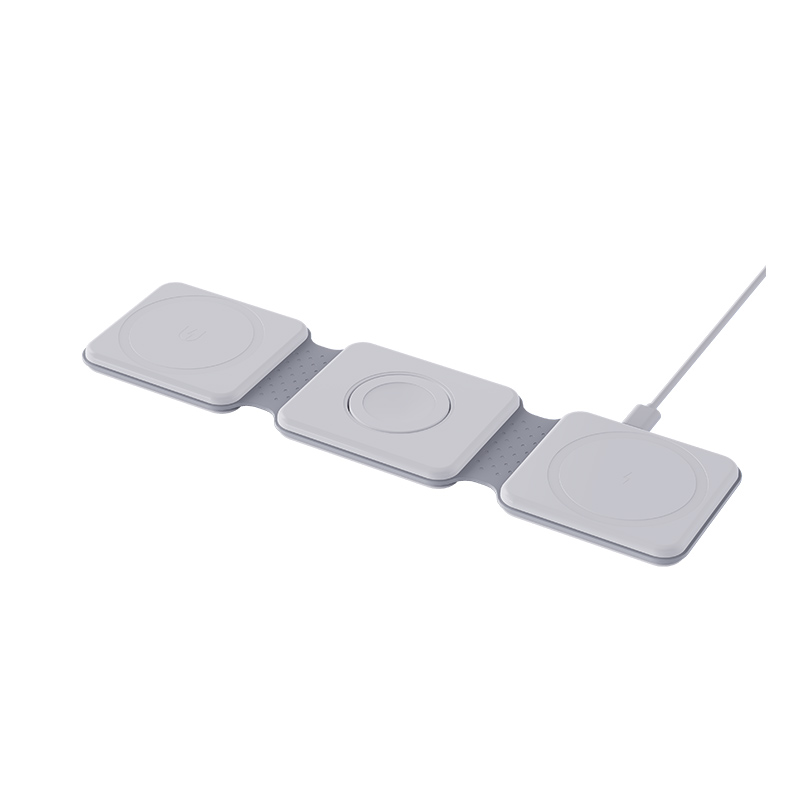
What to specify for each route
Four questions, and the answers differ by route.
Which alignment profile the product implements; which devices and cases are in the supported list; whether the branding used requires a licence or permission from the platform owner; and which certification the destination markets expect. Answering those four before the tooling is released is what prevents a product that works but cannot be described accurately on the box.
Where the commercial decisions sit
Three decisions, and two of them are about the channel.
The device list decides how much of the market the product serves and what the packaging may claim; the branding decides whether the product can use a platform name or must describe the specification instead; and the certification route decides which reports the brand holds and which markets they cover. None of the three is an engineering question, and all three affect the bill of materials or the timeline.
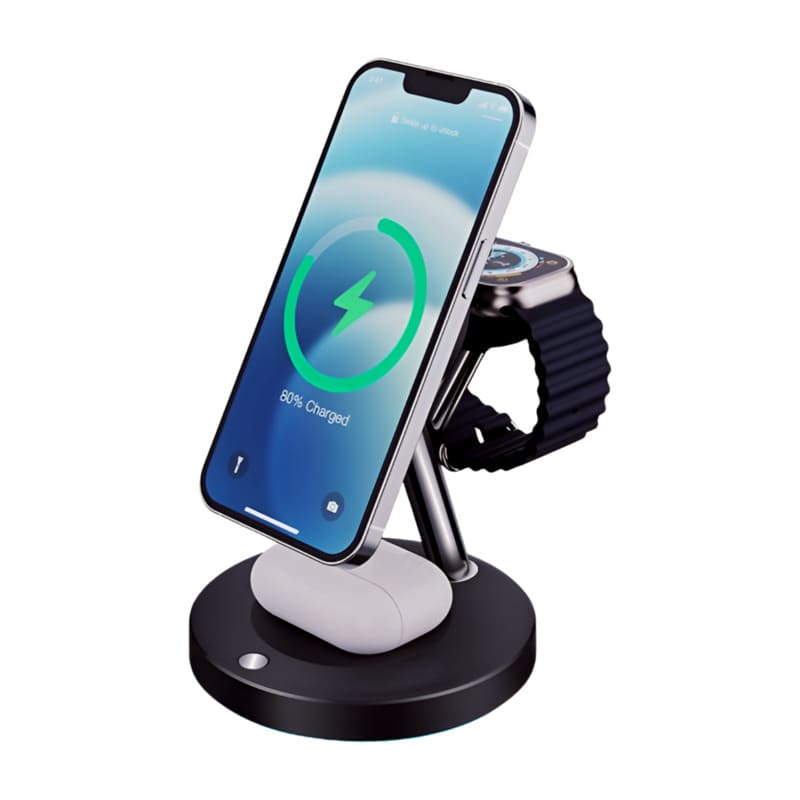
Choosing the route
Three questions that settle the direction.
Does the target device list include devices that rely on the specification rather than on one platform? Does the channel expect the platform’s own branding, or would a neutral description sell better? And does the programme have the volume to justify a magnet array designed for it rather than a platform that already exists? The answers usually point to one route clearly.
FAQ
Can a charger built to the specification be sold as compatible with the platform’s accessories?
Charging compatibility follows the profile the devices support. Using the platform’s own brand name is a separate matter with its own rules, so the packaging should describe the specification and the supported devices rather than borrowing a name. Describe the specification and the supported devices rather than borrowing a name, because compatibility follows the profile while the brand name is governed separately.
Does a magnetic charger need a magnetic case?
It needs a magnet ring on the receiving side for the position to be held. Without one the device can still charge where it supports the alignment profile, but the position is not fixed and the delivered power depends on where it is placed. Ask for the ring on the receiving side or in its case, because without one the position is not held and the delivered power follows placement.
What changes in the certification?
The alignment profile and the magnet arrangement are part of the tested configuration, so a product designed for magnetic alignment carries its own scope. Adding an array to a non-magnetic platform changes the configuration that was tested. Treat the alignment profile and the magnet arrangement as part of the tested configuration, because adding an array to a non-magnetic platform changes it.
Is one route cheaper?
A platform that already exists is faster and cheaper to bring to market; a purpose-designed array costs tooling and a test programme. The decision follows the volume and the differentiation the brand needs. Compare the two on the tooling and the test programme, because a platform that already exists is faster and cheaper to bring to market for most brands.
Next step
Send the device list, the channel and the target markets to Wecent Group through the contact page. The reply states which alignment profile the platform implements, the supported device and case list, the certification scope and the wording the packaging can carry. Related reading: wireless charger applications, charger quality control and OEM and ODM charger manufacturing. External references: Wireless Power Consortium, Wireless Power Consortium Qi standard, WPC knowledge base, USB Power Delivery specification, UL standards and certification and TUV testing services.
{“@context”:”https://schema.org”,”@type”:”FAQPage”,”mainEntity”:[{“@type”:”Question”,”name”:”Can a charger built to the specification be sold as compatible with the platform’s accessories?”,”acceptedAnswer”:{“@type”:”Answer”,”text”:”Charging compatibility follows the profile the devices support. Using the platform’s own brand name is a separate matter with its own rules, so the packaging should describe the specification and the supported devices rather than borrowing a name.”}},{“@type”:”Question”,”name”:”Does a magnetic charger need a magnetic case?”,”acceptedAnswer”:{“@type”:”Answer”,”text”:”It needs a magnet ring on the receiving side for the position to be held. Without one the device can still charge where it supports the alignment profile, but the position is not fixed and the delivered power depends on where it is placed.”}},{“@type”:”Question”,”name”:”What changes in the certification?”,”acceptedAnswer”:{“@type”:”Answer”,”text”:”The alignment profile and the magnet arrangement are part of the tested configuration, so a product designed for magnetic alignment carries its own scope. Adding an array to a non-magnetic platform changes the configuration that was tested.”}},{“@type”:”Question”,”name”:”Is one route cheaper?”,”acceptedAnswer”:{“@type”:”Answer”,”text”:”A platform that already exists is faster and cheaper to bring to market; a purpose-designed array costs tooling and a test programme. The decision follows the volume and the differentiation the brand needs.”}}]}