
Talk · Use · Business & shared deployment
What is a safe way to charge devices on a hospital or lab trolley?
In a clinical or lab setting, the facility's clinical engineering or safety team must approve the charging set-up, and consumer chargers are not automatically acceptable.
 Wecent Editorial Team
Updated
2 min read
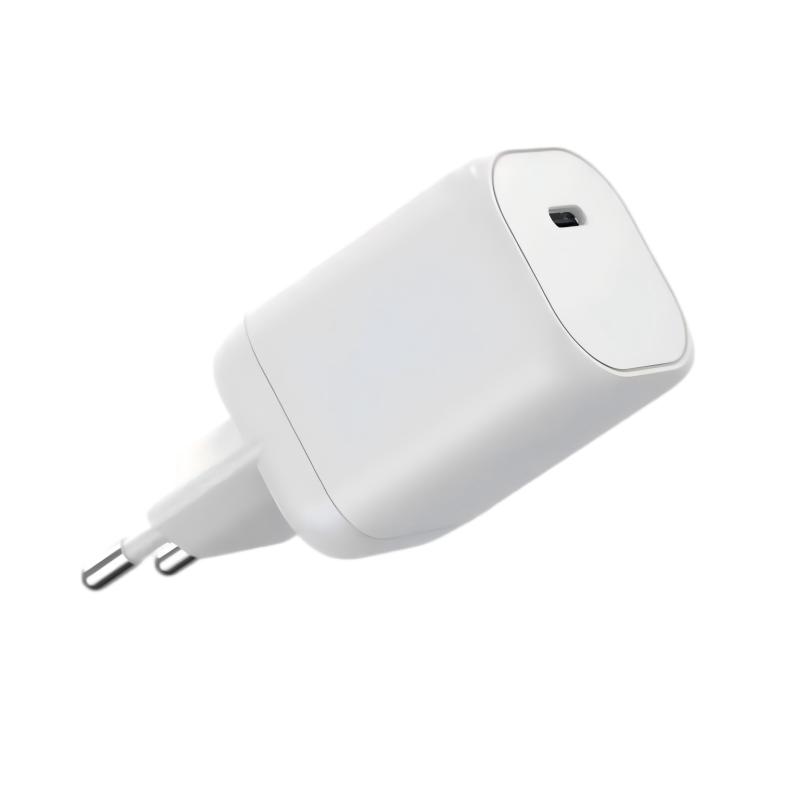
Our clinic wants to charge tablets and handheld scanners on a mobile trolley. A supplier suggests a standard multi-port USB charger. Is that acceptable?
Short answer: In a clinical or lab setting, the facility’s clinical engineering or safety team must approve the charging set-up, and consumer chargers are not automatically acceptable. Use an approved, fixed power source, keep cables short and tidy, choose cleanable surfaces and follow the facility’s infection-control and electrical policies. Do not improvise with ordinary extension leads.
Rules differ in healthcare
Healthcare and laboratory environments have their own electrical safety rules, cleaning routines and approval processes. Equipment used near patients may need specific approvals, and many facilities require that any new electrical device is checked and recorded before use. A general consumer charger is not automatically approved.
First step: ask the right people
Contact the clinical engineering or biomedical team, the infection-control lead and the facilities manager. Explain what will be charged, where the trolley will be used and how long it will stay plugged in. They will tell you what is allowed and what documentation they need.
Design considerations
- Fixed, protected power. Use a power source approved by the facility, mounted to the trolley, rather than loose extension leads.
- Matched chargers. Use the chargers supplied with the devices, or equivalents the facility has approved.
- Short, tidy cables. Route cables so they cannot snag, hang or be pulled when the trolley moves.
- Ventilation. Do not enclose chargers in a closed drawer unless the design allows it.
- Cleanability. Surfaces should tolerate the disinfectant used. Avoid fabric or textured finishes that trap contamination.
Operating practice
- Park the trolley at a designated charging point.
- Check cables and plugs at the start of each shift.
- Label chargers with their asset numbers and test dates if the facility requires it.
- Remove damaged chargers from service immediately and report them.
- Keep food, liquids and personal devices off the trolley.
What to avoid
- Domestic power strips and ad-hoc adapters.
- Charging in an area where oxygen or flammable materials are in use.
- Chargers without a clear rating label or markings.
- Personal power banks on the trolley.
Document the set-up
Keep the approvals, device list, charger models and test records together. If anything changes, repeat the approval. A tidy file makes audits straightforward.
Where this answer says to confirm with Wecent, the detail is not published on the product page and has to come from the datasheet or the factory. General facts come from the regulators, standards bodies or device makers named in the text.
Three more perspectives
Products discussed in this thread

Related articles & topics
Have a sourcing question about your own programme?
Ask our team More Business & shared deployment questions