
Talk · Use · Business & shared deployment
How should a rideshare or taxi fleet choose between wired and wireless charging in the cabin?
Wired charging is usually faster, cheaper and more compatible, but cables wear and get damaged.
 Wecent Editorial Team
Updated
2 min read
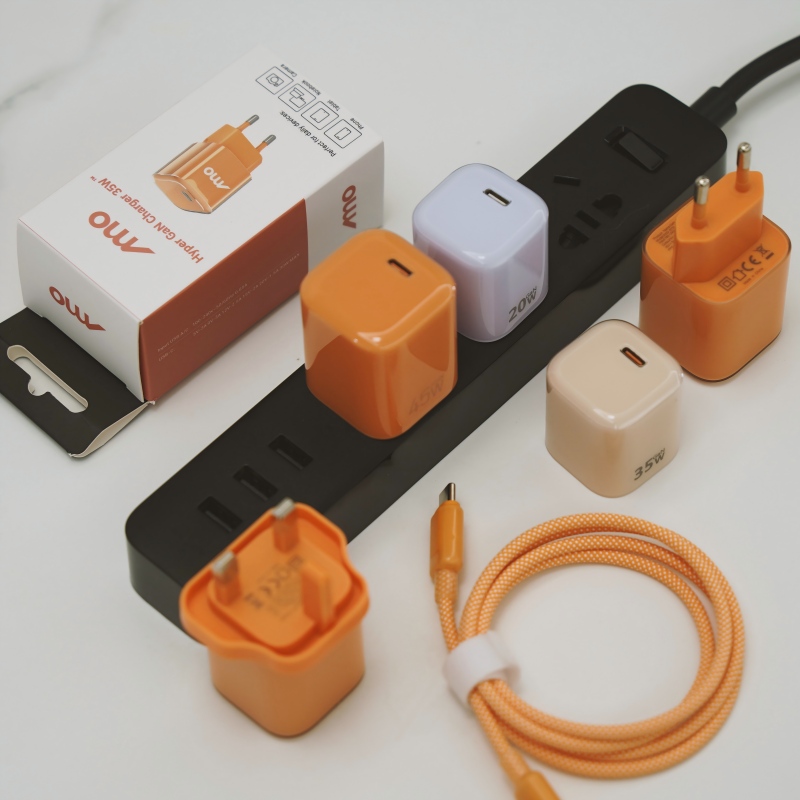
We run a small taxi and rideshare fleet and want to offer phone charging to passengers. Should we choose wired or wireless?
Short answer: Wired charging is usually faster, cheaper and more compatible, but cables wear and get damaged. Wireless is convenient and has no cable to break, but it is slower, depends on the phone and case, and heat is a concern. Many fleets offer USB ports with a few durable cables, and add wireless only if passengers ask for it. Pilot both in a few cars.
What a cabin needs
Passengers have different phones, short trips and little patience. The equipment must work immediately, survive abuse and be easy to clean.
Wired
- Pros: faster, cheaper, works with most phones, low heat.
- Cons: cables get pulled, bent, stolen or damaged; plug types differ between phones.
- Tip: offer a multi-tip cable or two ports with different connectors, and use cables with strain relief.
Wireless
- Pros: no cable to damage, easy to use if the phone is compatible.
- Cons: slower, phones must align, thick cases reduce charging, more heat in a closed car.
- Tip: position it where the phone stays put when the car moves.
Both in a car
Many fleets combine a couple of USB ports and a pad. It costs more and takes more space.
Choosing
- Ask drivers and passengers what they use most.
- Count cable replacements per car per month.
- Test heat in summer, with the sun on the dashboard.
- Check that fitting does not interfere with the car’s own electrical system and follow the vehicle manufacturer’s rules.
- Plan cleaning, since many hands touch the surface.
Cost view
Include replacement parts, fitting time and downtime, not just the unit price.
Pilot
Fit a few cars with each setup for a month. Track the number of faults, passenger comments and cost per car. Then decide for the whole fleet.
Safety
Use units with proper approvals and do not leave loose cables where they can distract the driver.
Quick summary
Start with durable wired ports, and test wireless in a few cars before adding it.
Example pilot results
After a month, a fleet might find that most passengers use the wired ports, a few cables were replaced and the wireless pad was used rarely and ran warm in summer. That would point to keeping the wired setup, adding a spare cable per car and leaving wireless out of the next order. Your own numbers will decide.
Where this answer says to confirm with Wecent, the detail is not published on the product page and has to come from the datasheet or the factory. General facts come from the regulators, standards bodies or device makers named in the text.
Three more perspectives
Products discussed in this thread
Related articles & topics
Have a sourcing question about your own programme?
Ask our team More Business & shared deployment questions