
Talk · Troubleshooting · Heat, noise & safety signs
Why do we hear a click or crackle when a charger is plugged in?
A single faint click or small spark at the moment of plugging in can be normal, because the charger's capacitors draw a burst of current when they meet live mains.
 Wecent Editorial Team
Updated
3 min read
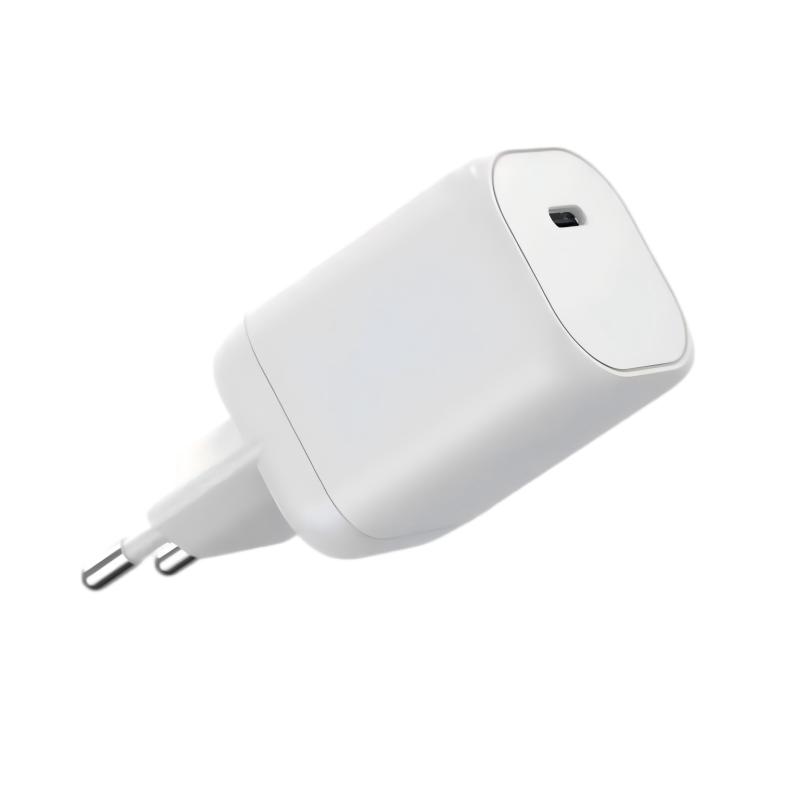
Some of our customers report a click or a small crackle when they plug in a wall charger. Is that normal, and when does it mean a fault?
Short answer: A single faint click or small spark at the moment of plugging in can be normal, because the charger’s capacitors draw a burst of current when they meet live mains. Repeated crackling, a sound that continues while charging, a burning smell or visible damage is not normal. Unplug the charger and stop using it if the noise persists.
What can be normal
When a charger is plugged into a live socket, its internal capacitors charge almost instantly. That burst can make a tiny spark at the blades and a brief sound. Some chargers also have a relay or a switching part that clicks once as they start. A single short noise at connection that never repeats is usually harmless.
Sounds that are not normal
- Crackling or sizzling while charging. This can be arcing inside the charger or at a loose connection.
- Repeated clicking. A charger that clicks on and off may be restarting because of a protection circuit, a poor cable or a failing part.
- A buzz that grows louder. Often a component under stress.
- Noise with a smell. A hot or burnt smell means unplug immediately.
Common causes of a bad noise
- A worn or loose socket that sparks as the blades move.
- A plug blade that is bent or dirty.
- A damaged cable with a broken conductor.
- A failing capacitor, transformer or solder joint inside the charger.
- Moisture or dust inside the housing.
What the user should do
- Unplug the charger and look for bent blades, scorch marks or a cracked case.
- Try a different socket, since a worn socket is a common cause.
- Try a different cable and device to see if the noise follows the cable.
- If the noise or smell continues, stop using the charger and replace it.
- Do not open the housing. Contact the seller.
What a brand should check
Ask the factory about its inrush design and the tests for plug-in behaviour. If many complaints mention the same noise, gather the date codes and compare with the production line and component lot.
Safety first
A charger that makes a persistent noise with a smell, heat or discolouration is a safety concern. Treat such reports quickly, record them and review whether they trigger a reporting duty in your market.
Where this answer says to confirm with Wecent, the detail is not published on the product page and has to come from the datasheet or the factory. General facts come from the regulators, standards bodies or device makers named in the text.
Three more perspectives
Products discussed in this thread


Related articles & topics
Have a sourcing question about your own programme?
Ask our team More Heat, noise & safety signs questions