
Talk · Troubleshooting · Charging speed & compatibility
Why does a laptop say ‘plugged in, not charging’ on a USB-C charger?
Usually it's the power budget: the charger, cable or port gives less than the laptop needs under load. Battery-care settings can show the same message.
 Wecent Editorial Team
Updated
3 min read
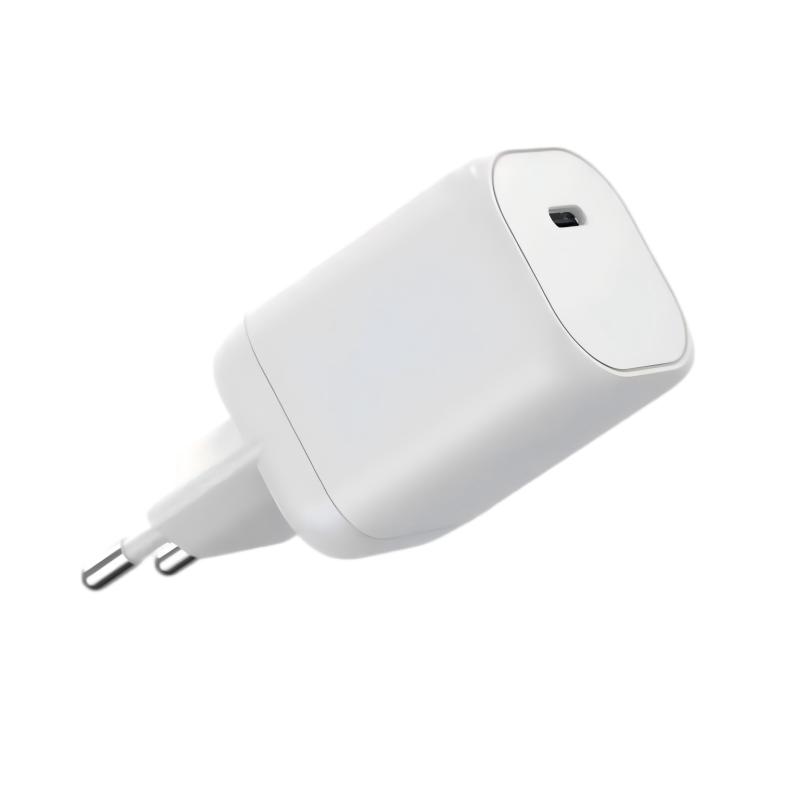
A customer says their Windows laptop shows ‘plugged in, not charging’ on our 65W charger, although the laptop’s own charger is also 65W. Another customer sees the same with a MacBook, but only sometimes. What is going on?
Short answer: The laptop is getting some power, enough to run, but not enough to charge, or it has chosen not to charge. Common causes are a 60W-limited cable, a shared multi-port budget, a laptop that wants more than the charger offers under heavy load, or battery-care settings that pause charging on purpose.
Check these in order
- Battery-care settings. Many laptops hold charge at a limit (for example 80%) to protect the battery, and show “not charging” while they do. On a Mac this is Optimised Battery Charging or a charge limit. On Windows laptops it is usually in the maker’s utility. Check this first, because the charger is fine in that case.
- The cable. A USB-C cable without an e-marker is limited to 3A, which caps a 20V connection at 60W. A 65W laptop on a 60W cable under load can end up running but not charging. Test with a 5A e-marked cable.
- Shared ports. On a multi-port charger, a phone on the second port can reduce what the laptop port offers. Unplug everything else and test again.
- The laptop’s needs. Some laptops want more than their nominal rating under gaming or heavy CPU loads, or only accept specific voltages. Check the laptop maker’s USB-C charging guidance.
- The port on the laptop. Some laptops only accept charging on certain USB-C ports, usually marked with a power or Thunderbolt symbol.
Why it happens “only sometimes”
Intermittent cases are usually load-related. During light use the laptop charges; under heavy load, the same power only covers consumption. Heat can also cause the laptop or charger to reduce power.
How to tell a charger fault
It points to a charger fault if, with a good 5A cable, nothing else connected and battery-care settings off, the laptop still won’t charge at light load and another known-good charger of the same wattage works. In that case, follow your return process with the batch code.
What to publish
A help article with these five checks resolves most cases without a return. On the listing, state that full laptop power needs a 5A (100W) USB-C cable. Also state which ports deliver full power, using the datasheet values, and confirm with Wecent for the exact model.
Where this answer says confirm with Wecent, the detail is not published on the product page and has to come from the datasheet or the factory. General facts come from the standards bodies, regulators or device makers named in the text.
Three more perspectives
Products discussed in this thread


Related articles & topics
Have a sourcing question about your own programme?
Ask our team More Charging speed & compatibility questions