
Talk · Maintenance · Stock, warehouse & retail handling
How often should a retained sample from each batch be re-tested?
There is no single rule.
 Wecent Editorial Team
Updated
2 min read
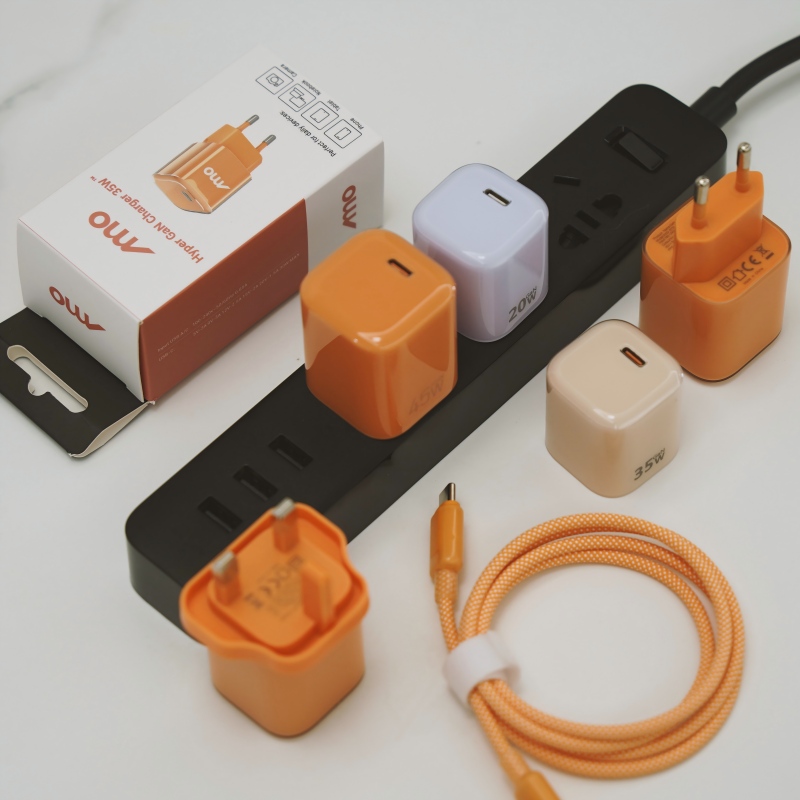
We keep a sample from each production batch. How often should we re-test them, and what should we test?
Short answer: There is no single rule. Re-test according to purpose and risk: a short check at the time of retention, a repeat at a fixed interval, such as every six or twelve months, and again whenever a complaint or a change comes up. Test the points that can age or drift, such as appearance, marking, plug fit and basic output, and keep the records.
Why keep retained samples
A retained sample is a reference. It shows what you shipped. If a customer complains later, you can compare the sample to the returned unit, check it against the specification and see whether the product or the use has changed.
What to record at retention
- Batch, date, model and revision.
- Photos of the product and label.
- Basic electrical results, such as output voltage and no-load behaviour.
- Storage place and conditions.
A sensible schedule
- At retention: a quick functional and visual check.
- Every 6 to 12 months: repeat a short list of checks, comparing to the first record.
- On a complaint: test the sample from the affected batch right away.
- After a change: compare samples before and after.
- At the end of the retention period: decide whether to keep or destroy.
What to test again
- Appearance: colour, yellowing, cracks.
- Marking: legibility and adhesion of the label.
- Fit: plug blades and cable strain relief.
- Basic output at light and full load.
- Temperature rise under a normal load.
Storage
Keep the samples in a cool, dry place away from sunlight, and in their original packing where possible. Label each clearly.
When results change
A sample that changes in storage may be showing a material problem, such as discolouring or label failure. Investigate the cause and check other units.
How long to keep them
Match the period to the product’s expected life and the warranty, and follow any legal or customer requirements.
Quick summary
Retain, record, re-test at set intervals and whenever problems appear.
Example procedure
Write a one-page procedure: who takes the sample, how many units, where they are stored, which five checks are repeated and who signs off the result. Keep photos of each sample with its date. A simple, consistent procedure that is actually followed is better than a long one that is skipped when people are busy.
Where this answer says to confirm with Wecent, the detail is not published on the product page and has to come from the datasheet or the factory. General facts come from the regulators, standards bodies or device makers named in the text.
Three more perspectives
Products discussed in this thread


Related articles & topics
Have a sourcing question about your own programme?
Ask our team More Stock, warehouse & retail handling questions