
Talk · Compliance · Test reports, labels & documents
What should a buyer’s compliance checklist ask for on each charger SKU for the US and Canada?
Ask for one file per SKU: the safety listing, radio-interference paperwork, energy-efficiency registration where it applies, battery transport tests, labels and a change record.
 Wecent Editorial Team
Updated
3 min read
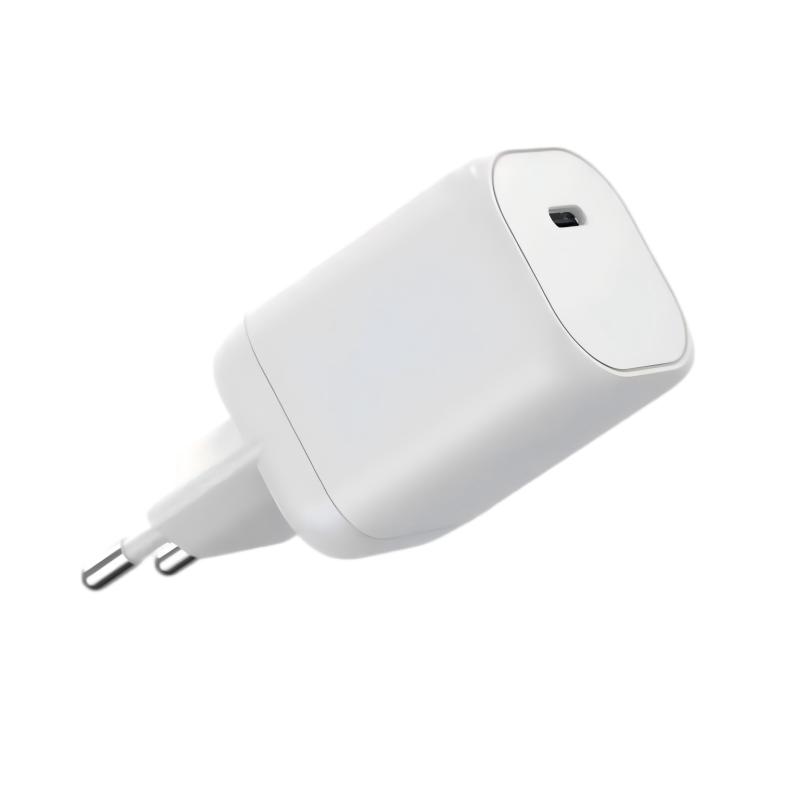
We import several charger models for the US and Canada and the supplier sends different documents for each. What should our compliance checklist ask for on every SKU?
Short answer: Ask for the same set of documents for every SKU, matched to the exact model number you sell: the safety listing from an accredited laboratory, the radio-interference paperwork, proof of energy-efficiency compliance where the product is covered, battery transport tests for anything with a battery, the labels as printed, and a record of changes. A missing item should block the order.
Why per SKU
Compliance attaches to a specific model and construction. A report for one colour or plug style may not cover another. Treat each SKU as its own file, and check that the model number on every document matches the one on the product and the box.
The checklist
- Safety listing. Evidence from a laboratory recognised for the US and Canada, such as a UL, ETL or CSA mark, with the listing or file number and the report. OSHA describes an NRTL as an independent laboratory it recognises to test and certify products to approved standards. Retailers and many customers expect one of these marks.
- Radio-interference paperwork. For the US, the FCC declaration or grant that applies to the product, with the test report. For Canada, the matching ISED documents where required. Products with wireless charging need more than a plain wired charger.
- Energy efficiency. The Department of Energy sets efficiency rules for covered external power supplies and battery chargers, and requires manufacturers to certify covered models. Ask the supplier whether each model is covered and for the evidence if it is.
- Battery transport tests. For power banks and other products with lithium batteries, ask for the UN 38.3 test summary and the Wh rating.
- Labels. A photo of the final label and the retail box for each SKU, showing the model, ratings and marks you rely on.
- California Proposition 65. Ask how the supplier assessed whether a warning is needed for the product and its cable.
- Importer details. The name and address that must appear on the product or packaging.
- Change record. A statement that production matches the tested sample, and a promise to tell you before changing parts, materials or suppliers.
How to review what arrives
- Check names, model numbers and dates across all documents.
- Check that the report covers the voltage and plug type you sell.
- Check that the laboratory is one you accept, and that the listing can be looked up.
Keep it simple
A one-page tracker with one row per SKU and one column per item is easier to maintain than folders of PDFs. Mark each cell as received, checked or missing. Rules change and not every item applies to every product, so confirm with a compliance adviser for your own range.
Sources checked on 24 Oct 2026: U.S. Department of Energy: External power supplies; OSHA: NRTL Program FAQ.
Where this answer says to confirm with Wecent, the detail is not published on the product page and has to come from the datasheet or the factory. General facts come from the regulators, standards bodies or device makers named in the text.
Three more perspectives
Products discussed in this thread

Related articles & topics
Have a sourcing question about your own programme?
Ask our team More Test reports, labels & documents questions