
Talk · Selection · Wireless, magnetic & multi-device
Do wireless chargers work with Samsung and Pixel phones as well as iPhones?
Most wireless chargers that follow the common Qi standard will charge phones from different makers, but speed and alignment can differ.
 Wecent Editorial Team
Updated
3 min read
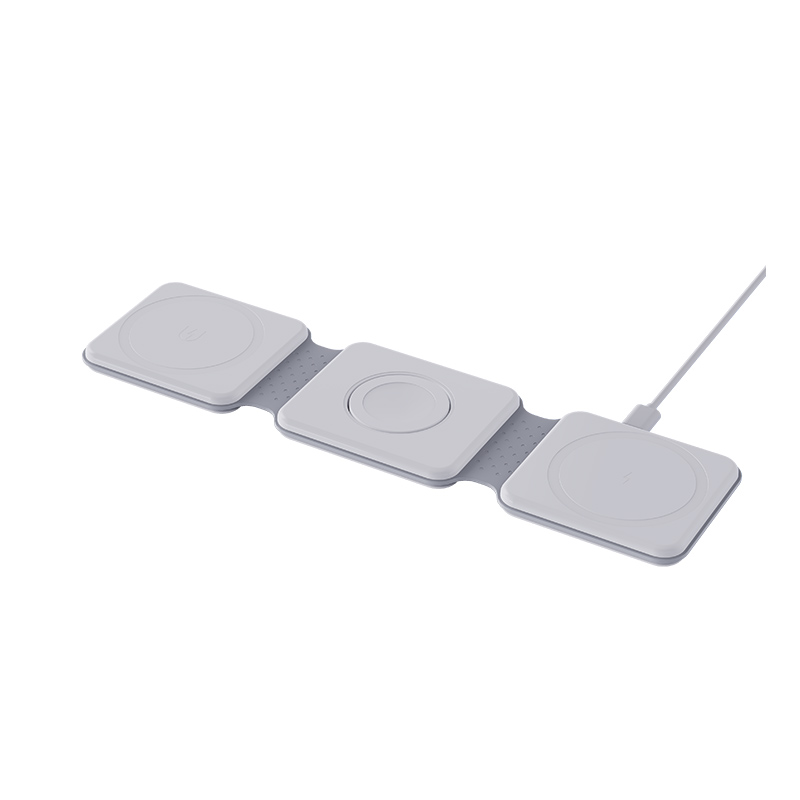
I use an Android phone and a friend uses an iPhone. Will one wireless charger work well for both?
Short answer: Most wireless chargers that follow the common Qi standard will charge phones from different makers, but speed and alignment can differ. Each phone sets its own maximum wireless power, and coil positions are different, so one pad may charge one phone faster than another. Check the phone’s specification and the charger’s stated support.
One standard, many phones
Most mainstream wireless chargers are built to work with phones that support the Qi standard. Many models from Samsung, Google and Apple include it. This means a pad can charge several brands.
Where differences appear
- Charging speed. Each phone accepts a maximum wireless power, which can be lower than the pad’s rating.
- Coil position. The charging coil sits in different places, so alignment varies.
- Cases. Thickness and materials affect each phone differently.
- Extra features. Some phones support reverse charging or special modes that depend on the phone and accessory.
- Heat. Different phones manage heat in different ways.
What to check before buying
- The phone’s maximum wireless charging power in its specifications.
- The charger’s stated compatibility and power.
- The power adapter needed, and whether it is included.
- Whether the pad has a wide charging area or a stand that suits both phones.
- Safety marks and, for the US, the radio markings.
Tips for sharing a charger
- Use a pad with a large coil area, or a stand that holds each phone near the coil.
- Centre the phone each time.
- Use thin cases.
- Accept that one phone may charge more slowly than the other.
For brands
Test with a spread of popular phones and publish a compatibility list with charging results. Avoid claiming ‘fast charging for all phones’.
Quick summary
Qi pads usually charge phones from different brands, but speed and alignment vary. Check the specifications and test with your own phone.
Before you buy a shared pad
Ask the seller for the list of phones that have been tested, check the return policy and test with both phones in the first week. If one phone does not charge well, look for a stand or a pad with a larger coil area. Keep the receipt until you are happy with both.
A note on claims
Be careful with words like ‘universal’ or ‘works with all phones’. Phone designs change every year, and a claim that is true for one generation may not be true for the next. A tested list with a date is more honest and more useful.
Where this answer says to confirm with Wecent, the detail is not published on the product page and has to come from the datasheet or the factory. General facts come from the regulators, standards bodies or device makers named in the text.
Three more perspectives
Products discussed in this thread
Related articles & topics
Have a sourcing question about your own programme?
Ask our team More Wireless, magnetic & multi-device questions