
Talk · Troubleshooting · Wireless & magnetic faults
Why doesn’t a Pixel phone charge well on our magnetic wireless charger?
Most Pixel phones support Qi but don't have built-in magnets, so they don't snap into place and can slip off-centre. Newer models may support Qi2. Check the phone's Qi support, alignment, cases and the charger's input power.
 Wecent Editorial Team
Updated
3 min read
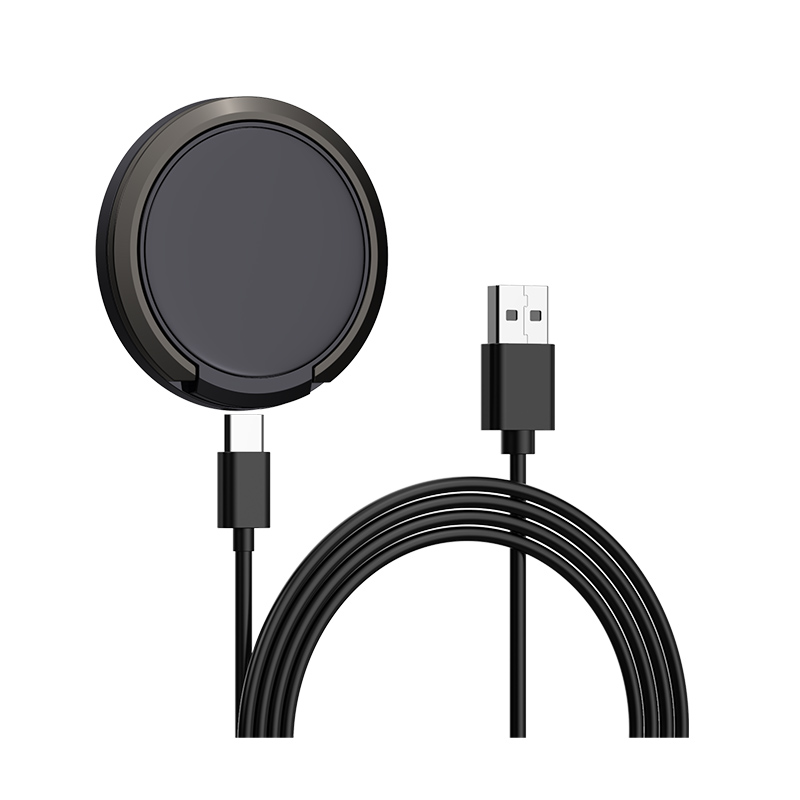
Customers with Google Pixel phones say our magnetic wireless charger doesn’t hold the phone or charges slowly. Why?
Short answer: Most Pixel phones support Qi wireless charging but, unless the model has built-in Qi2 magnets, they don’t snap onto a magnetic charger, so they can slide off-centre and charge slowly or stop. A magnetic case or ring helps alignment. Thick cases, the charger’s input power and heat also affect speed. Check Google’s support pages for each model’s wireless charging capability, and state clearly on listings which phones attach magnetically.
Qi support versus magnets
Wireless charging and magnetic attachment are separate features. A phone can support Qi charging without having magnets. Magnetic chargers designed around MagSafe or Qi2 rely on magnets in the phone to hold it in the right place. Without them, the phone may rest on the charger but sit slightly off the coil, which reduces efficiency or stops charging. Google publishes which Pixel models support wireless charging and, for newer models, which support Qi2; check the current page rather than assuming.
Alignment and orientation
On a vertical magnetic stand, a non-magnetic phone can slide down. On a flat puck, it may shift when touched. Customers can use a magnetic case or adhesive ring designed for this purpose, positioned over the phone’s charging coil. Results depend on accurate placement.
Cases and accessories
Thick cases, card wallets, metal plates or rings in the wrong place can block charging or trigger foreign object detection. Removing the case is a quick test.
Input power and heat
A weak adapter limits wireless output. Phones also reduce wireless charging speed when warm, which is common on stands in sunny places or under pillows. Speeds that vary through a session are usually thermal, not a fault.
Quick checks for staff
When a Pixel customer complains, staff can ask three things: does the phone snap onto the charger, is there a case, and what adapter powers the charger. Trying the phone on the charger without a case, held carefully centred, shows whether alignment is the issue.
Expected speed
Non-Apple phones on MagSafe-style chargers often charge at basic Qi speeds. If the charger is Qi2 certified and the phone supports Qi2, speeds can be higher. State realistic expectations on the listing.
Listing advice
Say “magnetic attachment works with iPhone models with MagSafe and Qi2 phones; other Qi phones need a magnetic case” or similar wording checked against the product’s specifications.
Confirm with Wecent the charger’s Qi/Qi2 status and input requirements.
Where this answer says confirm with Wecent, the detail is not published on the product page and has to come from the datasheet or the factory. General facts come from the standards bodies, regulators or device makers named in the text.
Three more perspectives
Products discussed in this thread
Related articles & topics
Have a sourcing question about your own programme?
Ask our team More Wireless & magnetic faults questions