
Talk · Selection · Wireless, magnetic & multi-device
Is wireless charging safe for the phone and the people nearby?
For normal use, yes.
 Wecent Editorial Team
Updated
3 min read
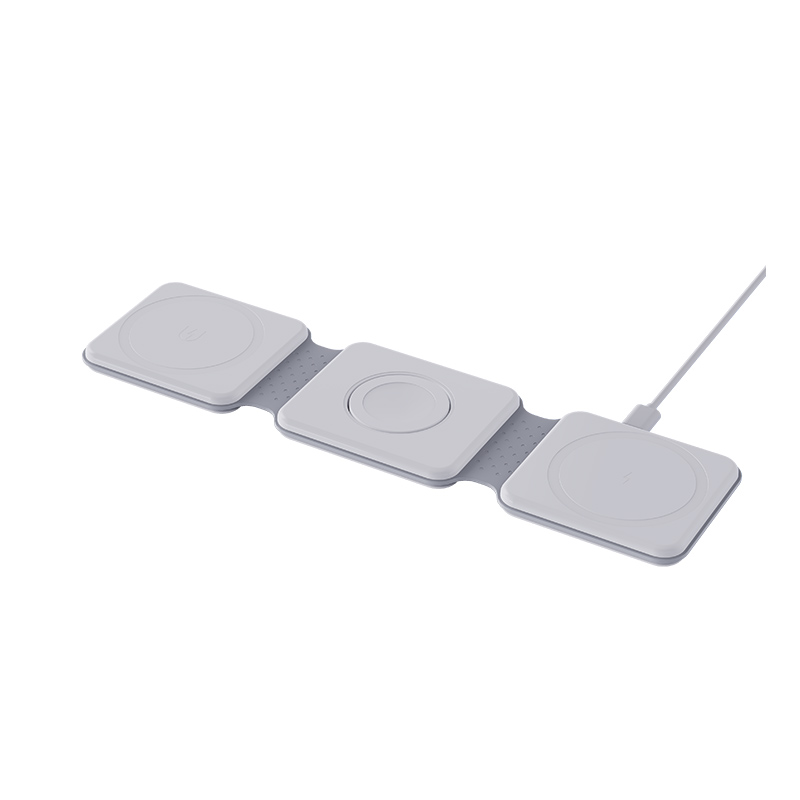
I use a wireless charger on my desk every day. Is it safe for my phone’s battery and for me sitting nearby?
Short answer: For normal use, yes. Certified wireless chargers are designed to meet safety and radio-exposure limits, and phones manage their own temperature. The main practical issues are heat and wasted energy, not radiation. Use a certified charger, keep the pad uncovered and free of metal objects and stop using any pad that gets very hot.
How it works
A wireless charger uses a coil to create a magnetic field that a coil in the phone picks up. The energy levels are low, and the field is strongest right at the pad and weakens quickly with distance.
Safety for people nearby
In the United States, radio-frequency devices must meet exposure limits set by the Federal Communications Commission. Wireless chargers that transmit are part of that authorisation system. A certified product that is used as intended sits within those limits. Check the product for its FCC and other safety marks.
Safety for the phone
- Heat. Wireless charging is less efficient than a cable, so more energy becomes heat. Phones monitor temperature and slow down or stop if needed.
- Battery wear. Heat is what ages a lithium battery faster. A warm phone on a pad every night may age somewhat faster than one on a cool cable, though the difference depends on the phone and conditions.
- Foreign objects. Metal items between phone and pad can heat up. Good chargers detect them, but do not rely on that.
Sensible habits
- Choose a charger from a reputable brand with visible certification marks.
- Keep the pad on a hard surface, uncovered.
- Remove cards, coins and metal from between the phone and the pad.
- Do not charge under pillows or in hot places.
- Replace chargers that overheat, buzz or are damaged.
- Use the phone’s optimised-charging option if it has one.
People with medical devices
If you use an implanted or worn medical device, ask your doctor or the device maker about wireless chargers and keep your distance as advised.
The balance
Wireless charging is convenient and widely used. For quick top-ups it is fine. For overnight charging, a cable is cooler and more efficient.
Quick summary
Wireless charging within certified equipment is considered safe for everyday use. The practical advice is simple: use a charger with proper marks, keep it cool and uncovered, and stop using anything that overheats.
Sources checked on 24 Oct 2026: FCC: Radio frequency safety.
Where this answer says to confirm with Wecent, the detail is not published on the product page and has to come from the datasheet or the factory. General facts come from the regulators, standards bodies or device makers named in the text.
Three more perspectives
Products discussed in this thread
Related articles & topics
Have a sourcing question about your own programme?
Ask our team More Wireless, magnetic & multi-device questions