
Talk · Troubleshooting · Heat, noise & safety signs
Why does my phone charger get hot, and when is it a problem?
A charger warming up under load is normal. Very hot, smelling, discoloured, buzzing loudly or physically damaged is not, and the right response is to stop using it.
 Wecent Editorial Team
Updated
3 min read
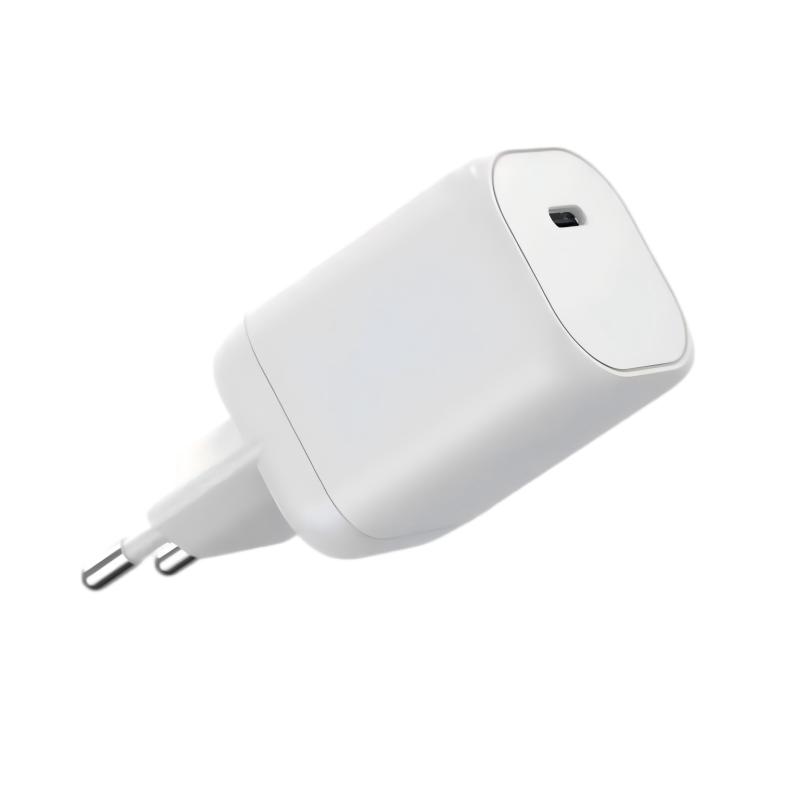
Customers say their charger feels hot to the touch and ask whether it is dangerous. Our team wants a clear answer that explains what is normal, lists the warning signs and tells people exactly what to do, without causing unnecessary alarm.
Short answer: Chargers lose a little energy as heat, so warm is normal, especially at higher wattage. It becomes a problem when the charger is too hot to hold, smells of burning, shows discolouration or melting, makes a loud buzz or crackle, or is damaged. In those cases, unplug it safely and stop using it.
Why chargers warm up
A charger converts mains power into low-voltage power, and no conversion is perfect. The lost energy becomes heat in the transformer, the switches and the rectifier. The higher the output, the more heat. A 65W or 100W charger at full load is warmer than a 20W charger. GaN designs reduce the loss, but they still warm up.
Normal warm
- Warm to the touch after a long charge, but comfortable to hold.
- Warmer when the phone is charging fast, and cooler once the phone is nearly full.
- A phone that is slightly warm while charging. Apple notes that an iPhone may get slightly warmer while charging and that software can limit charging above 80 percent if the battery gets too warm.
Warning signs
- Too hot to keep your hand on.
- A burning or electrical smell.
- Brown or black marks, a softened or warped case, or a loose, melted plug.
- Loud buzzing, crackling or clicking.
- A cable or connector that gets hot. Apple advises disconnecting a cable or connector that becomes warm in use and cleaning it with a soft, dry, lint-free cloth.
- Damage from a drop, liquid or a bent plug.
What to do
- Switch off the socket if you can, or unplug the charger by the body, not the cable.
- Let it cool before touching it.
- Stop using it, and do not try to repair it.
- Contact the seller. A good supplier will ask for photos and the batch code.
Common causes of extra heat
- A charger covered by a blanket, pillow or furniture.
- A loose or worn socket that makes poor contact.
- A charger used well beyond its rating.
- Very hot rooms or direct sun.
What a well-made charger should do
A well-designed charger has protection against over-temperature, over-current and over-voltage, and reduces its output rather than overheating. See our guide on charger safety design for what these protections look like.
Sources checked on 24 Oct 2026: Apple Support: How to wirelessly charge your iPhone; Apple Support: Important handling information for iPhone.
Where this answer says to confirm with Wecent, the detail is not published on the product page and has to come from the datasheet or the factory. General facts come from the regulators, standards bodies or device makers named in the text.
Three more perspectives
Products discussed in this thread


Related articles & topics
Have a sourcing question about your own programme?
Ask our team More Heat, noise & safety signs questions