
Talk · Troubleshooting · Factory & QC failure analysis
What should we do when a returned charger shows no fault?
No-fault-found returns are common. Test under the customer's conditions, ask about their device, cable and power source, record the result, and look for patterns before deciding the charger is fine.
 Wecent Editorial Team
Updated
2 min read
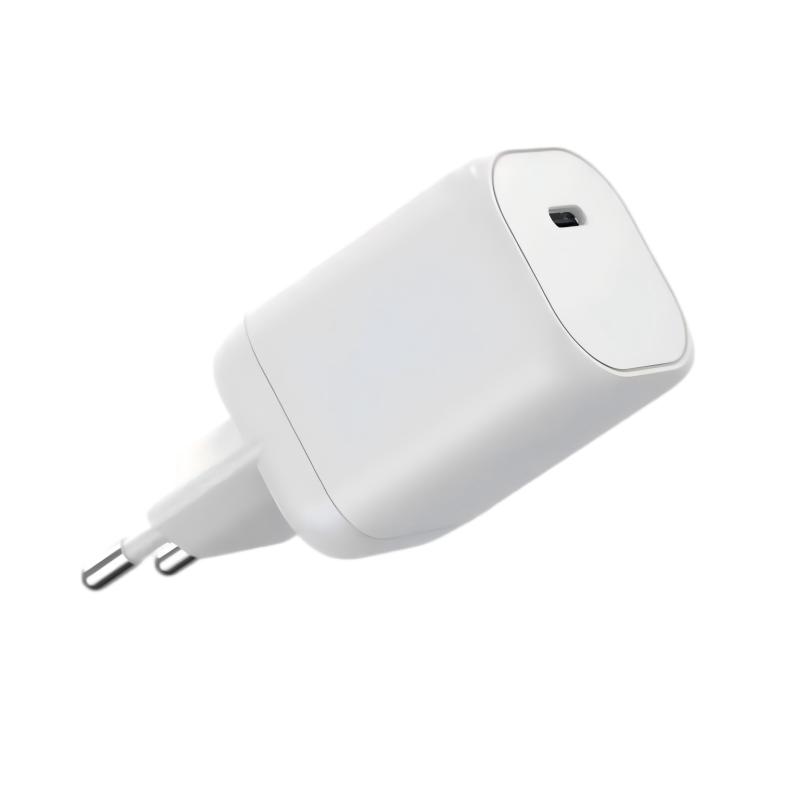
Many returned chargers work perfectly when we test them. How should we handle these no-fault-found returns?
Short answer: Treat ‘no fault found’ as ‘not yet explained’. Retest with conditions close to the customer’s: their device type, a similar cable, full load and a longer run, since some faults appear only when warm. Ask what the customer saw. Often the cause is a cable, a device setting or an incompatible device. Record each case, because a pattern across one model or batch can reveal a real issue that single tests miss.
Why chargers come back working
Many complaints come from the setup rather than the charger. A worn cable, a laptop that needs more power than the charger offers, a phone with a damaged port, or a slow-charging mode set on the device all look like charger faults to a customer. Some faults are also intermittent, appearing only when the unit is warm or when one particular device is connected.
Retest the way the customer used it
A quick test with a short cable and a load meter may pass a charger that fails in real use. Where possible, test with the same type of device the customer used, a similar cable, all ports loaded if they used them together, and run long enough for the unit to warm up. Try the charger at the customer’s mains voltage if you can.
Ask better questions at intake
A short form helps: which device, which cable, which port, what happened, and when. “Stops after twenty minutes” points to a different cause than “never works with my laptop”. Customers’ answers often solve the case without any lab work.
Decide the outcome fairly
Returning a working charger with a polite explanation and tips, such as trying another cable, is reasonable. Some sellers simply replace low-cost items to keep customers happy, which is a business choice. Either way, mark the unit so it isn’t resold as new without inspection.
Keep records and look for patterns
Log the model, batch code, symptom and test result for every no-fault case. If one model shows many similar complaints, the problem may be real but hard to reproduce, for example compatibility with a popular new phone. Share the pattern with the supplier along with sample units.
Confirm with Wecent how no-fault-found units are handled under your warranty and return terms.
Where this answer says confirm with Wecent, the detail is not published on the product page and has to come from the datasheet or the factory. General facts come from the standards bodies, regulators or device makers named in the text.
Three more perspectives
Products discussed in this thread

Related articles & topics
Have a sourcing question about your own programme?
Ask our team More Factory & QC failure analysis questions