
The gate that catches most defects is usually the one with the least inspection in it. Incoming verification and final inspection are easy to count and easy to report; the in-process gate is where the defect is actually prevented, and it is the one most often reduced to a signature on a sheet.
IQC, IPQC and OQC: what each gate is for
Each gate answers a different question. Three gates, three different jobs: incoming verification of what the design depends on, in-process control of what production can vary, and outgoing protection of the shipment.
The gates are complementary rather than redundant. A defect caught at incoming never reaches the line; a defect prevented in process never reaches final inspection; and the final gate is the last chance before the unit is packed, not a substitute for the other two.
Where the three are compared as inspection volumes, the wrong conclusion follows: the aim is not to spread sampling evenly but to put the effort where a defect can still be stopped cheaply.
IQC: incoming verification of what the design depends on
Incoming is where substitutions are caught before they become batches.
The parts that matter are the ones the design assumes: the switching devices, the magnetic components, the capacitors, the connector and the safety-critical parts such as the fuse and the mains-side isolation components. Verification is a measurement against the approved list with a lot record, not a check that the bag carries the right label. A substitution found here costs a note; the same substitution found in the field costs a containment.
IPQC: the gate that prevents rather than detects
In-process control is about the parameters that change during a production run.
First-article checks after a changeover, torque and fit verification at assembly, coil or connector position where it applies, and the in-line functional test with its limits and stored values. Because these run during production, they can stop a drift before a lot is complete, which is why this gate carries the largest share of the effort even when its inspection count is smaller than the final one.
OQC: the gate that protects the shipment
Outgoing inspection protects the buyer from what the first two gates did not catch.
It verifies the packed product: the marking, the accessory set, the carton and the language version against the packaging proof, plus the electrical result of the finished unit. Its sampling can be modest where incoming and in-process are healthy, and it is the gate most likely to be treated as the whole quality system, which is a distortion rather than a strategy.
| Gate | What it catches | Coverage | Record | Where it fails |
|---|---|---|---|---|
| IQC | Substituted or out-of-spec components | Per lot of critical parts | Measured value against the approved list | Checking labels instead of parts |
| IPQC | Process drift, position and fit errors | Per shift, changeover and unit | First-article and in-line test results | Reduced to a signature |
| OQC | Marking, packing and finished-unit faults | Defined sample, plus 100% where required | Packed-unit inspection result | Treated as the whole system |

Splitting the effort between the three gates
Put the effort where the defect can still be stopped cheaply.
A practical split on a charger programme is a measured incoming check on the critical components per lot, a first-article check at every changeover plus an in-line functional test on every unit, and a packed-unit inspection on a defined sample that increases when a defect has escaped. The proportions matter less than the principle: the earlier the gate, the cheaper the correction, and the more it depends on measurement rather than on appearance.
Handling a defect that escapes a gate
An escaped defect is information about the gate, not only about the unit.
When a defect reaches the customer, the response covers the containment of the affected lot and of the same lot in production, the cause, and the reason the gate that should have caught it did not. That last question is what improves the process: a limit that was never checked, a sample drawn at the wrong point, or a check that had become a signature. Each has a different fix, and only the third is a discipline problem.
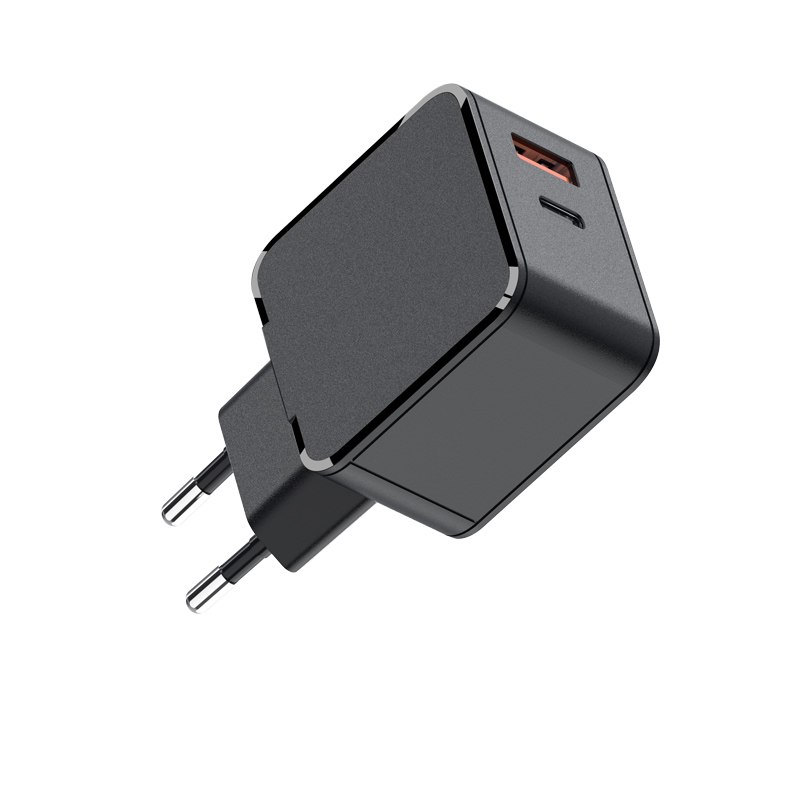
The record pack across the three gates
Three records, one per gate, and they reference the same lot.
The incoming record identifies the component lots and the measurements; the in-process record carries the first-article checks and the in-line results against the limits; the outgoing record describes the packed unit inspected and the result. All three reference the same production lot, which is what allows a complaint to be traced to a component, a station and a shift rather than to a shipment number.
FAQ
Which gate should carry the most inspection?
In-process, because a defect stopped there has not been paid for yet. Incoming verification remains essential for the parts the design depends on, and outgoing inspection is a final protection rather than a substitute for either. In-process carries the most inspection because a defect stopped there has not been paid for yet, while outgoing inspection is a final protection rather than a substitute.
Do small programmes need all three gates?
The three functions exist in any production run, even where one person performs them. Writing them down as three records with three sets of limits is what keeps the distinction, and it costs a page rather than a department. Write them down as three records with three sets of limits, because the functions exist in any run even where one person performs them, and the record costs a page.
How do we know a gate is working?
By what it finds. A gate that never finds anything is either perfectly controlled or not measuring; the record of values against limits shows which. Trend data from the in-process gate usually gives the clearest answer. A gate that never finds anything is either perfectly controlled or not measuring, and the record of values against limits shows which of the two it is.
What should a defect record contain?
The lot and the units affected, the gate that should have caught the defect, the measured value against the limit, the cause, the containment and the change that prevents recurrence with a verification date. Record the lot and the units affected, the gate that should have caught it, the measured value against the limit, the cause, the containment and the change with its verification date.
Next step
Send the product, the critical component list and the channel requirements to Wecent Group through the contact page. The reply sets out what each of the three gates checks for the product, its coverage and the record it produces. Related reading: our charger factory, OEM and ODM charger manufacturing and charger manufacturing services. External references: IEC standards, IEC Webstore, UL standards and certification, TUV testing services, Intertek testing services and IQNet certification network.
{“@context”:”https://schema.org”,”@type”:”FAQPage”,”mainEntity”:[{“@type”:”Question”,”name”:”Which gate should carry the most inspection?”,”acceptedAnswer”:{“@type”:”Answer”,”text”:”In-process, because a defect stopped there has not been paid for yet. Incoming verification remains essential for the parts the design depends on, and outgoing inspection is a final protection rather than a substitute for either.”}},{“@type”:”Question”,”name”:”Do small programmes need all three gates?”,”acceptedAnswer”:{“@type”:”Answer”,”text”:”The three functions exist in any production run, even where one person performs them. Writing them down as three records with three sets of limits is what keeps the distinction, and it costs a page rather than a department.”}},{“@type”:”Question”,”name”:”How do we know a gate is working?”,”acceptedAnswer”:{“@type”:”Answer”,”text”:”By what it finds. A gate that never finds anything is either perfectly controlled or not measuring; the record of values against limits shows which. Trend data from the in-process gate usually gives the clearest answer.”}},{“@type”:”Question”,”name”:”What should a defect record contain?”,”acceptedAnswer”:{“@type”:”Answer”,”text”:”The lot and the units affected, the gate that should have caught the defect, the measured value against the limit, the cause, the containment and the change that prevents recurrence with a verification date.”}}]}