
Talk · Troubleshooting · Factory & QC failure analysis
Why does output ripple exceed the limit on a batch?
Ripple is the small fluctuation left on the DC output.
 Wecent Editorial Team
Updated
3 min read
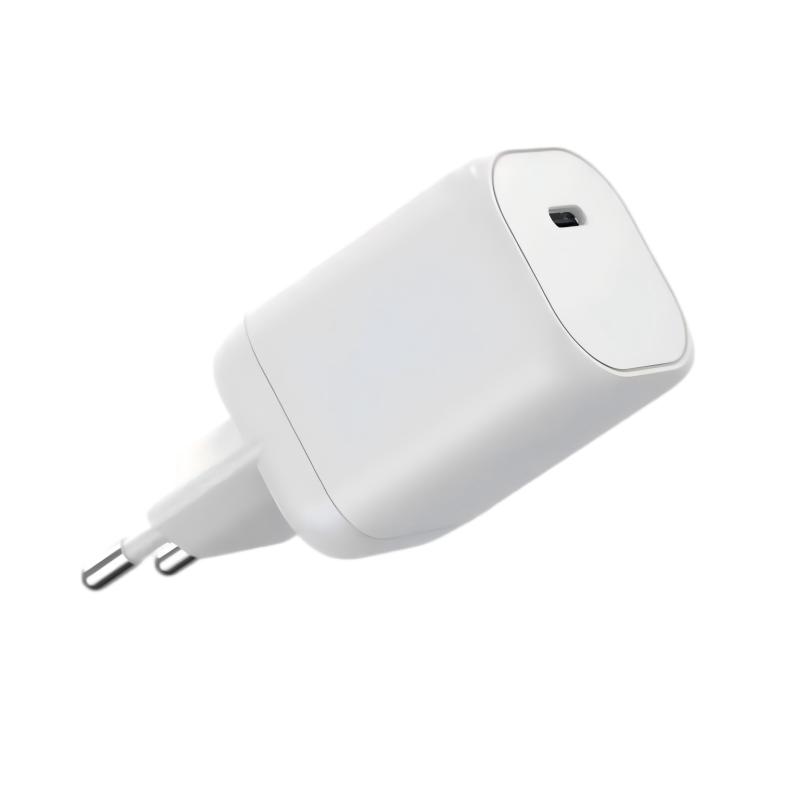
Most of our chargers meet the ripple spec, but one batch is above the limit. What usually explains this, and what do we check?
Short answer: Ripple is the small fluctuation left on the DC output. A batch goes over the limit when the output capacitors are weaker than expected, other components shift, the layout or assembly differs or the test method changed. Compare good and bad units, check capacitor brand and lot and repeat the measurement with the same method before you decide.
What ripple is
A charger turns mains power into smooth DC, but a small variation remains on the output, at the switching frequency and at the mains frequency. Too much ripple can cause noise, heat or odd behaviour in connected devices.
Common causes in one batch
- Output capacitor differences. A different brand, lot or lower-quality part with higher equivalent resistance.
- Capacitor ageing or damage. Heat during soldering or storage.
- Tolerance stack. Several small shifts add up.
- Transformer or switch variation. Changes in the converter’s behaviour.
- Assembly issues. Poor solder joints or board contamination.
- Test conditions. Different load, cable, probe technique or bandwidth.
- Temperature. Cold or hot conditions change capacitor performance.
How to investigate
- Re-measure good and bad units with the same set-up and settings.
- Use short probe leads and the specified bandwidth limit.
- Check the load level and the cable used.
- Compare capacitor markings and batch codes.
- Swap capacitors between a good and a bad unit.
- Measure at different temperatures.
Fixes
- Specify the capacitor brand, series and rating, and ban substitutions.
- Add margin in the design, such as extra capacitance or lower-resistance parts.
- Improve layout near the output.
- Add incoming checks on capacitor lots.
Measurement matters
A method that is not standardised produces confusing results. Write down the probe type, bandwidth, load, cable and temperature in the test procedure.
Records
Record ripple data per batch. A slow drift upward is a warning before a failure.
Quick summary
Check capacitors and the method first, compare units and tighten both the spec and the design margin.
Example record
Batch number, sample size, measured ripple at stated load, capacitor lot, probe type, bandwidth limit, ambient temperature and result. One page per batch makes it easy to compare lots and to see whether the problem is a one-off or a trend. Share it with the factory when you raise a corrective action request.
Check for early warnings
If ripple creeps up over several batches, ask the factory what changed. Often a supplier change or a process shift is behind a slow drift, and catching it early costs far less than rejecting a whole batch.
Where this answer says to confirm with Wecent, the detail is not published on the product page and has to come from the datasheet or the factory. General facts come from the regulators, standards bodies or device makers named in the text.
Three more perspectives
Products discussed in this thread


Related articles & topics
Have a sourcing question about your own programme?
Ask our team More Factory & QC failure analysis questions