
Talk · Troubleshooting · Factory & QC failure analysis
Why do plug blades come out of spec on length or spacing in some lots?
Common causes are tooling wear, a moulding process that moves the blades, inconsistent blade material or bending, and a change of supplier or lot.
 Wecent Editorial Team
Updated
3 min read
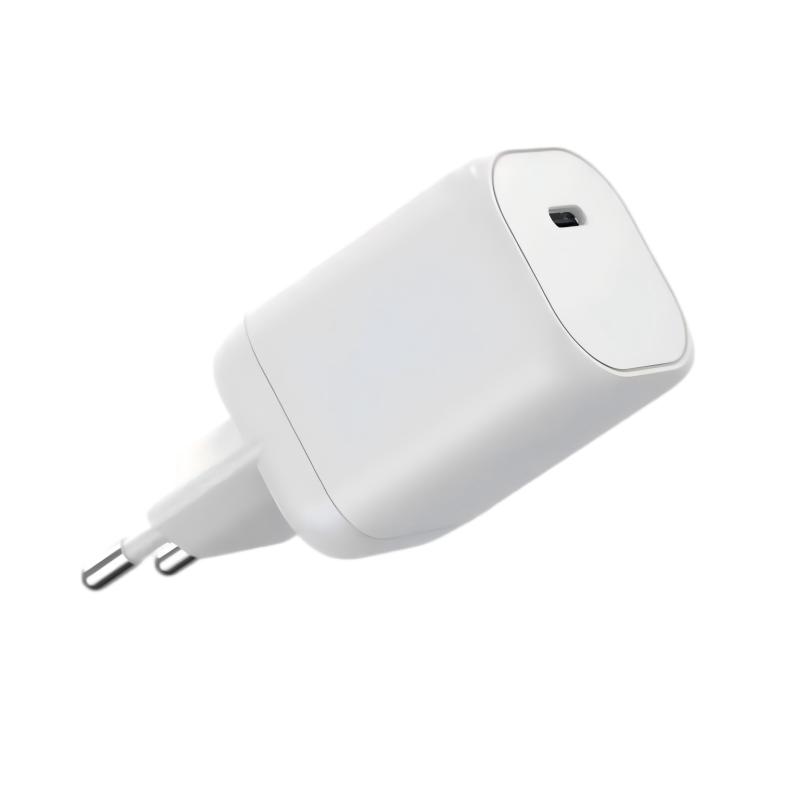
Plug blades from some lots are out of spec on length or spacing. What causes this, and how do we control it?
Short answer: Common causes are tooling wear, a moulding process that moves the blades, inconsistent blade material or bending, and a change of supplier or lot. Control it with dimension checks using go/no-go gauges on every lot, regular tooling checks, process settings that are locked, and traceability to the blade supplier and mould cavity.
Why blades matter
Plug blades must fit sockets properly. If the length or spacing is wrong, the plug may not seat, may loosen, may make poor contact and heat up, or may not meet the requirements of the safety standard.
Typical causes
- Blade manufacturing. Stamped or bent blades vary if the tool wears or the strip material changes.
- Material. Different hardness or thickness changes the spring back after bending.
- Insert moulding. During moulding, injection pressure can push the blades out of position.
- Mould wear. Pins and cavities that hold the blades wear over time.
- Multi-cavity differences. One cavity may differ from another.
- Assembly. Blades pressed into place may not seat fully.
- Handling. Bent in transport or in loading.
- Supplier or process changes between lots.
Dimension checks
Plug dimensions for the US and Canada are set in standards. Use gauges and drawings from the applicable standard and your own tolerances. Check: – Blade length, width and thickness. – Spacing between blades, and the position relative to the plug face. – Blade parallelism and straightness. – Pull-out force of the blades.
Controls
- Incoming inspection of blades, by lot, against the drawing.
- First-article inspection at the start of each run.
- Go/no-go gauges at the line, for each shift.
- Statistical process control, sampling regularly and recording the results.
- Tooling maintenance schedule, with wear checks.
- Locked process settings for moulding.
- Cavity identification so that you can trace issues to a cavity.
- Supplier approval and notice of any change.
- Final fit test with a socket gauge or a sample of real sockets.
When a lot fails
Quarantine it, sort or reject, find the cause and fix it. Check whether earlier lots from the same tooling are affected.
Why it matters for safety
Poor blade fit can cause heating at the socket and can fail the plug tests in the safety standard.
Quick summary
Control the blade, the tooling and the moulding, check every lot with gauges and trace the cause.
Where this answer says to confirm with Wecent, the detail is not published on the product page and has to come from the datasheet or the factory. General facts come from the regulators, standards bodies or device makers named in the text.
Three more perspectives
Products discussed in this thread


Related articles & topics
Have a sourcing question about your own programme?
Ask our team More Factory & QC failure analysis questions