
Talk · Maintenance · Care, cleaning & lifecycle
How should travellers and teams look after interchangeable plug heads?
Keep heads clean, dry and stored with the charger. Click them in fully, remove them by the head, not the cable, and retire any head that wobbles or is damaged.
 Wecent Editorial Team
Updated
3 min read
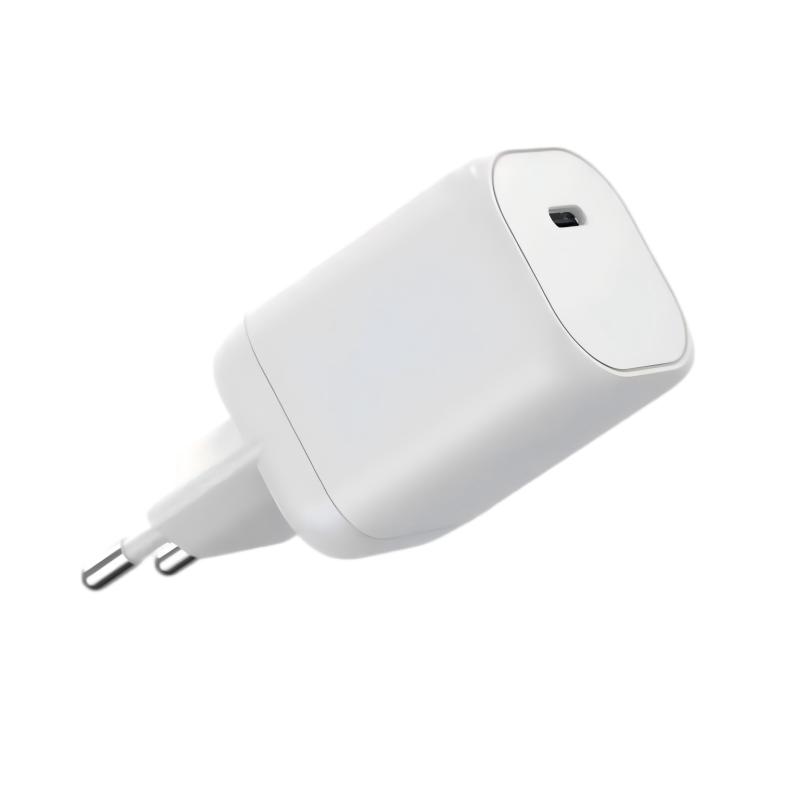
Our travel chargers come with EU, UK, US and AUS heads. Customers lose heads and some say heads become loose. How should they look after them, and what should we tell support?
Short answer: Keep the heads in a pouch with the charger, click each head in until it locks, and remove it with the release mechanism, not by pulling the cable. Keep heads dry and clean. Retire a head that is cracked, has bent pins or wobbles when locked.
Daily care
- Attach: slide or press the head in until it clicks. A partly fitted head may work loosely and cause heat.
- Remove: use the release button or slide as designed, never by twisting.
- Unplug from the wall by holding the body or head, not the cable.
- Store the heads in a small pouch with the charger.
- Keep dry: don’t use heads that got wet until fully dry; better, replace them.
Inspection
- Pins straight and firm, no discoloration.
- Head locks firmly with no wobble.
- No cracks around the pins or latch.
- Contacts between head and body clean and undamaged.
When to retire a head
Retire it if it doesn’t lock, wobbles, has damaged pins or shows heat marks. A loose head can cause poor contact and heating. Replace it with an original head for the same model, not a similar-looking one from another brand.
Travel tips
Before a trip, check which head the destination needs and fit it at home. Keep the other heads in the pouch, not loose in a bag, where pins can bend or scratch other items.
Spare heads
Ask Wecent whether spare heads are available per model and whether they are covered by the test reports. A head that wasn’t assessed with the charger should not be sold as compatible.
What to tell support
- Ask which head is affected and for a photo of the head and the charger’s contact area.
- Ask whether the head clicks in and whether it wobbles.
- For a lost head, offer an original spare rather than recommending a third-party adapter.
Cleaning
Unplug the charger first. Wipe heads with a dry cloth; don’t use liquids or spray cleaner. Remove dust or lint from the contact area between head and body with a dry soft brush. Never insert metal objects into the contacts.
Teams and pools
For pooled travel chargers, count heads on return and check them in the same routine as the charger. Missing heads are the most common pool loss.
Where this answer says confirm with Wecent, the detail is not published on the product page and has to come from the datasheet or the factory. General facts come from the standards bodies, regulators or device makers named in the text.
Three more perspectives
Products discussed in this thread

Related articles & topics
Have a sourcing question about your own programme?
Ask our team More Care, cleaning & lifecycle questions