
Talk · Troubleshooting · Factory & QC failure analysis
Why do two lots of the same shell differ in colour?
Colour differences between lots come from the plastic resin batch, the amount and type of colour concentrate, the temperature and time in the mould, the share of reground material and even the lighting used to judge it.
 Wecent Editorial Team
Updated
3 min read
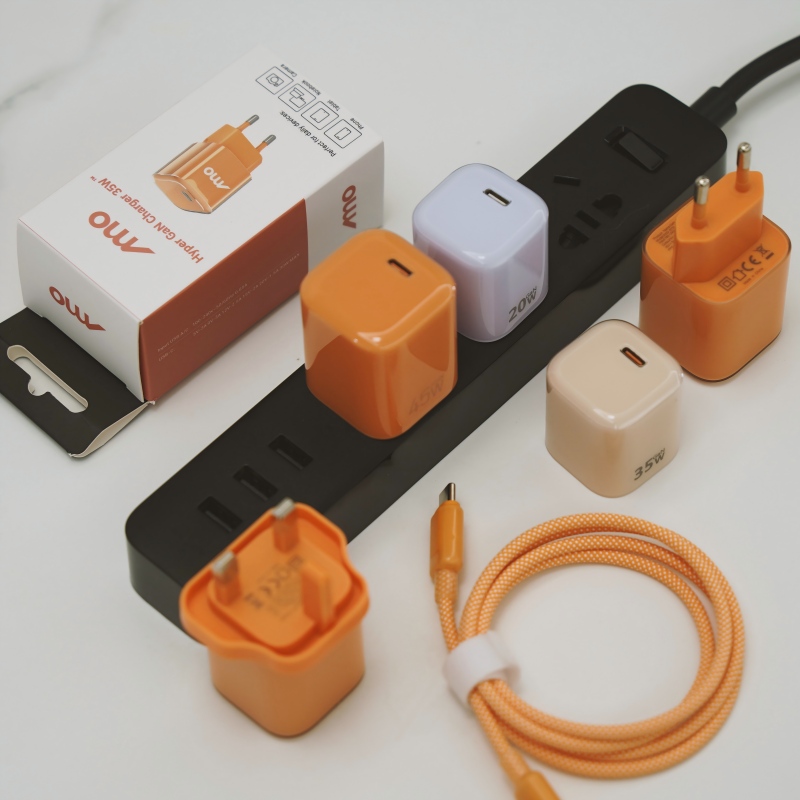
We ordered the same white charger shell twice, and the second lot looks slightly yellow next to the first. What causes this, and how do we control it?
Short answer: Colour differences between lots come from the plastic resin batch, the amount and type of colour concentrate, the temperature and time in the mould, the share of reground material and even the lighting used to judge it. Control it with a master sample, a measured colour tolerance and a check on every lot under standard light.
Why lots differ
Plastic is coloured by mixing resin with a small amount of colour concentrate called masterbatch. Any change in either, or in how the mixture is processed, shifts the final colour. White and light colours show the differences most.
Common causes
- Resin batch. Natural resin varies slightly from batch to batch, and some turn yellow after heat.
- Masterbatch ratio. A small change in dosing changes the shade.
- Masterbatch supplier. A different supplier or recipe gives a different result.
- Moulding temperature and dwell time. Heat can yellow plastic, especially if the material stays too long in the barrel.
- Regrind. Adding reground sprues and rejects changes colour and sometimes strength.
- Moisture. Poorly dried material affects colour and surface.
- Mould surface. Polish and texture change how colour looks.
- Lighting. A shell can look different under daylight, store light and office light.
How to control it
- Approve a master sample, and keep one at the factory and one with you.
- Set a colour tolerance using a measuring instrument, not only the eye.
- Check each lot under the same standard light box.
- Fix the resin grade, masterbatch code and supplier in the specification.
- Limit or ban regrind for visible parts.
- Record the process settings for the approved run.
What to do when lots differ
Photograph both lots next to the master sample, measure the difference and ask the factory for a cause. Decide whether the difference is within tolerance. Consider sorting, selling lots in separate batches or rework only if it is not.
Keep related parts matched
Shells, cables and packaging printed or moulded at different times can mismatch. Check them together in a single light box.
Quick summary
Use a master sample, measured tolerance, fixed materials and a standard light check on every lot.
Example tolerance wording
“Colour of production lots must match the approved master sample within the agreed measured difference under the standard light source, and every lot must be checked and the result recorded before shipment.” Putting a sentence like this in the specification gives you something concrete to point to when a lot arrives.
Where this answer says to confirm with Wecent, the detail is not published on the product page and has to come from the datasheet or the factory. General facts come from the regulators, standards bodies or device makers named in the text.
Three more perspectives
Products discussed in this thread

Related articles & topics
Have a sourcing question about your own programme?
Ask our team More Factory & QC failure analysis questions