
Talk · Selection · Wired GaN chargers: wattage, ports & protocols
What are the pros and cons of a 120W charger between 100W and 140W?
A 120W model fills the gap for laptops that need more than 100W but not the full 140W, and may be smaller and cheaper than the 140W unit.
 Wecent Editorial Team
Updated
3 min read
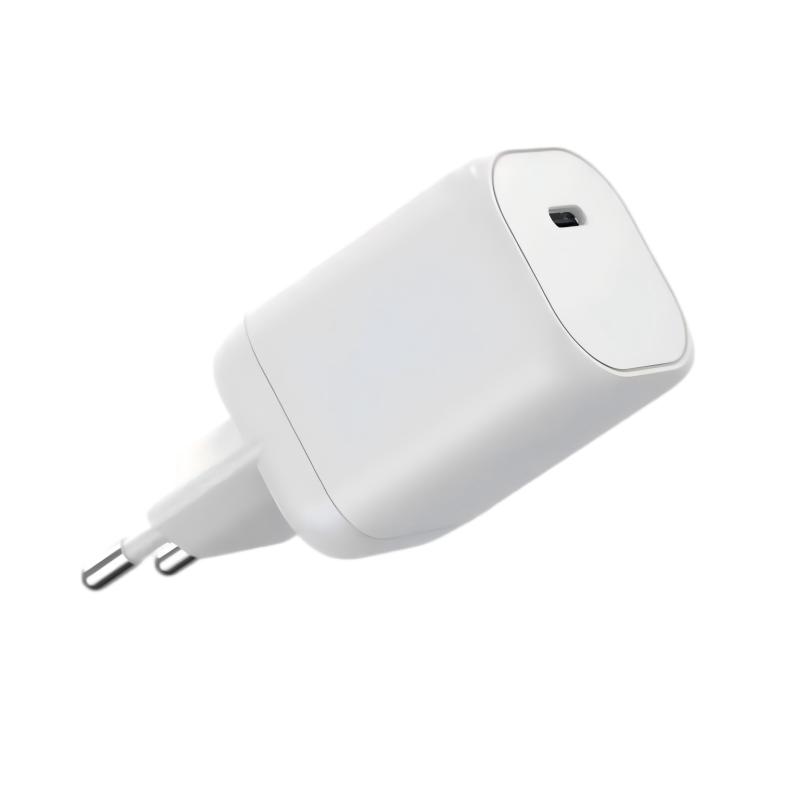
Should we offer a 120W charger when we already have 100W and 140W models?
Short answer: A 120W model fills the gap for laptops that need more than 100W but not the full 140W, and may be smaller and cheaper than the 140W unit. The downside is range clutter, a smaller sales gap between models and extra stock. Offer it only if customers ask for it and your data show laptops that fit between 100 and 140W.
Why a 120W charger might make sense
Some laptops, especially performance and creator models, ship with chargers of various ratings. A 120W unit can serve those that need a bit more than 100W, without paying for the size and heat of 140W.
Pros
- Better match for certain laptops that need more than 100W.
- Smaller or cooler than a 140W design in some cases.
- A price step between two existing models.
- Possible future-proofing for a family of devices.
- Useful for mixed use, charging a laptop and a phone on a second port.
Cons
- More models to manage. More stock, labels, approvals and documents.
- Confusing choice for customers who do not know which to pick.
- Small difference from 100W and 140W, so sales may split without growing.
- Compatibility limits. The laptop and charger must agree on the supported power levels. A charger that does not match may charge a laptop slowly or not at all.
- Cable requirement. High-power charging needs suitable cables.
- Cost of testing and certification for another model.
How to decide
- List the laptops your customers use, and the charger ratings they came with.
- Count how many fall between 100 and 140W.
- Ask your customers and your sales channels.
- Test a sample with those laptops for charging speed, heat and stability.
- Calculate the extra costs and the likely volume.
- Compare with simply recommending the 140W model.
Positioning
If you add it, describe clearly which laptops it suits and what the cable needs are. A compatibility table helps.
Alternatives
A smart design could make the 100W or 140W model more flexible, or you could offer the 120W as a custom or special-order model for larger customers.
Quick summary
Add a 120W model only if real laptops and orders fill the gap.
Example decision
If twenty percent of your laptop customers use machines that ship with chargers in the 100 to 140W range, and test samples charge those laptops well, a 120W model may earn its place. If only a few customers need it, recommend the 140W model and save the cost of another approval, label and stock line.
Where this answer says to confirm with Wecent, the detail is not published on the product page and has to come from the datasheet or the factory. General facts come from the regulators, standards bodies or device makers named in the text.
Three more perspectives
Products discussed in this thread


Related articles & topics
Have a sourcing question about your own programme?
Ask our team More Wired GaN chargers: wattage, ports & protocols questions