
Talk · Selection · Wired GaN chargers: wattage, ports & protocols
Is a 40W charger worth stocking between 35W and 45W models?
Only if it fills a real gap for your customers. Check what the phones and devices you sell actually draw, how the power is split across ports, and whether a third model adds clarity or confusion to your range.
 Wecent Editorial Team
Updated
3 min read
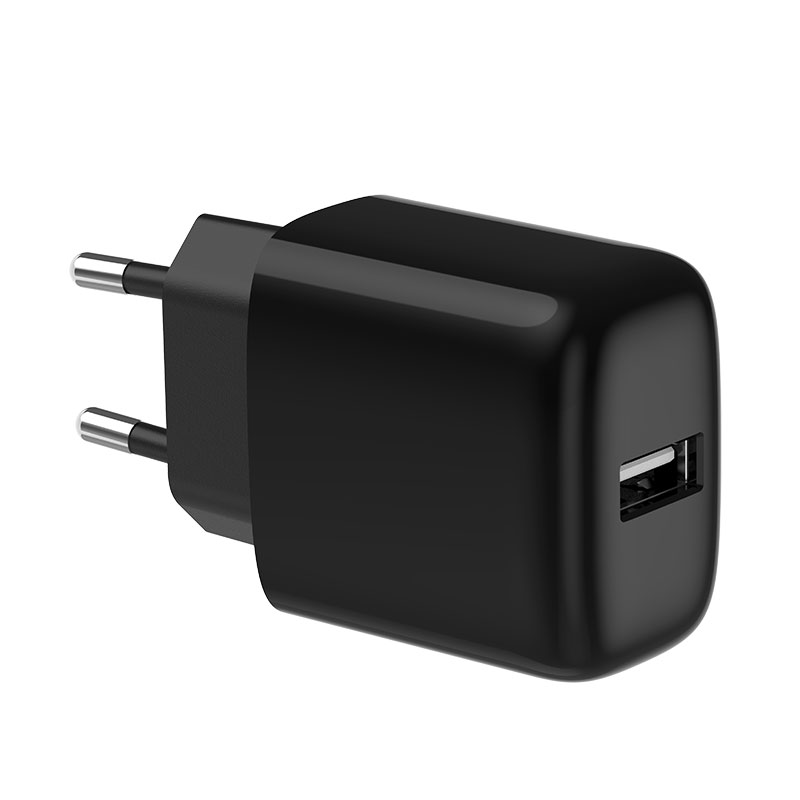
We already sell 35W and 45W chargers. A supplier suggests adding a 40W model. Is it worth it?
Short answer: Possibly, but a 5W step rarely changes the customer’s experience on its own. What matters is how the charger shares power across ports, which fast-charging protocols it supports, and its size and price. If a 40W model lets two phones fast-charge at once where the 35W can’t, or is notably smaller than the 45W, it may earn its place. If not, three similar models can confuse buyers and split stock. Compare the actual per-port specifications from Wecent before deciding.
Wattage alone doesn’t decide it
Customers see the headline number, but phones charge at what they themselves request, and many phones take well below 35W. A 40W charger connected to one phone may charge it no faster than a 35W one. The difference shows up mainly when several devices share the charger, or with devices that can use the higher power, such as some tablets and small laptops.
Look at the port split
For dual-port chargers, the useful detail is what each port gives when both are in use. One model may give a full fast-charge level to each of two phones; another may drop one port to a low level. That split is often the real reason to choose one model over another, and it varies between designs of similar wattage.
Protocols and size
Check whether each model supports USB Power Delivery and PPS, which some Android phones use for their fastest charging. Size and weight also matter: if the 40W unit is noticeably more compact than the 45W one, travel buyers may prefer it. If it’s the same size, there is less reason to stock both.
Range clarity
Each extra model adds a decision for the customer and more stock to manage. Three chargers close in wattage and price can make buyers hesitate. A clear “good, better, best” range with distinct purposes, such as “one phone”, “phone plus tablet”, “small laptop”, usually sells more easily.
A simple test
Write one sentence describing who the 40W model is for and why the 35W and 45W don’t serve them. If you can’t, skip it. If you can, test with a small quantity before committing to a full order.
Confirm with Wecent the per-port output tables, supported protocols and dimensions for the 35W, 40W and 45W options.
Where this answer says confirm with Wecent, the detail is not published on the product page and has to come from the datasheet or the factory. General facts come from the standards bodies, regulators or device makers named in the text.
Three more perspectives
Products discussed in this thread
Related articles & topics
Have a sourcing question about your own programme?
Ask our team More Wired GaN chargers: wattage, ports & protocols questions