
Talk · Compliance · EU, UK & other-market rules
What does the EU common charger rule mean for the chargers we sell?
The rule mainly regulates devices, not chargers: USB-C ports, USB PD for fast charging, unbundling and labels. It still shapes what charger buyers expect.
 Wecent Editorial Team
Updated
3 min read
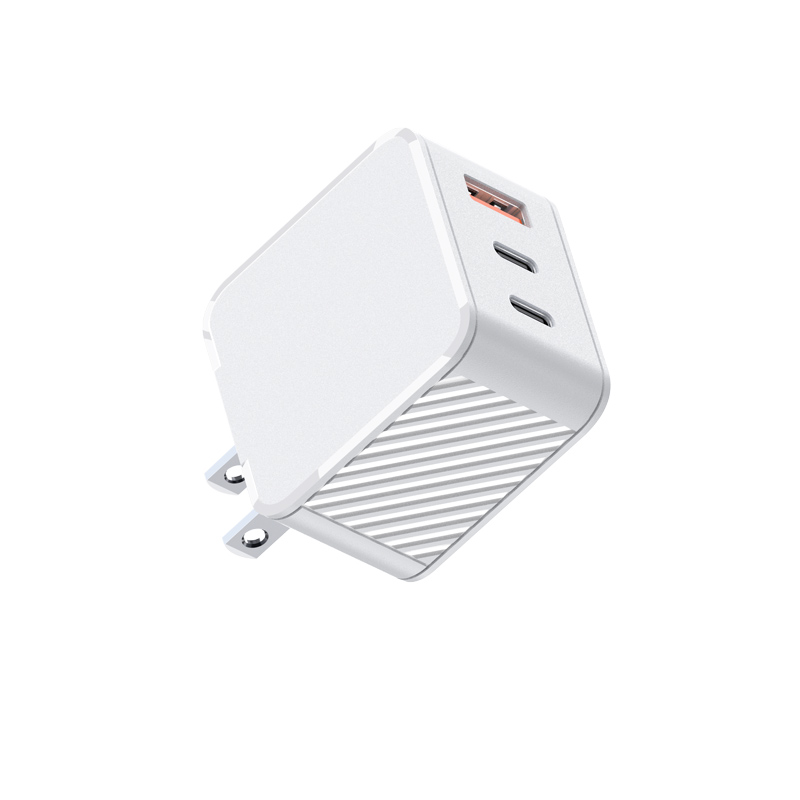
We sell GaN chargers in the EU. The ‘common charger’ law keeps coming up in buyer meetings. Does it apply to our chargers directly, and do we need to change anything?
Short answer: The common charger rules (Directive (EU) 2022/2380, which amends the Radio Equipment Directive) mainly apply to the devices being charged. It requires USB-C ports, USB PD for devices that fast-charge above 15W, the option to buy devices without a charger, and labels about charging. It doesn’t set separate design rules for stand-alone chargers today, but it does push the market toward USB-C with USB PD.
What the directive covers
- Radio equipment in listed categories (phones, tablets, cameras, headphones, portable speakers, handheld consoles and others) must have a USB-C charging port. This applies from 28 December 2024, and laptops follow from 28 April 2026.
- Devices that support fast charging above 15W must support USB Power Delivery.
- Consumers must be able to buy these devices without a charger.
- A pictogram and label must show whether a charger is included and the device’s power needs.
Why it matters to charger sellers
Devices sold without chargers mean more people buy stand-alone chargers, and those buyers look for USB-C ports with USB PD. A charger that labels its USB PD support and output power clearly fits how customers will read the device’s label, for example “requires 20–45W USB PD”.
What it doesn’t change by itself
Stand-alone chargers still follow the existing rules: Low Voltage, EMC and RoHS Directives, and Ecodesign rules for external power supplies (Regulation 2019/1782). The Commission has signalled that charger interoperability may be addressed further through Ecodesign rules, so watch for updates. We aren’t aware of a final rule adding USB-C design requirements for stand-alone chargers at the time of writing.
Timing for laptops
The USB-C requirement for laptops has applied since 28 April 2026. Laptop buyers in the EU now expect any USB PD charger of the right wattage to work. That raises the value of clear wattage and per-port information on your chargers.
Practical steps
- State the USB PD support and the power range per port clearly on the packaging and listing.
- If you also sell devices bundled with your charger, check the labelling and unbundling rules for the device.
- Keep USB-A-only products for accessory use rather than for main phone or laptop charging in the EU.
- Monitor Ecodesign revisions for external power supplies.
This is a summary, not legal advice. Check the current text on EUR-Lex and with your compliance partner.
Where this answer says confirm with Wecent, the detail is not published on the product page and has to come from the datasheet or the factory. General facts come from the standards bodies, regulators or device makers named in the text.
Three more perspectives
Products discussed in this thread

Related articles & topics
Have a sourcing question about your own programme?
Ask our team More EU, UK & other-market rules questions