
Talk · Troubleshooting · Factory & QC failure analysis
Why does a batch of magnetic chargers show uneven pull force?
Pull force varies when the magnets, the way they are fitted or the parts around them vary from unit to unit.
 Wecent Editorial Team
Updated
3 min read
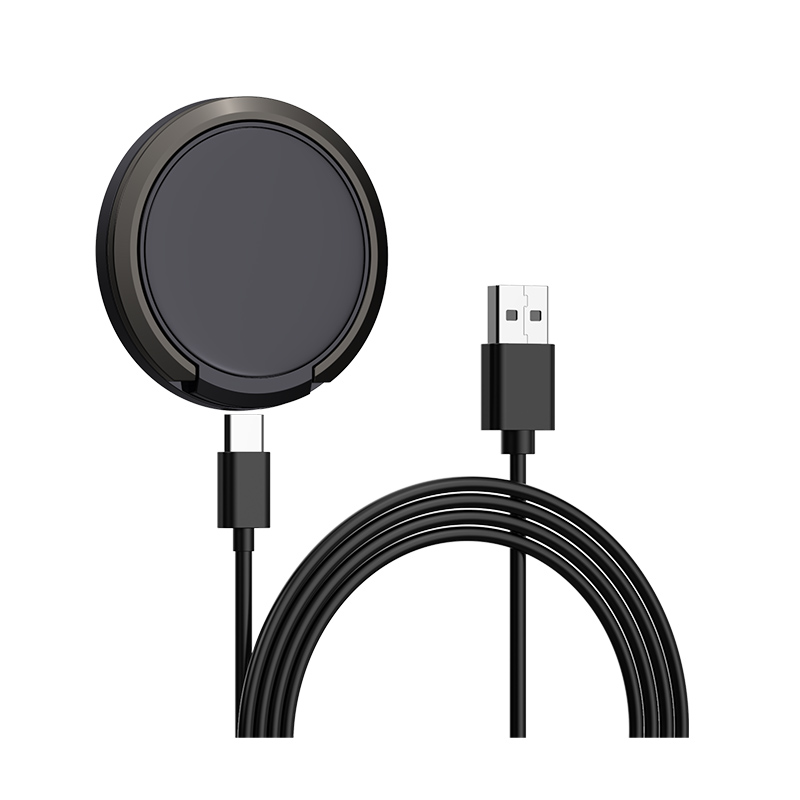
Some units in our magnetic charger batch hold a phone firmly and others let it slide, though they share the same design. What causes uneven pull force, and how do we control it?
Short answer: Pull force varies when the magnets, the way they are fitted or the parts around them vary from unit to unit. Magnet grade and magnetisation, the gap between magnet and surface, adhesive thickness, shielding plates and even the cover material all change the pull. Control it with a measured pull-force test on every lot and a tolerance written into the specification.
What sets the pull force
The pull between a magnetic charger and a phone depends on the magnet strength, the distance between them, the alignment of the magnet ring and the material in between. A change of a fraction of a millimetre in the gap can make a noticeable difference.
Common causes of variation
- Magnet quality. Different batches or suppliers can vary in strength, and magnetisation can be uneven across a magnet.
- Magnet position. A magnet sitting slightly deeper or tilted in the housing weakens the pull on the front surface.
- Adhesive and shims. Too much or uneven glue adds distance.
- Cover thickness. A face plate or coating that varies in thickness changes the gap.
- Shielding plate. The position and material of the plate behind the magnets shape the field.
- Temperature. Magnets weaken when hot, so a unit tested warm reads lower.
- Handling. Magnets stored near each other or near strong fields can lose strength.
How to measure it
- Use a fixed test puck or fixture that represents a phone with a known contact area.
- Measure the force needed to pull the puck straight off the charger, at a set speed.
- Record several units from each lot and each cavity or line.
- Test at room temperature after the unit has rested, and again after warm-up if relevant.
What to specify
- A minimum pull force and an allowed spread between units.
- The test method, fixture and conditions.
- A sampling plan for each lot.
- A rule that magnet supplier, grade and position cannot change without notice.
How to investigate a bad batch
Compare strong and weak units. Measure the face-plate thickness and the magnet depth on a cut-open sample, and check the magnet supplier records and adhesive amounts.
A note on claims
Say only what you have measured. Avoid vague words like “strong” on the box unless the number backs it up.
Where this answer says to confirm with Wecent, the detail is not published on the product page and has to come from the datasheet or the factory. General facts come from the regulators, standards bodies or device makers named in the text.
Three more perspectives
Products discussed in this thread


Related articles & topics
Have a sourcing question about your own programme?
Ask our team More Factory & QC failure analysis questions