
Talk · Troubleshooting · Heat, noise & safety signs
Is it safe to leave a power bank charging overnight?
A good, certified power bank in good condition has protection circuits that stop charging when it is full, so overnight charging is generally considered acceptable.
 Wecent Editorial Team
Updated
3 min read
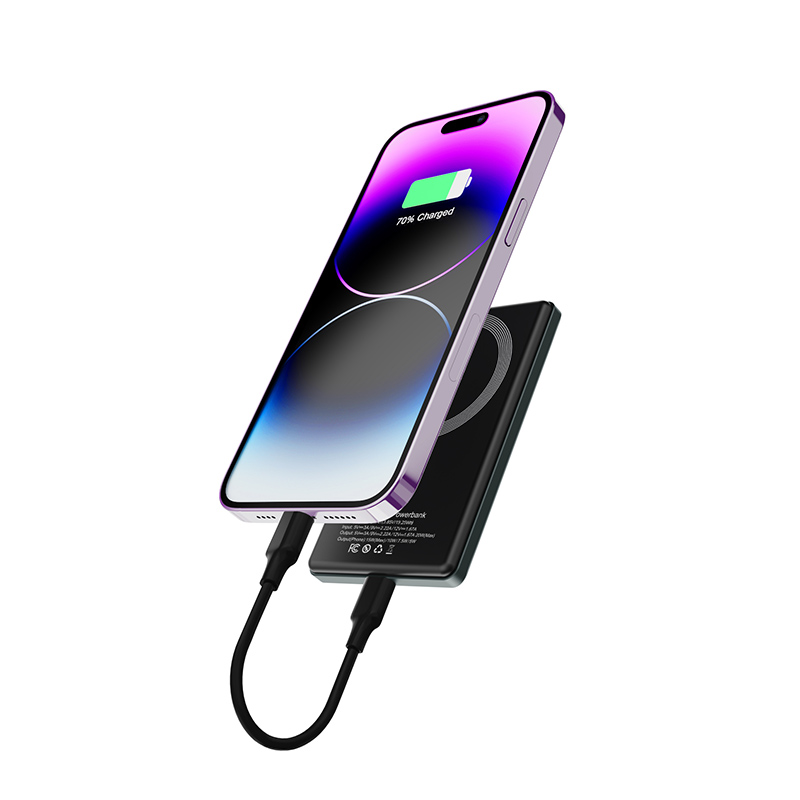
Can I leave my power bank charging overnight?
Short answer: A good, certified power bank in good condition has protection circuits that stop charging when it is full, so overnight charging is generally considered acceptable. The risks come from cheap or damaged units, poor chargers, heat and soft surfaces. Charge on a hard, open surface, never under bedding, and stop using one that swells, overheats or smells.
How protection works
A power bank contains lithium cells and a protection circuit. The circuit monitors voltage, current and temperature, and stops charging when the battery is full or when something is wrong. This is why a well-made unit is designed to be left connected until charged.
Why caution is still needed
Protection circuits are only as good as the product. Cheap, unbranded, damaged or old power banks may have poor cells or weak protection. Any lithium battery can overheat if it is damaged, exposed to heat or faulty. The FAA notes that lithium-ion batteries can overheat and undergo thermal runaway, which can happen without warning.
Safer overnight habits
- Use a certified product from a reliable brand.
- Use the right charger and cable, as recommended.
- Charge on a hard, flat, open surface, such as a table, not on a bed, sofa or carpet.
- Keep it away from flammable items, such as curtains, paper and clothes.
- Do not cover it, and do not charge it in a bag.
- Keep it out of direct heat or sun.
- Check it before charging. Do not use a power bank that is swollen, cracked, dented, wet or hot.
- Stay within the room, if possible, and keep a smoke alarm in the sleeping area.
- Unplug it when full, if you wake up, or use a timer socket.
- Replace old units, or those that run hot.
Signs to stop using it
- The case is swollen or bent.
- It gets very hot while charging.
- It smells or makes noises.
- It charges unusually quickly or slowly.
- It has been dropped and is damaged.
What to do if something goes wrong
If a power bank overheats, smokes or catches fire, move away and call emergency services. Do not try to handle it with bare hands.
Alternatives
Charge it during the day when you can watch it, or in the evening while you are awake, and use it overnight for the phone if needed.
For sellers
Include safe-use guidance in the manual and on the box, and say which charger to use.
Quick summary
Possible with a good unit, but charge on a hard surface and stop using any unit that shows damage or heat.
Sources checked on 24 Oct 2026: FAA PackSafe: Lithium batteries.
Where this answer says to confirm with Wecent, the detail is not published on the product page and has to come from the datasheet or the factory. General facts come from the regulators, standards bodies or device makers named in the text.
Three more perspectives
Products discussed in this thread
Related articles & topics
Have a sourcing question about your own programme?
Ask our team More Heat, noise & safety signs questions