
Talk · Purchasing · Channels & supplier management
Is a bamboo wireless charger worth stocking for eco-minded corporate buyers?
Often yes, as a premium gift or desk item, if you keep the claims honest.
 Wecent Editorial Team
Updated
2 min read
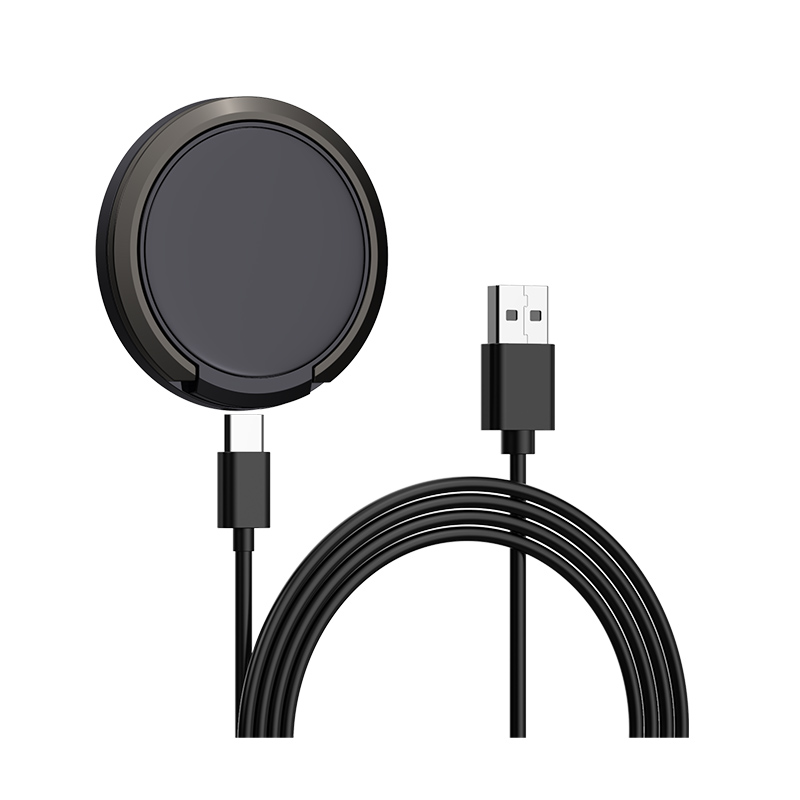
Corporate customers keep asking for a bamboo wireless charger. Is it worth stocking?
Short answer: Often yes, as a premium gift or desk item, if you keep the claims honest. Bamboo gives a natural look and feel, but the charger still contains electronics, so avoid unqualified ‘eco-friendly’ claims. Check the finish, how the surface wears, how the material affects charging and heat, the cost and the order minimums, and test samples before committing.
Why buyers like it
Bamboo looks warm and natural, differs from plastic and suits corporate gifts, wellness brands and offices that want a distinctive desk accessory. It engraves well, which helps with logos.
What to check
- Charging performance. Wood and bamboo are not a problem for wireless charging by themselves, but the thickness over the coil matters. Test speed and heat.
- Finish and coating. Lacquer or oil protects the surface. Check hand-feel, scratch resistance and how it ages.
- Moisture and warping. Bamboo can change with humidity. Ask about sealing and test in a humidity chamber.
- Colour variation. Natural material varies between pieces and batches. Agree acceptable ranges and use samples.
- Logo method. Laser engraving is common. Check contrast and depth.
- Surface grip. The phone should stay in place.
- Cost and minimums. Compare price and order quantity with your plastic models.
- Lead time. Natural materials may add steps.
- Compliance. The charger must meet electrical safety and EMC requirements as any other wireless charger, regardless of the shell material.
Be careful with claims
The US Federal Trade Commission has Green Guides on environmental marketing claims. Avoid broad terms like ‘eco-friendly’ or ‘sustainable’ without being able to support them. Say specifically what is true, for example ‘shell made from bamboo’, and avoid suggesting the whole product is environmentally friendly. For Canada, the Competition Bureau also has guidance on environmental claims. Check both.
What to ask the supplier
- Where does the bamboo come from, and in what form?
- What is the finish, and is it tested?
- What is the sample quality across batches?
- What is the lead time and the minimum?
How to decide
Make a small trial order, put it in front of two or three corporate customers and see whether they order. Keep it in the range if repeat orders come.
Quick summary
A good premium niche. Test performance and wear, and keep your claims precise.
Sources checked on 24 Oct 2026: FTC: Green Guides.
Where this answer says to confirm with Wecent, the detail is not published on the product page and has to come from the datasheet or the factory. General facts come from the regulators, standards bodies or device makers named in the text.
Three more perspectives
Products discussed in this thread
Related articles & topics
Have a sourcing question about your own programme?
Ask our team More Channels & supplier management questions