
Talk · Purchasing · Channels & supplier management
What should a distribution agreement for private-label chargers cover?
A distribution agreement should state the territory, the products covered, exclusivity and minimums, pricing and payment, warranty and returns, compliance duties, brand use and what happens at the end.
 Wecent Editorial Team
Updated
2 min read
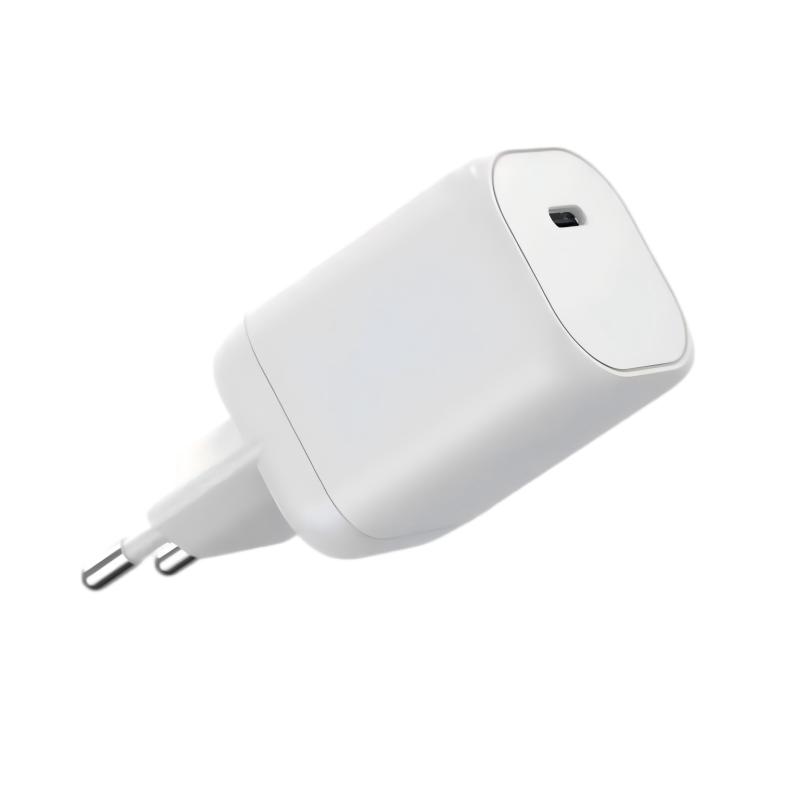
We are appointing a distributor for our private-label chargers. What should the distribution agreement cover so we are protected and the distributor is motivated?
Short answer: A distribution agreement should state the territory, the products covered, exclusivity and minimums, pricing and payment, warranty and returns, compliance duties, brand use and what happens at the end. It need not be long, but it must be specific about who does what. Have a lawyer in your market review the final text.
Start with the basics
- Parties and products. Name the companies and list the exact models, including future variants if they are to be included.
- Territory. Define it clearly, by country or region, and say whether online sales outside it are allowed.
- Term. State the length of the agreement and how it renews.
Exclusivity and targets
If you grant exclusivity, tie it to minimum purchases or sales targets. Say what happens if the distributor misses them, such as losing exclusivity. Without targets, exclusivity can lock up a territory with no sales.
Pricing and payment
- Price lists, how and when they may change.
- Payment terms, currency and who pays freight and duties.
- Whether the distributor sets resale prices. Competition law may limit what you can require, so take advice.
Warranty, returns and support
State the warranty period, who handles customer claims, the process for defective goods, and how costs are shared. Define the response times and the information each side must provide.
Compliance and product duties
- Who holds the approvals and documents for each market.
- Who is responsible for labelling, language and local marks.
- How safety complaints and incidents are reported between you, and by when.
- What happens if a recall is needed.
Brand and intellectual property
Say who owns the brand, how the distributor may use it and what happens to marketing materials at the end. Clarify that private-label designs and artwork remain yours or the brand owner’s.
Information and audit
Agree on sales reports, forecasts and the right to check records, so you can see how the channel is performing.
Ending the relationship
Include termination rights, notice periods, handling of remaining stock and customer lists, and which law and courts apply.
Get advice
Distribution law differs by country, and some places give distributors strong rights at termination. Ask a local lawyer to review before signing.
Where this answer says to confirm with Wecent, the detail is not published on the product page and has to come from the datasheet or the factory. General facts come from the regulators, standards bodies or device makers named in the text.
Three more perspectives
Products discussed in this thread


Related articles & topics
Have a sourcing question about your own programme?
Ask our team More Channels & supplier management questions