
Talk · Purchasing · Channels & supplier management
What should we plan when building a charger line for Australia and New Zealand?
Plan for the Type I plug, local electrical safety and EMC requirements, registration under the local scheme, and the role of the local importer or supplier. Then choose models, packaging and stock levels for a smaller, seasonal market.
 Wecent Editorial Team
Updated
2 min read
We distribute in Australia and New Zealand and want our own range of chargers. What should we plan for?
Short answer: Start with compliance: chargers need the Australian/NZ Type I plug, and mains-powered chargers fall under electrical safety and EMC rules administered by the state, territory and NZ regulators, with registration and marking duties for the local responsible supplier. Check current requirements with the regulators or a local compliance adviser. Then choose a compact range, confirm test reports for AS/NZS standards, plan local-language packaging, and size orders for a smaller market with seasonal peaks.
Compliance comes first
Australia and New Zealand share much of their electrical safety framework. Mains-powered chargers are generally treated as in-scope electrical equipment, and the local business that supplies them, often the importer, carries registration and marking duties. Some types of equipment need certification before sale. The rules are run by state and territory regulators in Australia and by WorkSafe/Energy Safety in New Zealand, with EMC rules overseen separately. Because details change and depend on product type, confirm the exact obligations with the regulators or a local compliance adviser.
What to ask the supplier
Ask for test reports against the relevant AS/NZS or IEC-based standards, details of any existing certificates, and label artwork showing the required marks. Check whether existing certificates can be used by you as the local supplier or whether new certification in your name is needed.
Plugs and models
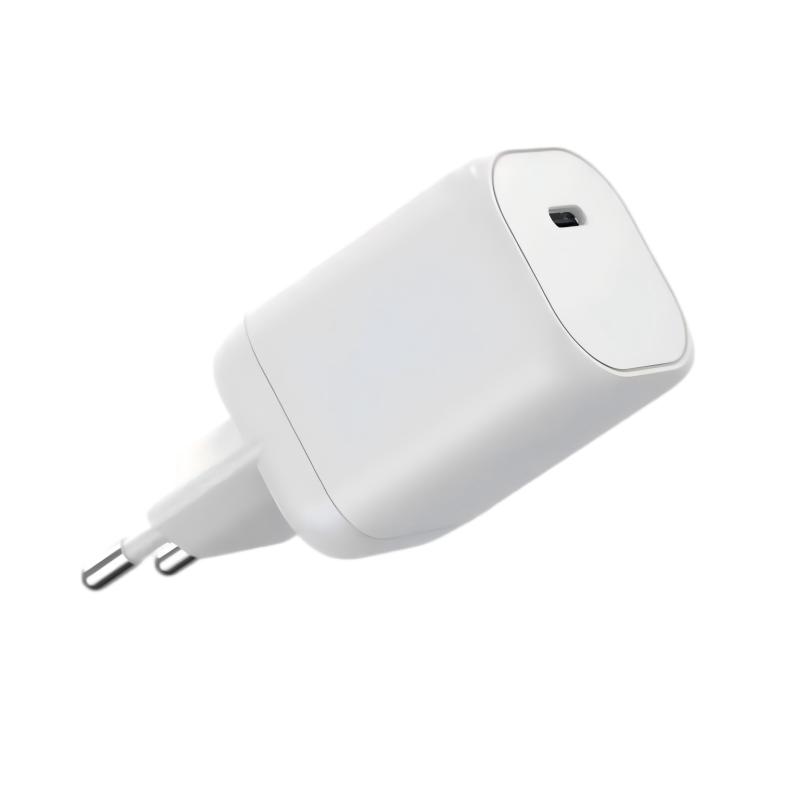
Australia and New Zealand use the Type I plug. Models with interchangeable heads can share a design with other markets, but each head and configuration must still be covered by the testing. A fixed AU plug is simpler for compliance and retail.
Range size and stock
The market is smaller than the EU or US, so a focused range of a few well-chosen models usually works better than many variants. Plan around the Christmas period and back-to-school in late January and February, and allow for longer shipping times.
Packaging and after-sales
Include local supplier details, warranty terms consistent with Australian and NZ consumer law, and clear plug and wattage information. Set up a simple local return and replacement process.
Confirm with Wecent which models have AU/NZ test reports and Type I configurations; this is not legal advice.
Where this answer says confirm with Wecent, the detail is not published on the product page and has to come from the datasheet or the factory. General facts come from the standards bodies, regulators or device makers named in the text.
Three more perspectives
Products discussed in this thread

Related articles & topics
Have a sourcing question about your own programme?
Ask our team More Channels & supplier management questions