
A shipment cleared Australian customs and stopped at the importer, because the certificate covered a sibling model and the registration named a different version. The product was compliant; the paperwork described a different configuration.
This guide is part of our Charger Export & Market Entry. Read the full topic guide for the decisions that come before and after this step.
Selling chargers in Australia: the five failures to avoid
A certificate for the wrong model, a missing registration, an unnamed responsible supplier, a marking that does not match the file and an electromagnetic claim without evidence.
Each is a documentation failure rather than a product failure, and each is visible before the shipment rather than after it. The five are ordered by how often they appear in a first Australian launch.
Failure 1: the certificate covers a sibling model
The scope names a model and a configuration.
Read the certificate for the model designation and the construction it covers, including the plug arrangement and the accessory set. A certificate for a variant does not cover the model being shipped, and the fix is a certification for the exact configuration rather than an argument at the border.
Failure 2: the registration is missing
Certification and registration are two steps.
The registration records the product and the responsible supplier against the certificate on the national database, and it is what a market surveillance check looks up. A product with a certificate and no registration is not yet in a position to be supplied.
Failure 3: the responsible supplier is not named
Someone in the market has to answer for the product.
The responsible supplier applies the marking and holds the evidence, and the arrangement is agreed in writing before the first shipment. Where the brand is not the responsible supplier, the relationship with whoever is should cover what happens if that party changes.
Failure 4: the marking does not match the file
The mark is a claim supported by the documents.
The marking has to appear on the product in the required form and be legible, and the responsible supplier’s details appear with it. A label that names one party while the registration names another is the mismatch that stops a shipment at the importer’s warehouse.
Failure 5: the electromagnetic claim without evidence
The declaration is supported by test reports.
Electromagnetic behaviour is covered by a declaration with reports behind it, and radio requirements attach where the product has a radio interface. The evidence is kept with the folder, so a query is answered rather than investigated.
| Failure | What it looks like | Fix | When to check |
|---|---|---|---|
| Certificate scope | A sibling model named | Certification for the exact configuration | Before tooling |
| Registration | No record on the database | A registration by the responsible supplier | Before shipment |
| Responsible supplier | No named party | A written arrangement | Before the first order |
| Marking | A label naming another party | Artwork aligned with the registration | Before the print |
| Electromagnetic evidence | A declaration with no reports | Reports held in the folder | Before the listing |
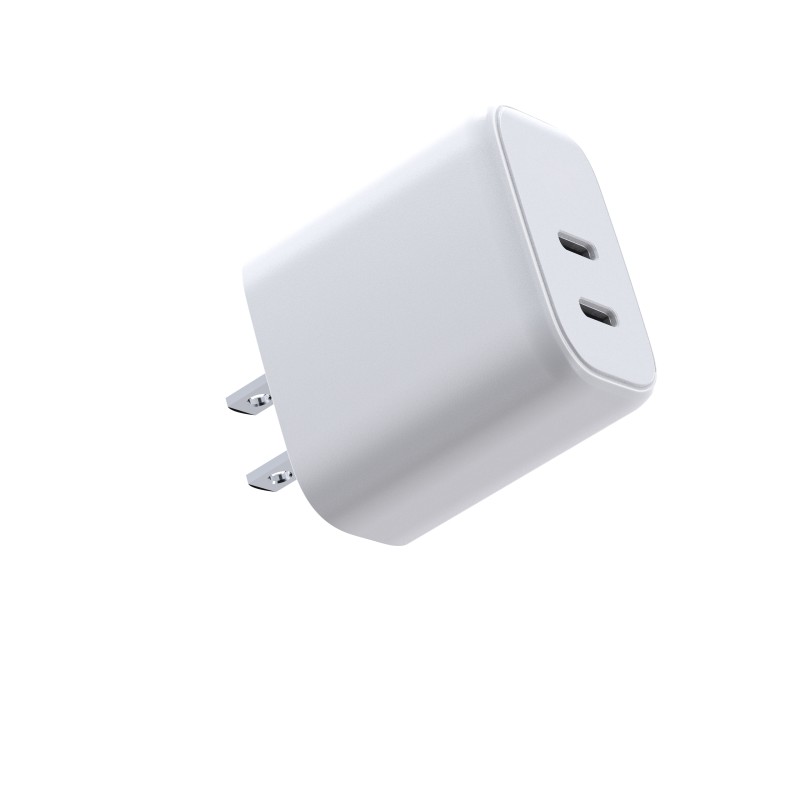
The folder that answers a query
Five documents, and each is short.
The certificate with its scope, the registration record, the declaration with its reports, the product description with photographs and the marking artwork. A folder containing those five can be produced on request, which is the practical test of whether a launch is ready.
Planning an Australian launch
Three dates, and the certificate is the longest.
The certification, the registration and the shipment. Registration is administrative once the certificate and supplier details exist, so the critical path is usually the certification for the exact configuration rather than the paperwork that follows it.

What the brand should hold
Three items, and the first is the certificate.
The certificate with its scope, the registration record with the responsible supplier’s details and the marking artwork that matches both. Holding those three means the brand can answer a distributor’s or a retailer’s question without contacting the factory.
What the responsible supplier arrangement involves
The arrangement names a party established in the market that takes responsibility for the product and holds the evidence behind it. That party appears in the registration and answers a regulator, a retailer or a marketplace on the product’s behalf.
It also decides what happens at the end. Where the responsible supplier changes, the registration is transferred or reissued, and the labels naming the previous party have to be brought into line.
The third element is the evidence the party holds: the certificate with its scope, the test reports for the configuration being supplied, and the declaration that names the responsible supplier consistently with the label.
A brand entering the market therefore settles the arrangement, the certificate and the artwork together, because the three reference each other and a change to one moves the other two.
FAQ
Can a factory certificate support the brand’s listing?
It can where the certificate covers the exact model and configuration being supplied, and the registration names the correct responsible supplier. Otherwise the difference is certified or the arrangement is changed. Check the model designation and the responsible supplier on the certificate against the label, because those two fields are what a regulator compares and a mismatch is treated as an uncertified product.
Does the product need to be re-tested for Australia?
Where the construction and the standards align, existing evidence can support the certification. The certificate is issued for the configuration, so a different plug arrangement is assessed rather than assumed. The assessment follows the construction, so a different plug arrangement, a different plug-in module or a different enclosure is evaluated rather than carried over from the family file. Ask the certificate holder to confirm which construction the file covers.
Who can act as the responsible supplier?
A party established in the market that takes responsibility for the product and holds the evidence. The arrangement is written before the first shipment, including what happens if that party changes. Write the transfer conditions into the arrangement, including the notice period and the handover of the evidence, because a change of party is where registrations are most often lost.
Is New Zealand covered by the same registration?
The marking is used across both markets and the electrical equipment arrangements differ, so the requirements for each are confirmed rather than assumed to be identical. Confirm the two sets of requirements separately before the first shipment, because the marking arrangement is shared while the electrical equipment rules are not. Where the two differ, the artwork is corrected before the shipment rather than after arrival.
Next step
Send the configuration, the importer arrangement and the markets to Wecent Group through the contact page. The reply states the equipment level, the certificate scope, the registration position and the marking duties. Related reading: OEM and ODM charger manufacturing, charger quality control and our charger factory. External references: Australian Electrical Equipment Safety System, Australian Communications and Media Authority, IEC standards, UL standards and certification, TUV testing services and ICC Incoterms rules.