
Talk · Troubleshooting · Factory & QC failure analysis
Why does output voltage vary between units in the same batch under load?
Some variation is normal.
 Wecent Editorial Team
Updated
3 min read
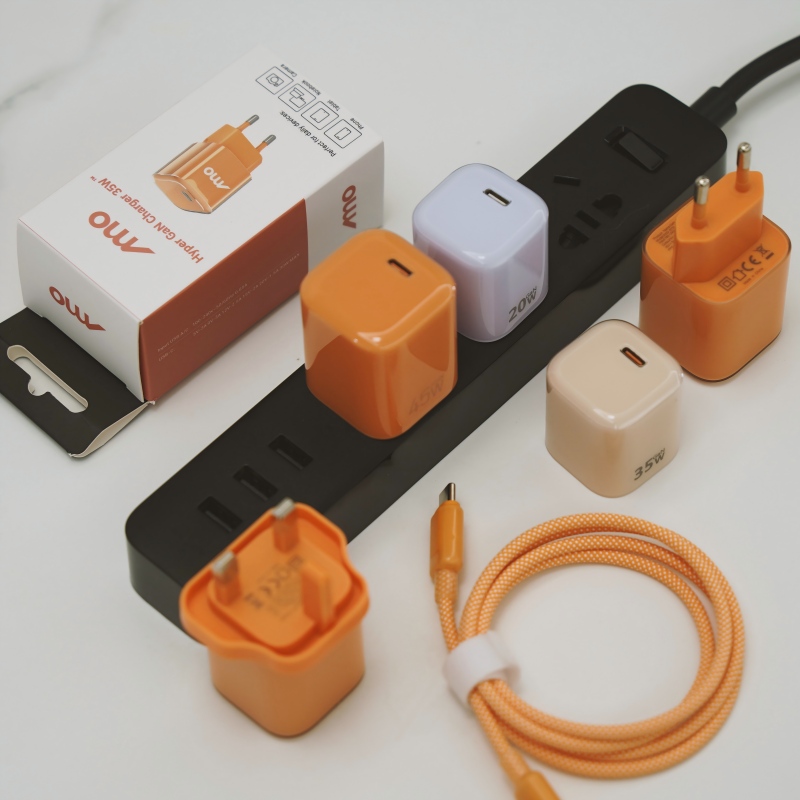
We measured the output voltage under load on units from one batch and the readings differ. Is that a defect?
Short answer: Some variation is normal. Component tolerances, the feedback circuit and the way the output is measured all cause differences between units. It becomes a defect when readings go outside the specified range, or when the spread is much larger than in earlier batches. Measure the same way every time, compare against the specification and investigate the outliers.
Why units differ
No two units are identical. Resistors, capacitors, transformers and controller chips each have a tolerance, and the output voltage is set by a feedback loop that depends on all of them. The result is a spread of values around the target.
What changes the reading
- Component tolerance. The reference and feedback parts set the voltage.
- Load. Voltage often drops a little as the load increases. The specification says by how much.
- Where you measure. At the charger’s port, at the end of a cable or at the phone gives different readings, since cables drop voltage.
- Temperature. A cold unit and a hot unit read differently.
- Meter and probes. Poor contact and different meters change the result.
- Ripple and noise. A multimeter shows an average, an oscilloscope shows the peaks.
What counts as a defect
A defect is a unit that is outside its specification limits under the stated test conditions, or one that behaves differently from the approved sample. A spread within limits is not a defect, but a wider spread than usual is a warning sign.
How to check properly
- Fix the test setup: same load, same cable or test fixture, same warm-up time.
- Measure at the output connector with good probes.
- Record the readings for at least 20 units, and calculate the average and the spread.
- Compare to the specification and to the approved sample.
- Look for outliers and test them again.
- Check whether the spread has changed since previous batches.
Possible root causes of a wide spread
- A change in a component supplier or lot.
- Inconsistent soldering or assembly.
- A calibration step that is skipped or loose.
- Test equipment drift on the production line.
Why it matters
A voltage that is too high can stress the device. A voltage that is too low can cause slow charging or resets. Chargers with fast-charging protocols also need the voltage to be within narrow limits.
Quick summary
Expect a spread, but keep it within the specification. Measure the same way each time, and investigate outliers and changes in the spread.
Where this answer says to confirm with Wecent, the detail is not published on the product page and has to come from the datasheet or the factory. General facts come from the regulators, standards bodies or device makers named in the text.
Three more perspectives
Products discussed in this thread
Related articles & topics
Have a sourcing question about your own programme?
Ask our team More Factory & QC failure analysis questions