
Talk · Troubleshooting · Factory & QC failure analysis
Why does a charger pass EMC in the lab but fail on a second batch?
The lab tested one sample.
 Wecent Editorial Team
Updated
3 min read
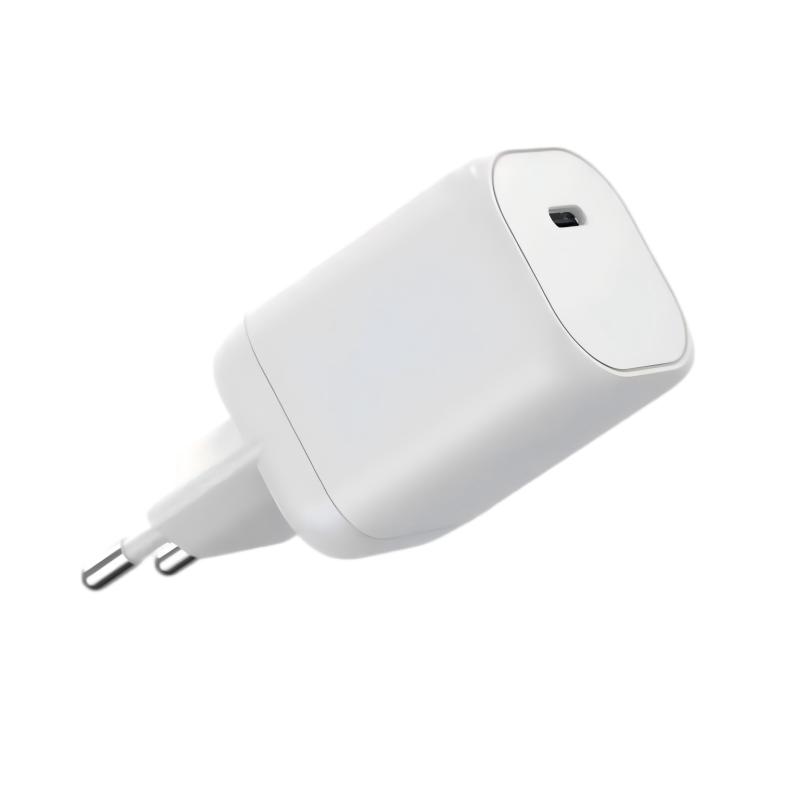
Our charger passed the EMC test, but a later production batch failed. How is that possible?
Short answer: The lab tested one sample. Production units vary: components change, tolerances spread, assembly differs and a design change may have gone unnoticed. If the first sample passed with little margin, small differences can push a later unit over the limit. Freeze the critical parts, test with margin and re-test samples from production.
What a pass really means
An EMC pass means that the tested sample met the limits on that day, with that setup. It does not guarantee that every future unit will do the same.
Why a later batch can fail
- Component substitutions. A different supplier’s capacitor, inductor, transformer, controller or switching transistor can change the noise.
- Tolerances. Parts vary from batch to batch.
- Assembly differences. Winding, glue, shielding, ground contacts and wire routing affect emissions.
- Layout or firmware change. A small revision can change switching behaviour.
- Different test setup. A different cable, load or position gives other results.
- Little margin. If the first sample was close to the limit, any drift fails it.
How to prevent it
- Check how much margin the passing sample had. Aim for a safe gap below the limit.
- Lock the bill of materials for EMC-critical parts, and require approval for any change.
- Record the design revision tested, and compare production to it.
- Include EMC-critical checks in incoming inspection, such as transformer parameters.
- Re-test samples from production from time to time, especially after any change.
- Use the same test setup, cable and load each time.
What to do after a failure
- Stop shipments of the affected batch.
- Compare the failed unit to the passing sample part by part.
- Find the difference, fix it and re-test.
- Check stock in the market and the warehouse.
Example
A passing sample used one brand of transformer. A new batch used an equivalent from another supplier with slightly different winding. Emissions rose at one frequency, and the unit failed. A change-control rule would have caught it.
Quick summary
Passing once is a sample result. Keep margin, control changes and re-test production.
Practical routine
Each quarter, take a few units from current production and send them to the lab for a short check at the frequencies where the first sample was closest to the limit. Compare the results with the original report. A routine like this finds drift early, before a whole shipment is affected, and gives you data if a customer or authority asks questions.
Sources checked on 24 Oct 2026: FCC: Equipment Authorization; ISED Canada: Spectrum management and telecommunications.
Where this answer says to confirm with Wecent, the detail is not published on the product page and has to come from the datasheet or the factory. General facts come from the regulators, standards bodies or device makers named in the text.
Three more perspectives
Products discussed in this thread


Related articles & topics
Have a sourcing question about your own programme?
Ask our team More Factory & QC failure analysis questions