
Talk · Compliance · US & Canada rules
Can we keep using our Chinese test lab for FCC reports after the ‘bad labs’ rules?
It depends on who owns and controls the lab and whether the FCC recognises it. Check both before you book, and keep an eye on a proposal that could widen the restrictions.
 Wecent Editorial Team
Updated
3 min read
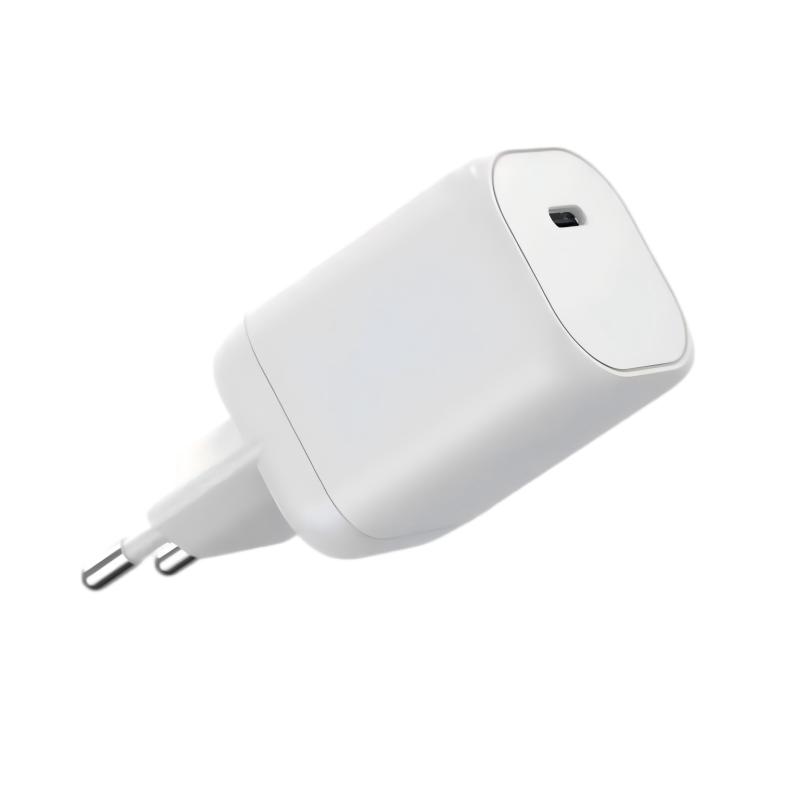
Our factory has always used a lab in China for FCC testing of our chargers. We have heard about new FCC rules on ‘bad labs’. Can our next batch of FCC test reports still come from that lab, and what should we check before we sign off?
Short answer: Not automatically either way. The FCC rules restrict testing at labs that are owned by, controlled by or directed by a ‘prohibited entity’, and use FCC lab recognition for certification work. A lab being in China is not itself the test, but ownership and recognition are. Check both before you rely on a report, and treat a 2026 proposal on lab locations as a possible future change, not current law.
What the rules say
The FCC published a compliance guide on its ban of “bad labs” in September 2025. Section 2.906 of the FCC rules now says that testing needed to show compliance under the supplier’s declaration route must not be performed at a measurement facility that is owned by, controlled by, or under the direction of a prohibited entity, as defined in section 2.902. This applies to the declaration route that many USB chargers use. For certification, the FCC describes testing by an FCC-recognised accredited lab and approval by a recognised certification body.
What this means for a lab in China
The rule is about ownership, control and direction, and about the FCC’s recognition of labs. It is not a simple ban on all labs in one country. Some labs have lost or been denied FCC recognition, and some are caught by the prohibited-entity definition. You cannot tell from the address alone.
What to check before you book or accept a report
- Ownership and control. Ask the lab in writing who owns it and whether any owner or controller is a prohibited entity under the FCC definition.
- Recognition. If the product needs certification, confirm the lab’s current FCC recognition on the FCC’s own pages, not from the lab’s website alone.
- Report details. The report should name the lab, the model, the test date and the applicable rule parts.
- Your own responsibility. Under SDoC, the US responsible party carries the obligation, so it is your risk if the report is not acceptable.
The 2026 proposal
In April 2026 the FCC proposed ending recognition of labs located in countries that do not have a mutual recognition arrangement with the United States. At the time of checking on 24 October 2026, this was a proposal, not a final rule. If it is adopted, labs in more countries could be affected, so build slack into your test plan.
A practical approach
Ask the factory for the lab’s name now, check it before the next order and, if there is doubt, use a lab outside the affected group for new models. Keep old reports on file, but do not assume that they will remain acceptable for a new design.
Sources checked on 24 Oct 2026: FCC: Ban of Bad Labs from the Equipment Authorization Process (DA 25-803); eCFR: 47 CFR 2.906; FCC: Equipment authorization procedures.
Where this answer says to confirm with Wecent, the detail is not published on the product page and has to come from the datasheet or the factory. General facts come from the regulators, standards bodies or device makers named in the text.
Three more perspectives
Products discussed in this thread

Related articles & topics
Have a sourcing question about your own programme?
Ask our team More US & Canada rules questions