
Talk · Troubleshooting · Factory & QC failure analysis
Why does a surge test damage a charger that otherwise works?
A surge test applies a short, high-voltage pulse to the input to simulate lightning or switching events.
 Wecent Editorial Team
Updated
3 min read
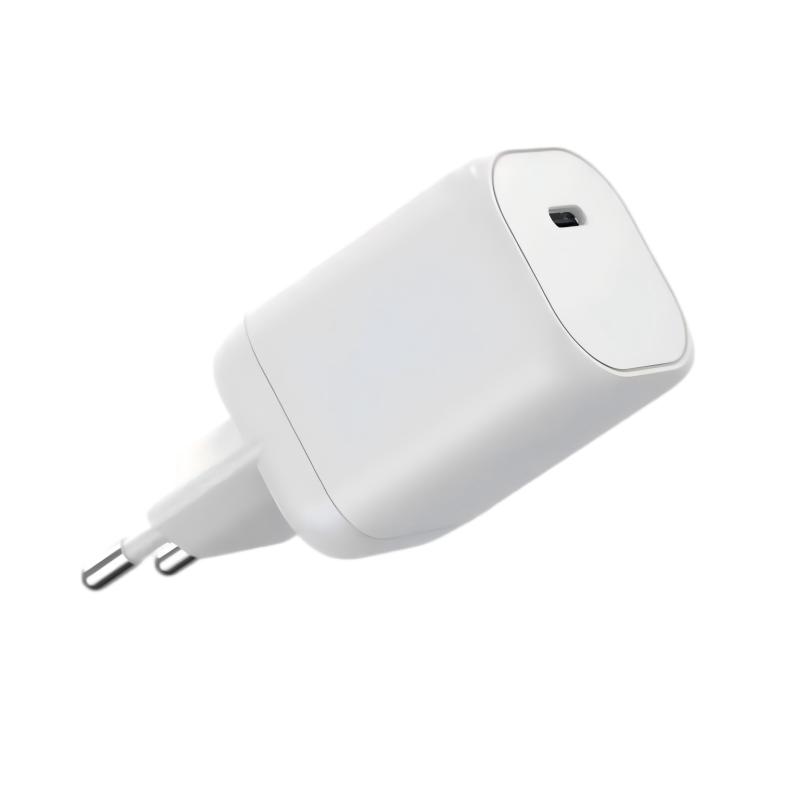
Our charger works normally but fails when the lab applies a surge on the mains input. Why, and what can we change?
Short answer: A surge test applies a short, high-voltage pulse to the input to simulate lightning or switching events. A charger fails when its input protection is too weak, the parts that absorb the pulse are under-rated or the board layout lets the pulse reach sensitive parts. Fixes include better surge parts, wider spacing, stronger input components and layout changes, followed by a retest.
What a surge test does
The lab applies fast, high-energy pulses to the power input, in set steps and polarities. A good design absorbs the energy in protective parts and keeps downstream parts safe. A weak design lets the pulse damage the input components, the primary switch or the controller.
Why a charger can work and still fail
Normal operation uses only low-level, steady power. The surge is far above normal and tests protection parts that are not used day to day. A charger without enough protection works fine until it meets a stress event.
Common causes
- Under-rated surge parts. The varistor or other absorbing part is too small.
- Missing or weak protection. A cost-reduced design may drop a part.
- Input capacitor or bridge stress. The part cannot take the pulse.
- Layout. Short spacings or long traces let the pulse arc or couple into the wrong place.
- Primary switch weakness. The switching device breaks down.
- Component spread. Parts from different lots behave differently.
How to investigate
- Find which part failed, by inspection and measurement.
- Capture the waveform of the pulse at the input and across key parts.
- Compare with a design that passes.
- Check how many pulses the unit survives.
Fixes
- Use a higher-energy surge protection part or add one.
- Increase spacing and improve board layout.
- Choose components with higher voltage ratings.
- Add or improve input filtering.
- Retest the changed design on several samples.
Control cost cutting
Any change to the input parts needs a surge retest. Ask the factory to inform you before replacing protection components.
Quick summary
Find the failed part, strengthen the protection and layout, and retest on several units.
Example investigation record
Unit number, test level and polarity, the part that failed, photos of the damage, the waveform and the fix tried. Keeping a one-page record for each failed unit makes it easy to see whether changes help, and gives the lab a clear history when you ask them to witness the retest.
Where this answer says to confirm with Wecent, the detail is not published on the product page and has to come from the datasheet or the factory. General facts come from the regulators, standards bodies or device makers named in the text.
Three more perspectives
Products discussed in this thread


Related articles & topics
Have a sourcing question about your own programme?
Ask our team More Factory & QC failure analysis questions