
Talk · Troubleshooting · Heat, noise & safety signs
Do chargers use electricity when nothing is plugged in?
Yes, but very little.
 Wecent Editorial Team
Updated
3 min read
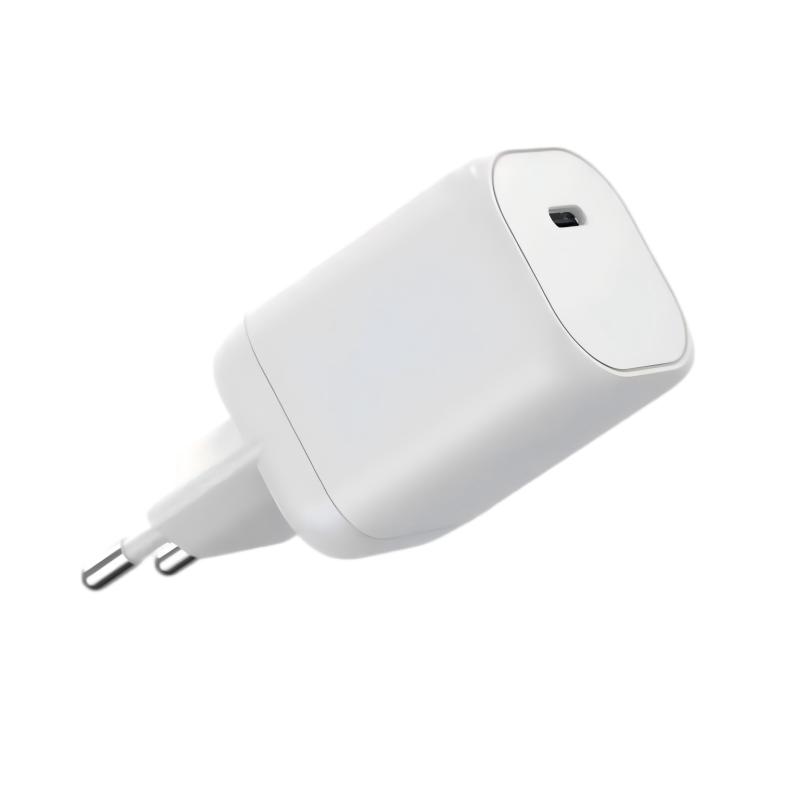
I leave my phone charger in the wall all day. Does it use electricity when no phone is connected, and does it cost me anything?
Short answer: Yes, but very little. A charger with nothing connected still draws a small amount of power to keep its circuits ready, called no-load or standby power. Modern chargers are designed to keep this low, and energy rules set limits for many of them. For one charger the yearly cost is usually tiny, but unplugging unused or old chargers is still a sensible habit.
What is happening inside
A charger converts wall power to low-voltage DC. Even with no device attached, parts such as the controller, the transformer and the filter components use a small amount of power. Older, cheap or poorly designed chargers can draw more than newer ones.
How much is it?
For a modern, well-made phone charger, the no-load power is a small fraction of a watt. Over a year, the cost of a single charger left plugged in is usually only a few cents or less, depending on your electricity price. Older chargers can be higher, and the total grows with many chargers around the home.
Why energy rules exist
Both the United States and Canada regulate the efficiency and no-load power of many external power supplies and battery chargers. These rules push makers to keep standby power low. A charger sold in these markets should be marked to show it meets the applicable level.
Is it a safety issue?
A charger left plugged in is normally safe if it is in good condition. It is a concern if the charger is damaged, hot, buzzing or smells. Replace those and do not leave them plugged in.
Practical tips
- Unplug chargers you rarely use, such as old or spare ones.
- Use a switched power strip for a charging station, and turn it off at night if you wish.
- Choose chargers with clear safety marks and an efficiency marking.
- Check that a charger is cool when it is not charging. A warm charger with no load is wasting more power than it should.
- Replace old chargers with modern efficient ones.
For brands
Measure no-load power on production samples, write it in the specification and include the efficiency marking on the product, so retailers and customers can see it.
Sources checked on 24 Oct 2026: U.S. Department of Energy: External power supplies; Natural Resources Canada: External power supplies.
Where this answer says to confirm with Wecent, the detail is not published on the product page and has to come from the datasheet or the factory. General facts come from the regulators, standards bodies or device makers named in the text.
Three more perspectives
Products discussed in this thread

Related articles & topics
Have a sourcing question about your own programme?
Ask our team More Heat, noise & safety signs questions