
Talk · Troubleshooting · Factory & QC failure analysis
Why does measured no-load power sit above the target on some samples?
No-load power is the small amount a charger draws with nothing connected.
 Wecent Editorial Team
Updated
3 min read
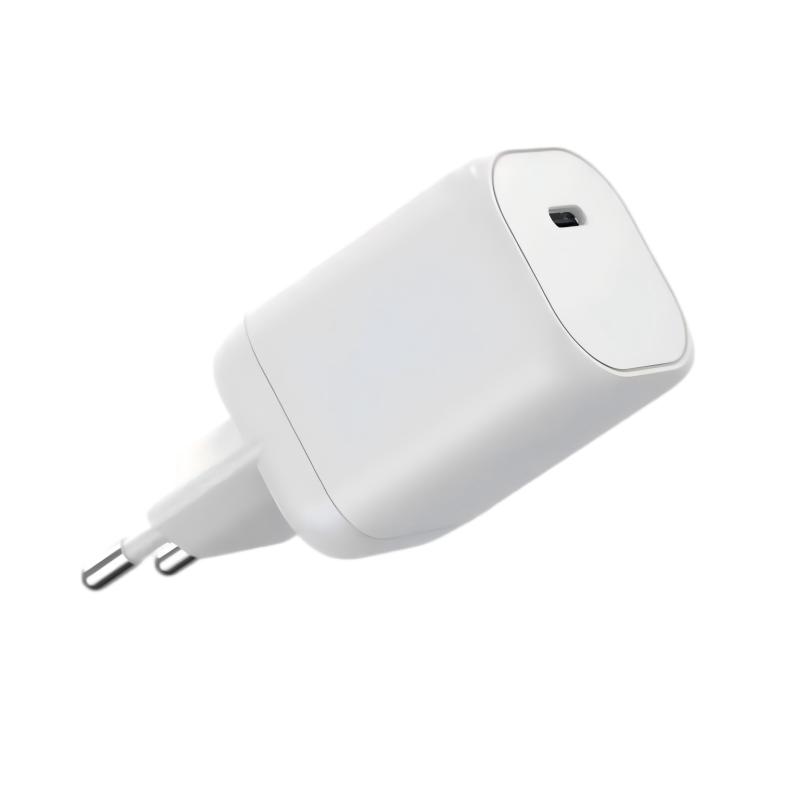
Most of our charger samples meet the no-load power target, but a few read higher. What causes the spread, and how do we fix it?
Short answer: No-load power is the small amount a charger draws with nothing connected. It varies between samples because of component tolerances, leakage in filter parts, differences in the controller’s standby behaviour and the way it is measured. Find the cause by checking the test set-up first, then compare good and bad units part by part.
What no-load power is
It is the power drawn from the wall when the charger is plugged in and the device is not connected. In a well-designed charger it is very small, but it is measured with precise equipment, so small differences show up.
Common causes of spread
- Measurement method. Test voltage, frequency, warm-up time, meter type and averaging time all change the reading.
- Controller behaviour. Chargers drop into a low-power “burst” mode. If a sample enters it later, or less deeply, the average is higher.
- Filter and leakage. Capacitors across the mains line and resistors that discharge them draw a little each. Tolerances differ between parts.
- Feedback components. Slight differences in the feedback network change standby current.
- Transformer variation. Winding and gap tolerances change losses.
- Temperature. A warm charger can behave differently from a cold one.
How to investigate
- Re-measure the high samples with the same set-up as the good ones, after the same warm-up.
- Swap the controller or main components between good and bad units, if the factory can.
- Measure at the different input voltages the charger is rated for.
- Compare date codes and component batches.
- Look at the design margin. If good samples are only just under the target, the spread will cause failures.
What to do
- Ask the factory for a design margin below the limit, not just under it.
- Fix the test method in writing, with equipment details.
- Use a sample of production units for the final check.
Why it matters
Energy rules in the US and Canada set limits on no-load and efficiency for covered chargers, so a unit above the limit can be a compliance problem, not just a data point.
Record the findings
Keep the data, the cause and the corrective action with the sample file.
Quick summary
Spread in no-load power usually comes from test set-up and component tolerance, not from a single broken part. Fix the method, add design margin and test production units, so the result you see is the result you ship.
Sources checked on 24 Oct 2026: U.S. Department of Energy: External power supplies; Natural Resources Canada: External power supplies.
Where this answer says to confirm with Wecent, the detail is not published on the product page and has to come from the datasheet or the factory. General facts come from the regulators, standards bodies or device makers named in the text.
Three more perspectives
Products discussed in this thread


Related articles & topics
Have a sourcing question about your own programme?
Ask our team More Factory & QC failure analysis questions