
Talk · Selection · Travel plugs, form factor & materials
Should a travel kit include a pouch, and what should it be made of?
A simple pouch is usually worth adding to a travel kit, because it keeps small parts together and protects the charger from scratches.
 Wecent Editorial Team
Updated
3 min read
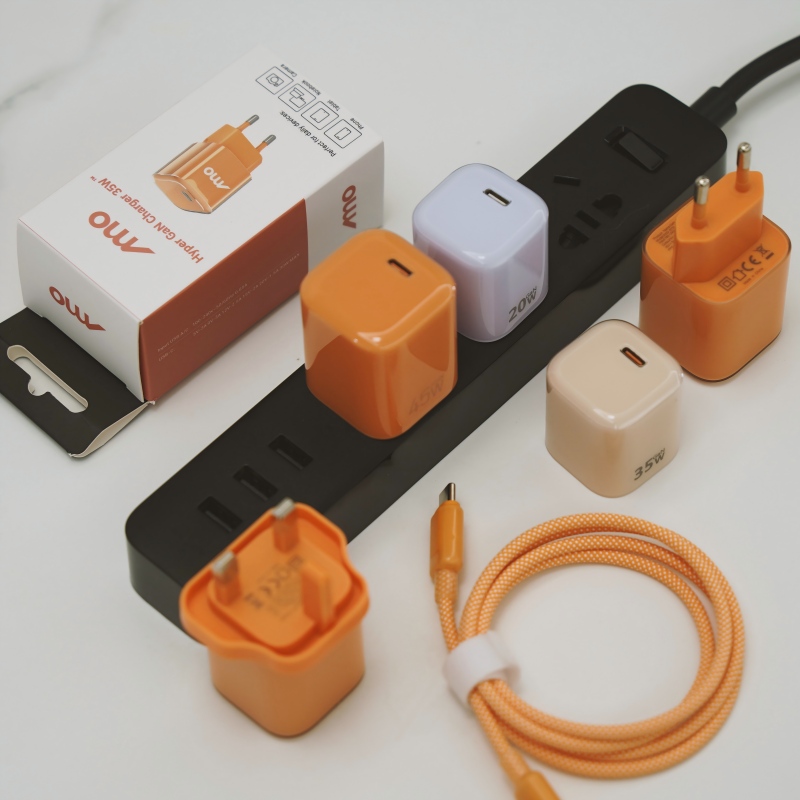
We sell a travel charger kit with a charger, cable and plug adapters. A reviewer suggested adding a pouch. Is it worth it, and what material should it be?
Short answer: A simple pouch is usually worth adding to a travel kit, because it keeps small parts together and protects the charger from scratches. Choose a material that is sturdy, cleanable and fits the contents with room for the cable. It adds a little cost but often reduces complaints about lost parts and damaged finishes.
Why a pouch helps
A travel kit has several small parts. Without a pouch they rattle around in a bag, the cable tangles and the plug adapters get lost. A pouch makes the kit feel complete and makes it easier to find items quickly.
What a pouch should do
- Hold the charger, cable and adapters without squeezing them.
- Keep parts from scratching each other.
- Close securely so nothing falls out.
- Be easy to open with one hand.
Material choices
- Nylon or polyester. Light, durable and low cost. A common default.
- Neoprene. Soft and padded, which protects glossy shells, but it can be bulkier.
- Leatherette or PU. Looks premium and suits gift sets, but may crack or peel with age.
- Mesh pockets. Allow a view of the contents and help sort small parts, but offer less protection.
- Hard cases. Strong protection, but bulky and more expensive.
Size and design
Make the pouch only slightly larger than the contents, so the kit stays compact. An internal divider or elastic loops keep the cable and adapters from sliding about. Avoid metal zips that scratch the charger, or line the zip area.
Cost and returns
A basic pouch costs little in volume, compared with the cost of a return. If reviews mention a scratched shell or a missing adapter, a pouch can fix both. If margins are tight, offer the pouch as an upgrade or in a premium kit.
Branding and sustainability
A pouch is a good place for a logo. Some buyers prefer recycled fabrics, and if you claim recycled content, keep the supplier’s evidence.
Test it
Pack a sample kit, shake it, drop it and open it a hundred times. Check stitching, zips and the fit of each part.
What to say in the listing
State the pouch material, its approximate size and what fits inside it, with a photo of the kit packed. Buyers often return a kit because it was smaller or flimsier than they pictured, so a clear picture of the packed kit prevents that complaint and sets honest expectations.
Where this answer says to confirm with Wecent, the detail is not published on the product page and has to come from the datasheet or the factory. General facts come from the regulators, standards bodies or device makers named in the text.
Three more perspectives
Products discussed in this thread
Related articles & topics
Have a sourcing question about your own programme?
Ask our team More Travel plugs, form factor & materials questions