
Talk · Use · Business & shared deployment
What charging does a food truck or market stall need for customers?
Offer a small number of fast USB-C ports and a few fixed cables, not a large bank of outlets.
 Wecent Editorial Team
Updated
3 min read
We run a food truck and a weekend market stall. Customers wait and ask to charge their phones. What kind of charging is practical, and how much should we offer?
Short answer: Offer a small number of fast USB-C ports and a few fixed cables, not a large bank of outlets. Customers want a top-up of a few minutes while they wait, and a truck or stall has limited power, little space and a lot of grease, dust and weather. Keep it simple, visible and easy to replace.
What customers actually need
Most people waiting for food want enough charge to get home or through the evening. A few minutes on a fast port gives a useful top-up, so you do not need a seat for every phone. Plan for a handful of ports, not a dozen.
Power is the real limit
A truck or stall often runs on a generator, inverter or one shared circuit. Add up what the fryer, fridge and lights already use before you add chargers. Chargers draw little compared with cooking equipment, but a 4-port charger on an overloaded extension lead is a fault waiting to happen. Ask whoever supplies or wires the power to confirm there is spare capacity.
Which type to use
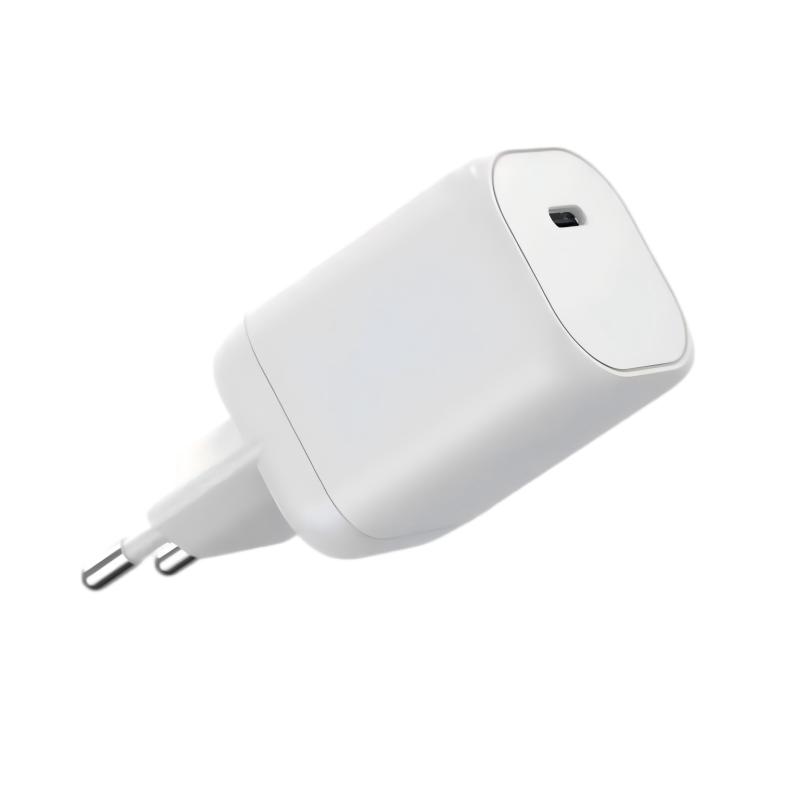
- USB-C wall charger with several ports. Cheap, fast and easy to replace. Mount it where it is out of splashes.
- Fixed cables. Offer one or two cables with common connectors, tethered to the counter so they do not walk off.
- Wireless pad. Convenient for newer phones, but slower, and a phone left on a greasy pad slides around. Offer one or two at most.
- Power bank rental. Only if you can track it, because deposits and returns add work.
Practical details
- Place the charger at the pick-up window, where customers wait and staff can see it.
- Use a splash cover or a sheltered spot and wipe the area with the rest of the counter.
- Tell customers the time limit, for example “top-up while you wait”.
- Check cables at the start of each day. Frayed or bent plugs should be thrown away.
- Do not leave phones unattended unless you are happy to be responsible for them.
Cost and returns
A small set of branded chargers and tethered cables is a modest cost compared with the goodwill it earns. Choose chargers with clear markings and a supplier who can replace them quickly.
Where this answer says to confirm with Wecent, the detail is not published on the product page and has to come from the datasheet or the factory. General facts come from the regulators, standards bodies or device makers named in the text.
Three more perspectives
Products discussed in this thread


Related articles & topics
Have a sourcing question about your own programme?
Ask our team More Business & shared deployment questions