
Talk · Compliance · EU, UK & other-market rules
What does PSE mean for chargers sold in Japan?
PSE is the mark under Japan's Electrical Appliances and Materials Safety Act (DENAN). AC adapters are 'specified' products needing the diamond PSE mark and a conformity assessment by a registered body; power banks fall under the round PSE mark. The Japanese importer carries the main duties.
 Wecent Editorial Team
Updated
2 min read
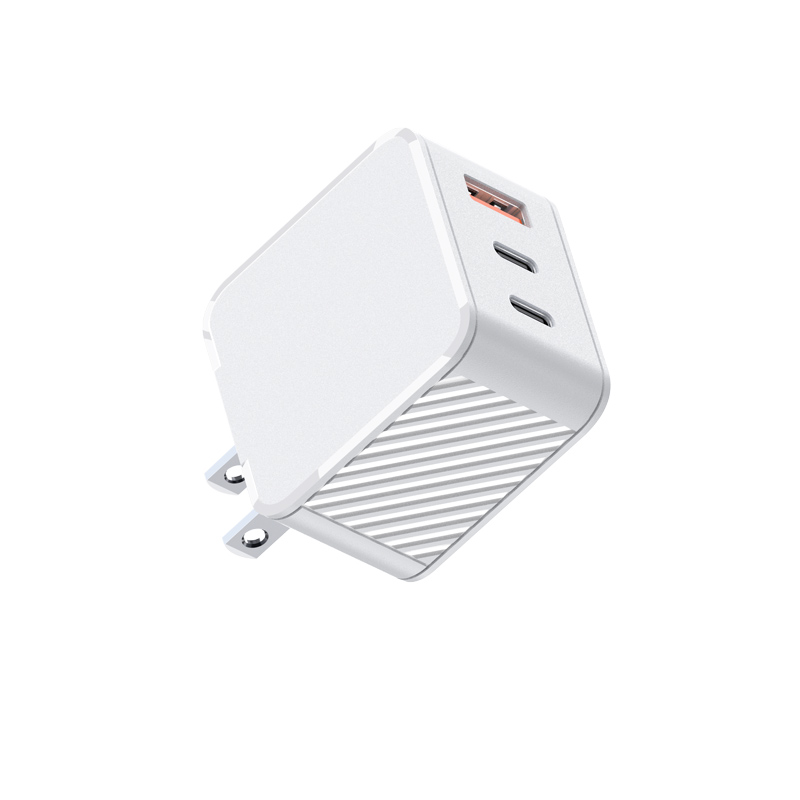
A Japanese distributor wants to sell our USB-C chargers. They mention PSE. What does that involve?
Short answer: PSE is the conformity mark under Japan’s Electrical Appliances and Materials Safety Act (DENAN). AC adapters, which include USB chargers that plug into the mains, are classified as Specified Electrical Appliances and Materials and need the diamond-shaped PSE mark. That requires testing and a conformity assessment certificate from a registered conformity assessment body, plus duties for the business that notifies METI, normally the Japanese importer: notification, conformity with technical requirements, inspections and records. Lithium-ion power banks fall under the non-specified category with the round PSE mark.
Two categories
- Specified products (diamond PSE): higher-risk items, including AC adapters. They need conformity assessment by a registered conformity assessment body and a certificate, in addition to the importer’s own duties.
- Non-specified products (round PSE): the importer or manufacturer self-declares conformity after testing. Lithium-ion storage batteries, including power banks, fall here.
Who is responsible
The business that manufactures or imports the product into Japan is the notifying business. It submits a notification to METI, ensures the product meets the technical standards, carries out inspections, keeps records and labels the product. A foreign factory can’t fulfil these duties alone; a Japanese importer or distributor is needed.
Testing and standards
Chargers are tested against Japan’s technical requirements, which can be met through DENAN’s own standards or Japanese standards harmonised with IEC standards, with Japanese deviations. CB reports may support testing but don’t replace the conformity assessment for specified products.
Labelling
The label typically includes the diamond PSE mark, the name of the registered conformity assessment body, the name of the notifying business, and the rated values. Japanese plug type (type A) and 100V input must be supported.
Distributor discussion
- Confirm the distributor will act as the notifying business.
- Agree who pays for testing and the conformity assessment.
- Provide technical documents, test reports and samples.
- Agree on label artwork with the distributor’s name.
Timing
Testing and certification take time. Plan the market entry with a buffer, and don’t ship stock before the label and certificate are ready.
What to confirm with Wecent
Ask whether any models already have PSE certification through other customers, and whether test data for Japanese requirements exists. Check current requirements on METI’s English pages or with a Japanese test body; this summary isn’t legal advice.
Where this answer says confirm with Wecent, the detail is not published on the product page and has to come from the datasheet or the factory. General facts come from the standards bodies, regulators or device makers named in the text.
Three more perspectives
Products discussed in this thread


Related articles & topics
Have a sourcing question about your own programme?
Ask our team More EU, UK & other-market rules questions