
Talk · Use · Everyday home & office use
Should users unplug the cable from the phone first or the charger from the wall?
For a well-made USB-C charger, either order is fine. Pull by the plug, not the cable, don't leave a cable dangling from a live charger where it can be stepped on, and unplug chargers that won't be used for a long time.
 Wecent Editorial Team
Updated
3 min read
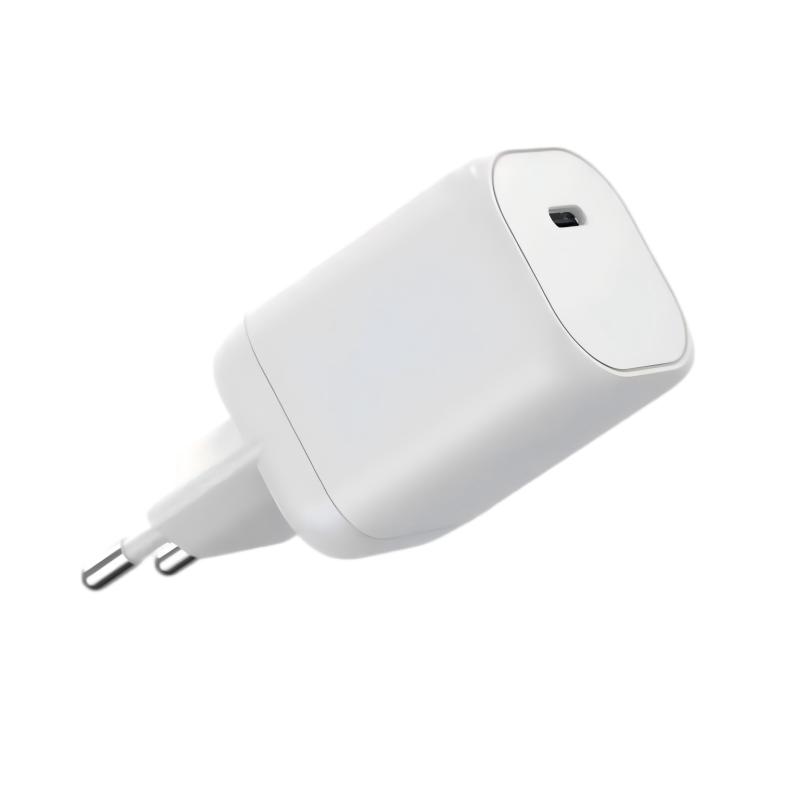
A customer asked whether it’s better to unplug the phone first or the charger from the wall first, because they heard one order is harmful. What’s the right advice?
Short answer: For a properly designed USB-C charger, either order is fine; the charger and phone handle connection and disconnection safely. What matters more is how you unplug: hold the plug body, not the cable, avoid yanking at an angle, and don’t leave the charger and cable where they can be stepped on or pulled. If a charger won’t be used for a long time, unplugging it from the wall is sensible.
Why the order doesn’t matter much
USB-C chargers start at a safe 5V and only raise voltage after the device negotiates. When the device disconnects, the charger returns to its default state. Phones and laptops are designed for frequent connection and disconnection. There’s no surge from unplugging either side in normal use.
Good unplugging habits
- Hold the plug body, not the cable, when unplugging from the phone or the charger.
- Pull straight out, not at an angle, to avoid bending the USB-C connector.
- Remove the charger from the wall by holding its body.
- Don’t pull the charger out of the wall by its cable.
Leaving chargers plugged in
Modern chargers use very little power with nothing connected; in the EU, Ecodesign rules limit no-load consumption to 0.10W for most chargers up to 49W and 0.21W above. Leaving one plugged in at a bedside or desk is fine. For long absences, unplugging saves a little energy and removes the charger from the mains.
Cables left plugged into chargers
A cable left in a live charger is normally safe. Keep the free end away from liquids and metal objects, and don’t leave it where pets or children can chew it.
When to unplug immediately
- The charger is damaged, hot, smells or makes noise.
- Liquid has been spilled on it.
- The cable is damaged.
Laptops and multi-port chargers
On multi-port chargers, unplugging one device may briefly pause others while power is redistributed. That’s normal.
What to tell customers
“Either order is fine. Unplug by the plug, not the cable, and remove the charger from the wall if it’s damaged or you won’t use it for a while.”
Why this question comes up
Older advice about sparks or surges came from older chargers and other appliances. Today’s USB-C chargers are designed for frequent connect and disconnect. Clear, simple advice helps users feel confident without making unnecessary rules.
Where this answer says confirm with Wecent, the detail is not published on the product page and has to come from the datasheet or the factory. General facts come from the standards bodies, regulators or device makers named in the text.
Three more perspectives
Products discussed in this thread

Related articles & topics
Have a sourcing question about your own programme?
Ask our team More Everyday home & office use questions