
Talk · Maintenance · Stock, warehouse & retail handling
How do we check chargers for wear before reissuing them to staff?
A five-minute check of housing, pins, ports, cable and a test charge catches nearly all worn units. Log the result so patterns show up.
 Wecent Editorial Team
Updated
3 min read
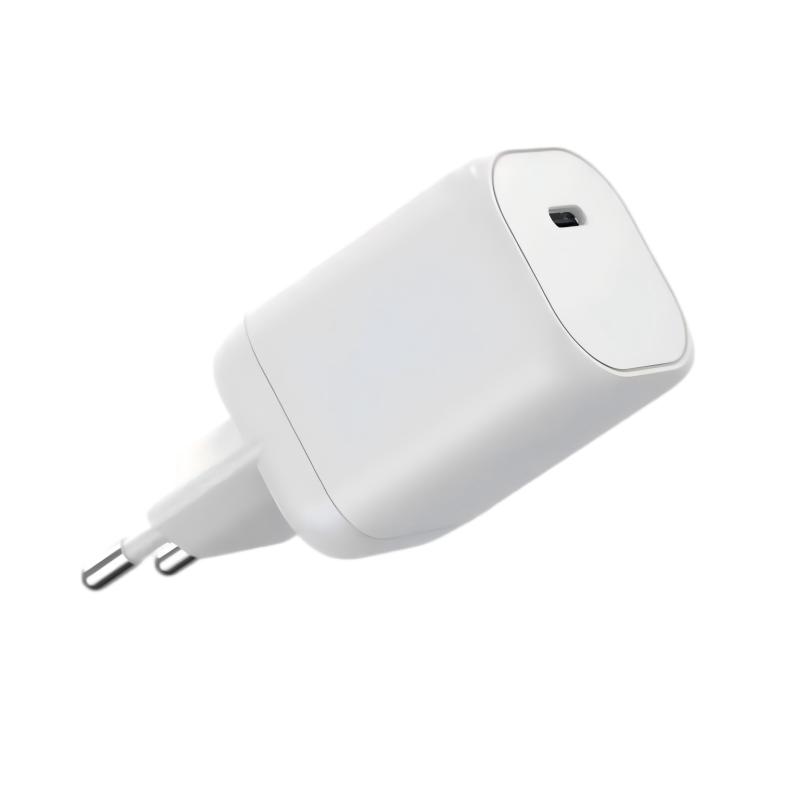
Our company pools chargers for staff and visitors. Units come back after events or trips. What should IT check before giving a charger to the next person, and how long does it take?
Short answer: Allow about five minutes per unit: look at the housing, plug pins and heads, ports and cable, then do a test charge with a known device and cable while checking for heat, smell or noise. Retire anything cracked, bent, discoloured or intermittent, and log the result.
The check, step by step
- Housing: cracks, chips, swelling, scorch marks, or a rattle when shaken lightly.
- Pins and plug heads: straight and firm, no discoloration; interchangeable heads click in and don’t wobble.
- Ports: no lint packed inside, no bent tongue in USB-C ports, cables seat firmly.
- Cable: no fraying, kinks or exposed shielding, connectors not loose.
- Test charge: connect a known device with a known cable for a few minutes. Charging should start promptly and stay stable. Note any unusual noise, smell or heat.
Retire, don’t repair
For staff use, don’t repair chargers or cables in-house. Retire units with physical damage, bent or loose pins, discoloration, intermittent charging, or any smell or loud noise. Repairs to mains equipment by untrained staff can create risks that the original certification didn’t cover.
What to record
- Batch or date code from the label.
- Date, inspector, result.
- Reason for retirement, if any.
Patterns are valuable. If one batch keeps failing at the same point, for example loose plug heads, report it to the supplier with the batch codes. It may be a production issue covered by warranty rather than wear.
Cleaning during the check
While the unit is in hand, wipe the housing with a dry cloth and clear any lint from the ports with a non-metal pick, after unplugging. Clean units are easier to inspect, and staff are more likely to look after a charger that looks well kept.
How often
Check every unit at each return from a loan, and do a broader check of stock periodically. Your workplace may already have rules for inspecting portable electrical equipment. Fit this routine into them.
Reduce wear in the first place
Issue chargers in pouches, keep cables separate from heavy items in bags, and include a short card on care. Most wear comes from cables bent at the connector and plugs knocked in transit.
Where this answer says confirm with Wecent, the detail is not published on the product page and has to come from the datasheet or the factory. General facts come from the standards bodies, regulators or device makers named in the text.
Three more perspectives
Products discussed in this thread



Related articles & topics
Have a sourcing question about your own programme?
Ask our team More Stock, warehouse & retail handling questions