
Talk · Troubleshooting · Factory & QC failure analysis
Why does a plug fail the pull-out or bending test?
A plug that fails the pull-out or bending test almost always has a retention problem: the blade is not held firmly by the moulded plastic, the plastic around the blade is too weak, or the blade itself is out of specification.
 Wecent Editorial Team
Updated
3 min read
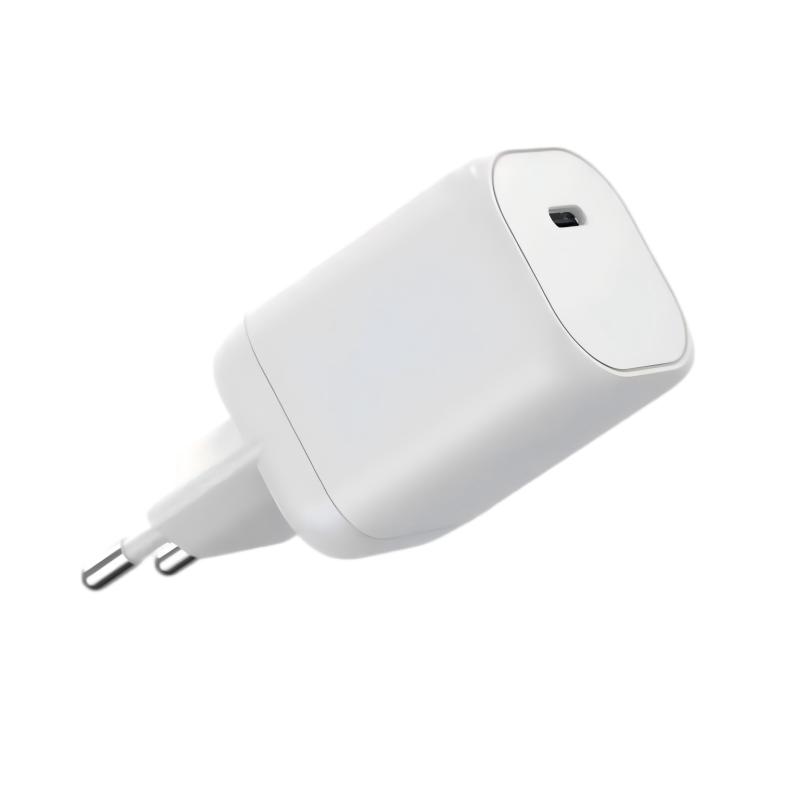
Several units from a wall-charger batch failed the plug pull-out and bending checks at incoming inspection. The factory says it is a one-off. What usually causes it, and how do we find out?
Short answer: A plug that fails the pull-out or bending test almost always has a retention problem: the blade is not held firmly by the moulded plastic, the plastic around the blade is too weak, or the blade itself is out of specification. A single bad lot of plastic or blades, or a changed process, is the usual trigger. Ask for a root cause by blade position and date code, not a general reassurance.
What the two tests check
The pull-out test applies a steady force along the blade to see whether it stays in the housing. The bending test pushes the blade sideways to see whether it moves, loosens or breaks the housing. Both stand in for what happens when a user pulls on the charger, or when it hangs from a loose wall socket.
Common causes
- Blade retention. Too little knurling or barbs on the blade root, a blade insert that is not fully seated, or a blade pressed in with the wrong force.
- Plastic around the blade. Thin walls, a weld line right at the blade, or a material grade that is brittle. Plastic that was not dried before moulding often cracks under load.
- Blade material. A blade that is too soft will bend, and one that is too hard can crack. A different supplier or batch can change this.
- Moulding process. A temperature or pressure change, or a different mould cavity, can weaken the zone where plastic flows around the blade.
- Assembly. Screws or ultrasonic welding that were skipped or under-tightened let the two halves flex.
- Test setup. The wrong fixture, a different speed of loading, or a sample that was not conditioned the same way.
How to find the cause
- Sort the failures by blade (line, neutral or earth), cavity and date code.
- Cut or open a few failed units and look at the blade root and the plastic around it.
- Compare with passing units from the same lot, and with an approved golden sample.
- Check the material certificate and the blade supplier record for any change.
- Repeat the test on a second fixture with the method written in the approved report.
What to ask the factory for
Ask for a written root-cause report with photos, the corrective action, and a re-test of retained samples from every cavity. If the cause is the blade or plastic supplier, ask for incoming checks on the new lot before more units ship.
Do not accept packaging as the answer
A stronger carton protects the charger in transit, but customers pull plugs out of walls every day. A weak blade seat is a safety and returns problem that needs a design or process fix.
Where this answer says to confirm with Wecent, the detail is not published on the product page and has to come from the datasheet or the factory. General facts come from the regulators, standards bodies or device makers named in the text.
Three more perspectives
Products discussed in this thread


Related articles & topics
Have a sourcing question about your own programme?
Ask our team More Factory & QC failure analysis questions