
Talk · Maintenance · Stock, warehouse & retail handling
How should batch codes be recorded in a warehouse system?
Capture the batch code at receipt by scanning or typing it, store it as a field on every stock record, make picking and shipping record the batch that leaves and keep it linked to orders and customers.
 Wecent Editorial Team
Updated
3 min read
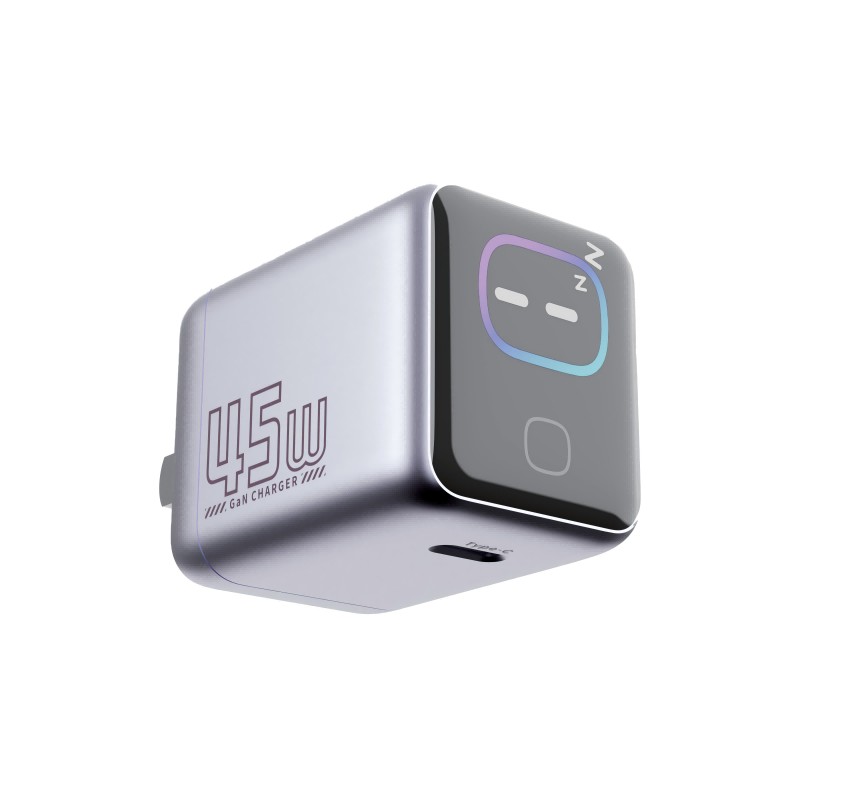
We want to be able to find every customer who received a specific production batch of chargers. How should the warehouse record batch codes?
Short answer: Capture the batch code at receipt by scanning or typing it, store it as a field on every stock record, make picking and shipping record the batch that leaves and keep it linked to orders and customers. Test the system by tracing a batch from receipt to customers. Without this, a small problem can become a large recall.
Why it matters
If a defect or a safety issue is found in one batch, you need to know where those units are now. With batch records, you can stop, quarantine or recall only the affected units. Without them, you may have to treat everything as suspect.
At receipt
- Read the batch or date code from the carton label.
- Scan or enter it into the system against the purchase order.
- Check that it matches the supplier’s documents.
- Record the quantity per batch, and the location.
Store the right fields
- Product and variant.
- Batch or lot code and production date.
- Supplier and order.
- Quantity and location.
- Quality status: available, quarantined or blocked.
- Expiry or review date, where relevant.
Picking and shipping
Make the system record which batch goes into each order. Use scanning where possible to avoid typing errors. If mixed batches are shipped in one order, record them all.
First in, first out
Use batch dates to rotate stock so older batches ship first, unless a special rule applies.
Block and quarantine
Make it possible to block a batch in the system immediately, so no more units are picked.
Test traceability
Pick a batch and ask: where are all its units? Trace to stock and customers within a few hours. Do it again after any system change.
Share with partners
Distributors and retailers should record batches too, or at least keep the shipment documents showing them.
Quick summary
Scan at receipt, store the batch on every record, pick and ship by batch, and test the trace.
Example trace
A customer reports a faulty charger with batch code B2610. The warehouse searches the batch and finds three hundred units remaining in stock, which are blocked, and shipments to forty customers over two weeks. The team contacts each customer with an exact list. Without batch records, the same problem would require checking every unit and every order, and many customers would be told unnecessarily.
Common mistakes
Typing codes by hand without checking, combining batches under one stock code and failing to record the batch at shipment. Fix these three points and most of the value of traceability is achieved with little extra cost.
Where this answer says to confirm with Wecent, the detail is not published on the product page and has to come from the datasheet or the factory. General facts come from the regulators, standards bodies or device makers named in the text.
Three more perspectives
Products discussed in this thread

Related articles & topics
Have a sourcing question about your own programme?
Ask our team More Stock, warehouse & retail handling questions