
Talk · Troubleshooting · Factory & QC failure analysis
Why do coil-based chargers show different efficiency from lot to lot?
Efficiency in a wireless charger depends on small physical details: the coil winding, the ferrite shield, the gap between coil and surface and the tolerance of capacitors and other parts.
 Wecent Editorial Team
Updated
3 min read
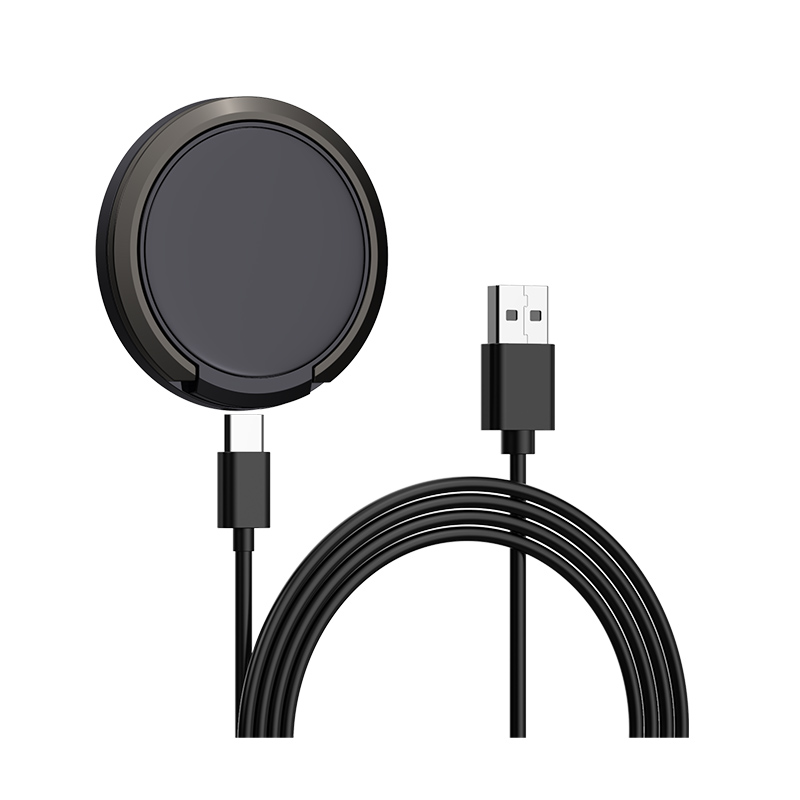
The efficiency of our wireless chargers is good in some lots and worse in others. What causes lot-to-lot variation, and how do we control it?
Short answer: Efficiency in a wireless charger depends on small physical details: the coil winding, the ferrite shield, the gap between coil and surface and the tolerance of capacitors and other parts. Variation in any of these changes losses and heat. Control it with tight coil and ferrite specifications, assembly gap checks and an efficiency test on samples of every lot.
Why small changes matter
A wireless charger works by moving energy between two coils across a small gap. The energy transfer depends on how well the coils couple, and on the resonant circuit being tuned. Small differences in any part can shift the tuning or increase heat.
Common sources of variation
- Coil winding. Turn count, wire thickness, spacing and shape change inductance.
- Ferrite plate. Material grade, thickness and flatness affect the field.
- Coil position. A coil sitting slightly lower or tilted increases the gap.
- Adhesive and pads. Uneven thickness adds distance.
- Capacitor tolerance. Resonant capacitors drift, shifting the tuning.
- Surface thickness. The top plate changes the gap.
- Temperature. Warm parts behave differently.
- Test method. Different phones, positions or loads give different readings.
How to control it
- Specify the coil by measured inductance and resistance, with tolerance.
- Check ferrite material and thickness on incoming parts.
- Measure the stack height and coil position on first-off samples.
- Use tighter-tolerance capacitors where the tuning is sensitive.
- Fix the test method: phone or load, position, power and temperature.
- Test efficiency on samples from every lot and record the results.
What to do when a lot is low
Compare against a good lot. Measure coil inductance, gap and component values. Test with a standard receiver rather than a phone, to remove the phone from the equation. Decide whether the lot is within tolerance, needs rework or must be rejected.
Record the data
Chart efficiency by lot, so drift becomes visible before a failure.
Quick summary
Control coil, ferrite, gap and capacitors, standardise the test and measure every lot.
Use a reference receiver
Keep a standard test receiver, with known coil and load, in the lab and in the factory. Measuring every lot with the same receiver separates changes in the charger from changes in the phone or test set-up. Check the receiver itself regularly against a reference unit so that drift in the test tool does not mislead you.
Where this answer says to confirm with Wecent, the detail is not published on the product page and has to come from the datasheet or the factory. General facts come from the regulators, standards bodies or device makers named in the text.
Three more perspectives
Products discussed in this thread
Related articles & topics
Have a sourcing question about your own programme?
Ask our team More Factory & QC failure analysis questions