
Talk · Use · Travel & flying
Can a charger be used with a portable power station or a camper-van inverter?
Yes, in most cases.
 Wecent Editorial Team
Updated
3 min read
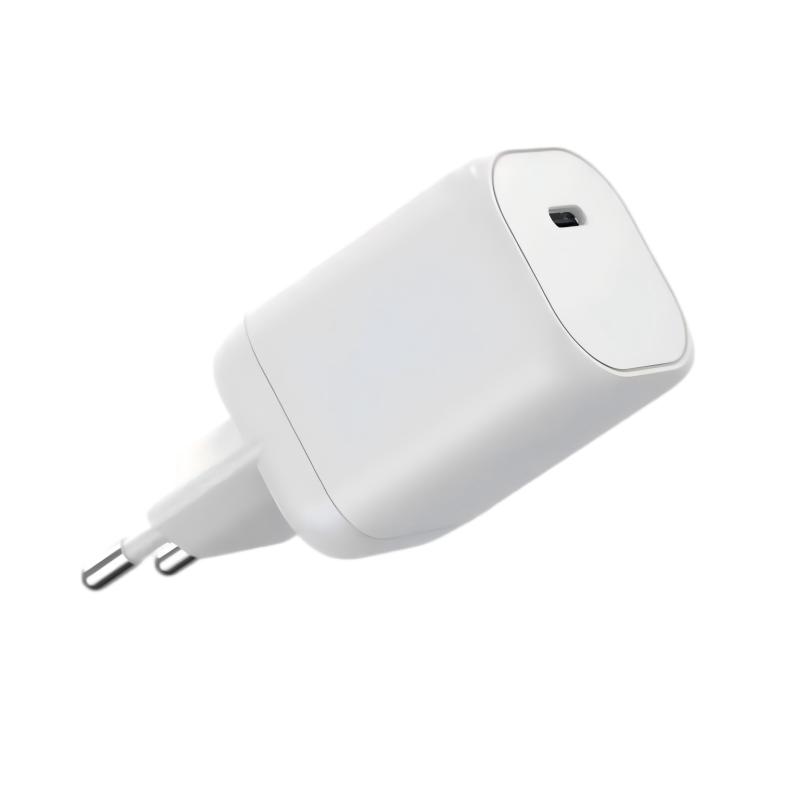
We have a portable power station and a camper-van inverter. Can we plug our usual chargers into them without damage?
Short answer: Yes, in most cases. Both supply AC power that normal chargers can use, as long as the output voltage and frequency match the charger’s rating and the total load is within the unit’s limit. Check the power rating, waveform type and protections, and use equipment in good condition. Many power stations also have direct USB ports, which are simpler for phones.
How it works
A portable power station contains a battery and an inverter that produces AC power, plus DC and USB outputs. A camper-van inverter converts the vehicle’s battery power to AC. A charger connected to the AC outlet works as it would from a wall socket.
Check before connecting
- Voltage and frequency. Make sure the output matches your region and your charger’s rated input.
- Power rating. Add up all the chargers and devices you connect. Stay below the continuous rating.
- Waveform. Pure sine wave outputs are the safest match for electronics. Some modified sine wave inverters can cause chargers to run hot or noisy.
- Protections. Look for overload, short-circuit and over-temperature protection.
- Safety marks. Use equipment with recognised marks from reputable makers.
Use USB ports where possible
For phones and small devices, the built-in USB ports are efficient, since they avoid converting power twice. Use an AC outlet for laptops or equipment that requires it.
Safe practice
- Keep power stations and inverters ventilated and dry.
- Do not cover them or use them near flammable materials.
- Protect cables from damage and keep them tidy.
- Do not use damaged chargers.
- Follow the maker’s instructions for installation, especially for vehicle wiring.
Capacity and runtime
A power station’s capacity is stated in watt-hours. Estimate your daily usage and compare it with the capacity, with a margin.
Quick summary
Chargers generally work on power stations and inverters if the voltage, load and waveform are right. Use USB ports for phones where possible.
Practical example
If your power station is rated for a certain continuous output and you run a laptop charger, a phone charger and a small fan, add up the three ratings. If the sum is near the limit, charge the laptop first and the phone afterwards. Stay well within the limit to protect both the unit and your equipment.
Keep records
Note which chargers you have used with which power source and whether any ran hot or noisy. This simple log helps you find a charger that does not suit a particular inverter, and shows you which ones are reliable on the road.
Where this answer says to confirm with Wecent, the detail is not published on the product page and has to come from the datasheet or the factory. General facts come from the regulators, standards bodies or device makers named in the text.
Three more perspectives
Products discussed in this thread

Related articles & topics
Have a sourcing question about your own programme?
Ask our team More Travel & flying questions