
Talk · Use · Travel & flying
Can I fly with a power bank that is swollen or damaged?
No.
 Wecent Editorial Team
Updated
3 min read
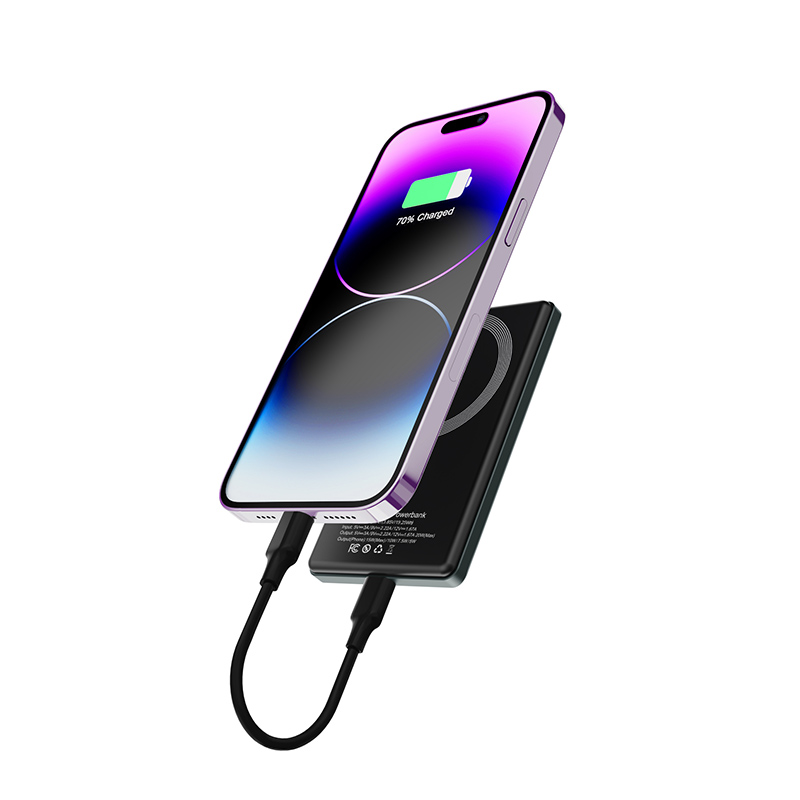
My power bank looks puffy and the case has a crack. Can I take it on a plane?
Short answer: No. A swollen or damaged lithium battery should not travel on a plane, in either carry-on or checked luggage. Canada’s airport screening authority says not to carry damaged or recalled batteries, and US screening rules put power banks in the cabin, not in checked bags. Stop using it, keep it away from heat and recycle it safely.
Why damaged batteries are a problem
A swollen or cracked power bank may have an internal fault. Gas builds up inside, and the battery can short-circuit, overheat or catch fire. A fire on a plane is a serious emergency.
What the authorities say
The Canadian Air Transport Security Authority advises travellers to avoid carrying damaged or recalled batteries on the plane. The Transportation Security Administration says power banks and spare lithium batteries belong in carry-on bags, not checked bags. The Federal Aviation Administration’s PackSafe guidance covers lithium batteries for air travel. Airlines can be stricter, so check yours.
What to do with a swollen or damaged power bank
- Stop using and charging it.
- Do not puncture, squeeze or open it.
- Put it on a hard, non-flammable surface, away from combustible items.
- Do not leave it in a hot car or in sunlight.
- Take it to a battery recycling or hazardous waste collection point, or contact the seller or the maker.
- If it is hot, smoking or burning, move away and call the emergency services.
Before you fly
Check the power bank’s condition. Look for bulging, cracks, heat marks, leaks or smell. If it looks wrong, leave it at home and buy a replacement at your destination.
Packing a good power bank
Keep it in your carry-on, in a pouch, away from metal objects. Check the watt-hour rating on the label and your airline’s rules.
For brands
Include a warning not to use or carry swollen batteries, and explain where to get help. Offer a replacement or return option for customers who report swelling.
Quick summary
Do not fly with a swollen or damaged power bank. Replace it and dispose of the old one safely.
Disposal and replacement
Do not put a swollen power bank in household waste or recycling bins. Many retailers and local collection sites take lithium batteries, so ask about drop-off. When you buy a replacement, choose a unit with a recognised safety mark and a clear watt-hour rating, and keep a record of the purchase in case of warranty or recall.
Sources checked on 24 Oct 2026: CATSA: Guidelines for batteries; TSA: Power banks; FAA PackSafe: Lithium batteries.
Where this answer says to confirm with Wecent, the detail is not published on the product page and has to come from the datasheet or the factory. General facts come from the regulators, standards bodies or device makers named in the text.
Three more perspectives
Products discussed in this thread
Related articles & topics
Have a sourcing question about your own programme?
Ask our team More Travel & flying questions