
Talk · Troubleshooting · Heat, noise & safety signs
Why does one side of a charger get hotter than the other?
Usually it is normal.
 Wecent Editorial Team
Updated
3 min read
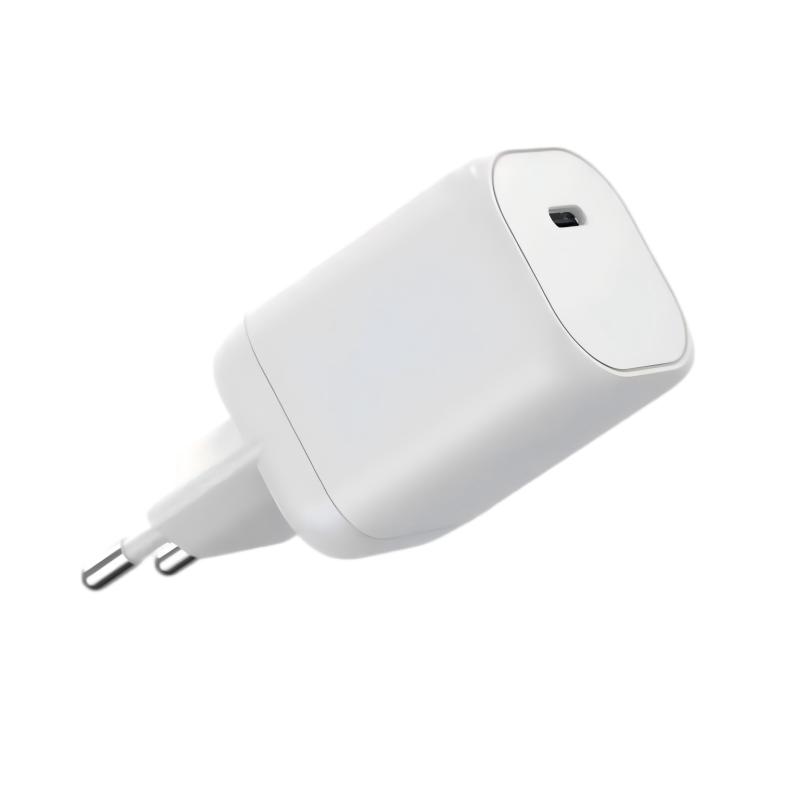
My charger is clearly warmer on one side than the other. Is that normal, or a sign of a fault?
Short answer: Usually it is normal. The heat comes from specific parts inside, such as the transformer and the switching components, and those sit on one side of the circuit board. The case is warmest next to them. It is a concern only if the charger gets too hot to hold, smells, changes colour or the warm spot keeps growing.
Heat comes from parts, not evenly from the whole case
A charger converts mains power into low-voltage DC, and a few parts do most of the work: the transformer, the power switches, the rectifier and the output stage. These parts lose a little energy as heat. They are placed on a circuit board, so the plastic nearest them warms more.
Why the sides differ
- Part layout. The hottest parts are usually grouped on one side of the board.
- Airflow. Heat leaves faster from the side with more exposed surface or air movement.
- Orientation. Warm air rises, so the upper side of a plugged-in charger tends to run warmer.
- Contact. The side touching a wall, a table or a cloth loses heat more slowly.
- Internal gaps. Potting, foam or air gaps change where heat flows.
What is normal
A charger may feel warm, even quite warm, after charging a phone or laptop for a while, especially at high power. A temperature difference between the two sides is expected. Chargers are designed and tested so that the outer case stays within safe limits under normal conditions.
When to be careful
- The charger is too hot to touch comfortably, or hotter than before.
- It has a burning smell, buzzing or crackling.
- The case is discoloured, soft or deformed.
- The warmth appears in a charger that used to stay cool.
- The charger is damaged, wet or has a loose plug.
If any of these appear, unplug it and stop using it.
How to keep it cooler
Give it open space, avoid covering it, plug it directly into the wall where possible and avoid charging in direct sun or in a hot car.
For brands
Take thermal photos of prototypes. They show where the hot spot is and help you place the logo and any touch surface away from the warmest area.
Where this answer says to confirm with Wecent, the detail is not published on the product page and has to come from the datasheet or the factory. General facts come from the regulators, standards bodies or device makers named in the text.
Three more perspectives
Products discussed in this thread


Related articles & topics
Have a sourcing question about your own programme?
Ask our team More Heat, noise & safety signs questions