
Talk · Troubleshooting · Factory & QC failure analysis
Why does the same charger pass in one lab and fail in another?
Two labs can give different results on the same charger because of differences in setup, cables, equipment, load conditions, interpretation of the standard and sample variation.
 Wecent Editorial Team
Updated
3 min read
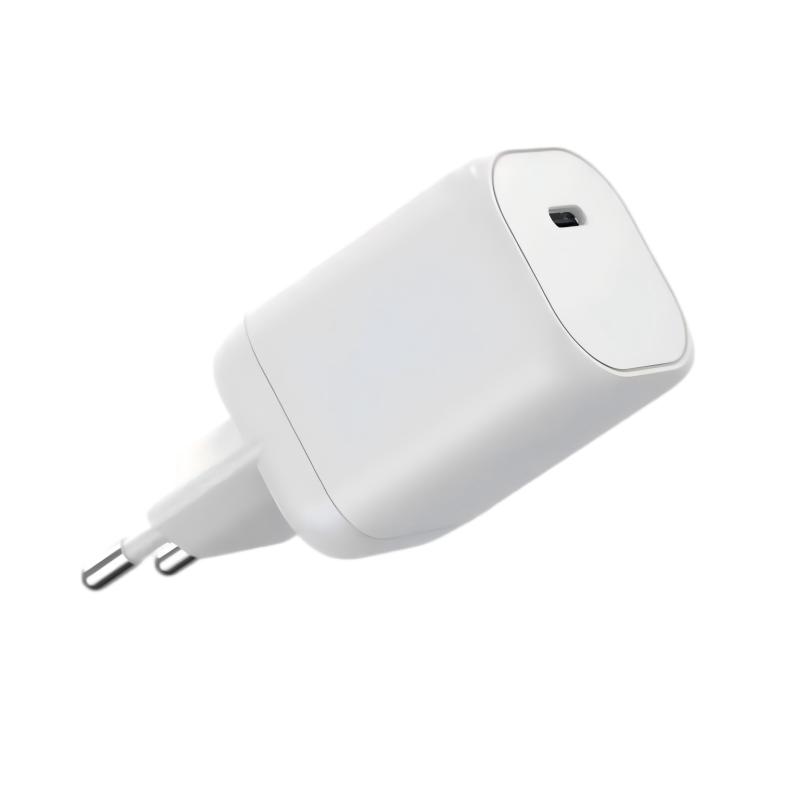
Our charger passed an emissions test at the factory’s lab but failed at the lab our retailer insists on. The factory blames the retailer’s lab. How can the same product give two results?
Short answer: Two labs can give different results on the same charger because of differences in setup, cables, equipment, load conditions, interpretation of the standard and sample variation. A product that passes by a small margin is the most likely to flip. Resolve it by comparing test setups line by line and fixing the margin, not by shopping for a friendlier lab.
Why results differ
Test results come from a chain: sample, setup, equipment, method and judgement. Small differences anywhere can move a borderline result across the limit.
Common causes of disagreement
- Setup. Cable length and position, which load is used, how the charger is oriented and where the sample sits on the table.
- Load conditions. A different phone, a different electronic load or a different power level can change emissions or efficiency.
- Equipment. Different antennas, receivers, chambers and calibration schedules give slightly different readings.
- Method and edition. Labs may follow different editions of a standard, or interpret an option differently.
- Sample variation. Components and assembly differ unit to unit. A weak unit fails and a strong one passes.
- Environment. Temperature, humidity and ambient noise matter for some tests.
- Margin. A result very close to the limit can pass or fail with small changes.
How to resolve a conflict
- Ask both labs for their full setup descriptions, photographs and raw data.
- Compare the standard edition, test conditions and configuration of the charger.
- Check whether both labs tested the same version and the same number of samples.
- Look at the margin to the limit in each result. A pass with almost no margin is not a solid pass.
- Ask the labs to talk to each other, or involve the certification body.
Do not shop for a lab
Taking a failed product to a third lab until it passes hides a problem that may show up again in the market. If the retailer insists on a lab, treat that lab’s result as the one that counts for that sale.
Fix the margin
If the product passes only barely, improve the design: filtering, layout, shielding or load control. Aim for a comfortable margin so that normal variation and lab differences do not matter.
Write the method down
Agree the test configuration in the specification, including the cable, the load and the standard edition. A shared written method reduces arguments later.
Where this answer says to confirm with Wecent, the detail is not published on the product page and has to come from the datasheet or the factory. General facts come from the regulators, standards bodies or device makers named in the text.
Three more perspectives
Products discussed in this thread


Related articles & topics
Have a sourcing question about your own programme?
Ask our team More Factory & QC failure analysis questions