
Talk · Selection · Wired GaN chargers: wattage, ports & protocols
What is a USB-C charger, and how is it different from older chargers?
USB-C is the connector. USB Power Delivery is the protocol that sets the power. A good USB-C charger combines both and can serve phones, tablets and laptops.
 Wecent Editorial Team
Updated
3 min read
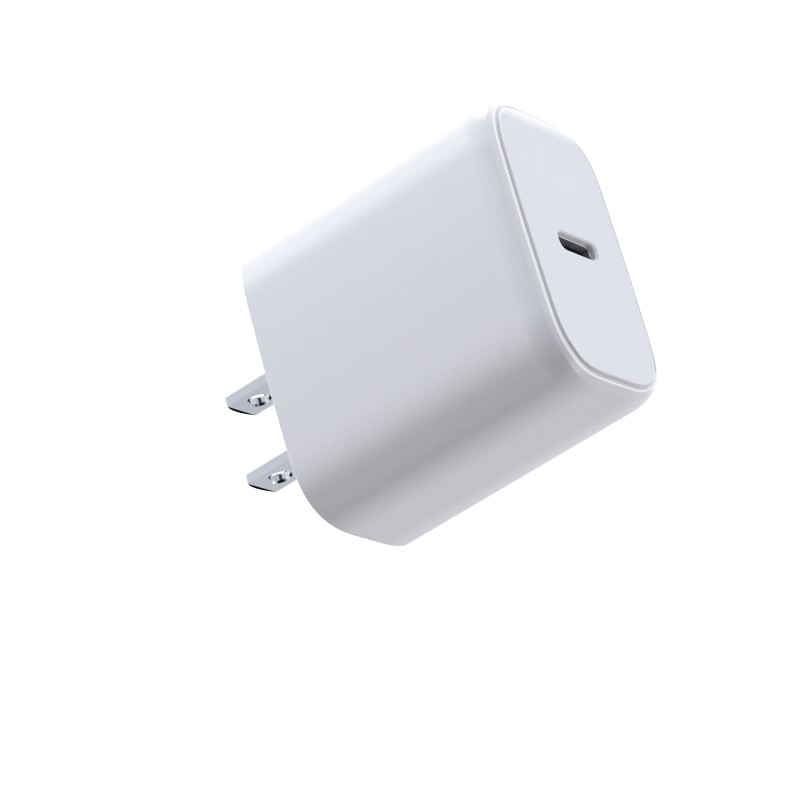
Customers ask us what makes a charger ‘USB-C’, whether it is the same as a ‘PD’ charger and whether one charger can really power a phone and a laptop. We need a clear answer that is accurate for product pages.
Short answer: USB-C is the shape of the connector. It says nothing about power. What sets how much power flows is the USB Power Delivery (PD) protocol, which the charger and device negotiate. A USB-C charger with PD can supply anything from a few watts for earbuds to 100W or more for a laptop.
Connector versus protocol
The USB Implementers Forum describes USB Type-C as a reversible connector. USB Power Delivery is a separate specification that negotiates how much power is sent. A USB-C port without PD may only offer basic 5V charging. A port with PD can agree on higher voltages with the device and deliver much more power.
What the wattage means
The wattage on a charger is its maximum output. A device only draws what it needs, so a 65W charger will charge a 20W phone at the phone’s speed. USB-IF states that USB PD 3.1 extends the range up to 240W, but that needs a charger, cable and device that all support the extended power range. For most buyers, 20W to 100W covers phones, tablets and thin laptops.
How a USB-C charger differs from older ones
- One port type can charge many device types, so a single charger can often replace several.
- Power is negotiated rather than fixed, which allows higher power without damaging low-power devices.
- Many models have more than one port and share the total output between them.
What to check before you buy
- PD support. Look for “USB Power Delivery” or “PD” on the product page, not just “USB-C”.
- Wattage for your device. Match the charger to the biggest device you want to charge.
- Port power sharing. A 65W two-port charger may drop to a lower figure per port when both are in use.
- The cable. For higher power, USB-IF says the cable must be rated for it, with certified cables labelled for 60W or 240W.
Common mix-ups
- “Fast charging” is a marketing phrase, not a measurement. Look for the wattage and the PD wording.
- An older USB-A charger can look similar in a drawer but usually offers far less power than a PD charger.
- The same cable can look identical and be rated very differently. Check the rating printed on the cable or its packaging.
GaN does not change the connector
GaN is a semiconductor material that allows smaller, cooler chargers. A charger can be GaN and have USB-C, but the two terms describe different things. See our separate post on GaN chargers.
Sources checked on 24 Oct 2026: USB-IF: USB Charger (USB Power Delivery); USB-IF: Cables and connectors.
Where this answer says to confirm with Wecent, the detail is not published on the product page and has to come from the datasheet or the factory. General facts come from the regulators, standards bodies or device makers named in the text.
Three more perspectives
Products discussed in this thread

Related articles & topics
Have a sourcing question about your own programme?
Ask our team More Wired GaN chargers: wattage, ports & protocols questions