
Talk · Maintenance · Stock, warehouse & retail handling
How should we store chargers to protect them from static and dust?
Keep chargers in their sealed retail packaging, in clean, dry storage away from heavy dust sources. Handle loose units at a workstation with suitable anti-static practice if you open or inspect them, and reseal packs after inspection.
 Wecent Editorial Team
Updated
3 min read
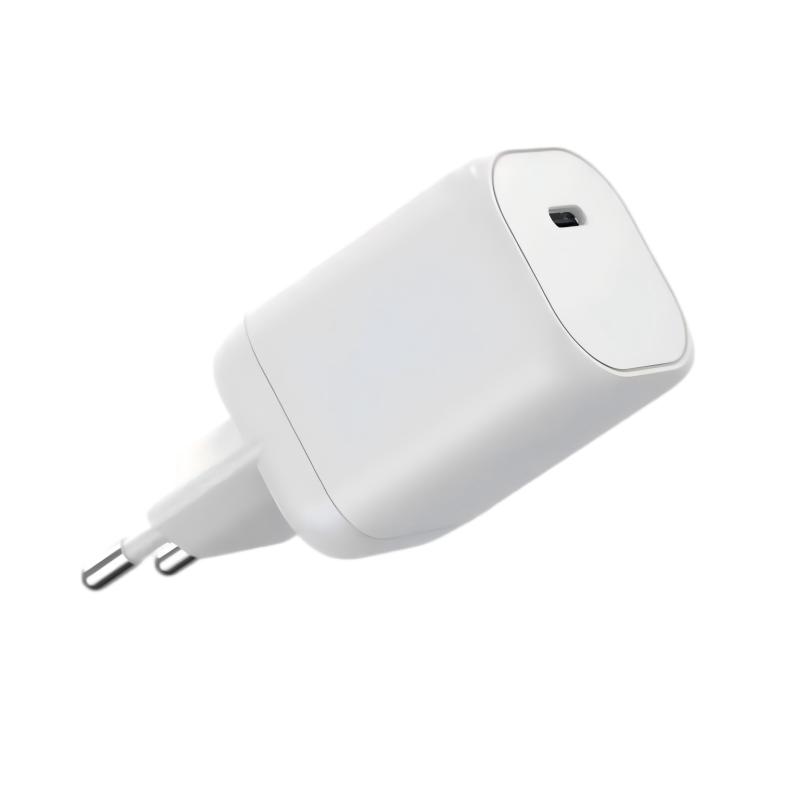
Our warehouse is dusty and dry in winter. How should we store chargers so they stay clean and aren’t harmed by static?
Short answer: Leave chargers in their sealed retail packaging until sale, and store cartons off the floor on shelves away from loading doors, cutting areas and other dust sources. Finished chargers are enclosed products, so normal handling is not usually a static risk, but if staff open units for inspection, do it at a clean bench and reseal packs afterwards. Ask Wecent whether any model has specific storage conditions in its manual.
Packaging is the first protection
A charger in its sealed box and inner bag is well protected against dust. Most dust problems in stock come from opened packs, damaged cartons, or display units left out. Keeping packaging intact until the point of sale solves the majority of the issue without extra cost.
Where to put the stock
Store cartons on shelves or pallets rather than directly on the floor, away from loading doors where dust and moisture blow in, and away from areas where cardboard is cut or products are sanded or painted. Cover open pallets if the warehouse is particularly dusty. Avoid places near heaters, direct sunlight through skylights, and roof leaks.
What about static?
Finished chargers are enclosed products designed to be handled by consumers, so ordinary warehouse handling is not normally a static concern. Static risk matters more for bare circuit boards and components, which you are unlikely to handle. If your team does open products for inspection, a clean bench and sensible anti-static practice, such as an earthed mat, are reasonable precautions, especially in dry winter air.
Opened and returned units
Returns and inspected samples are where dust gets in. Put opened units back into bags or boxes promptly, keep them separate from sealed stock, and label them clearly. Wipe the outside of a returned unit with a dry cloth before inspection rather than blowing dust into the ports.
Ports and connectors
Dust in USB-C ports can cause poor contact later. If a unit has been left out, check ports with a light before resale or use, and remove loose dust carefully with dry, non-metallic tools. Never insert metal objects into ports.
Rotation
Use first-in, first-out so cartons don’t sit for long periods collecting dust on top. A quick check of top cartons during stock counts catches damaged packaging early.
Confirm with Wecent any storage temperature or humidity guidance stated for specific models.
Where this answer says confirm with Wecent, the detail is not published on the product page and has to come from the datasheet or the factory. General facts come from the standards bodies, regulators or device makers named in the text.
Three more perspectives
Products discussed in this thread


Related articles & topics
Have a sourcing question about your own programme?
Ask our team More Stock, warehouse & retail handling questions