
Talk · Troubleshooting · Wireless & magnetic faults
Why does a magnetic charger not hold the phone?
The phone needs a magnet ring, built in (MagSafe iPhones, some Qi2 phones) or added through a magnetic case or ring. Thick or non-magnetic cases, debris and misalignment also weaken the hold.
 Wecent Editorial Team
Updated
3 min read
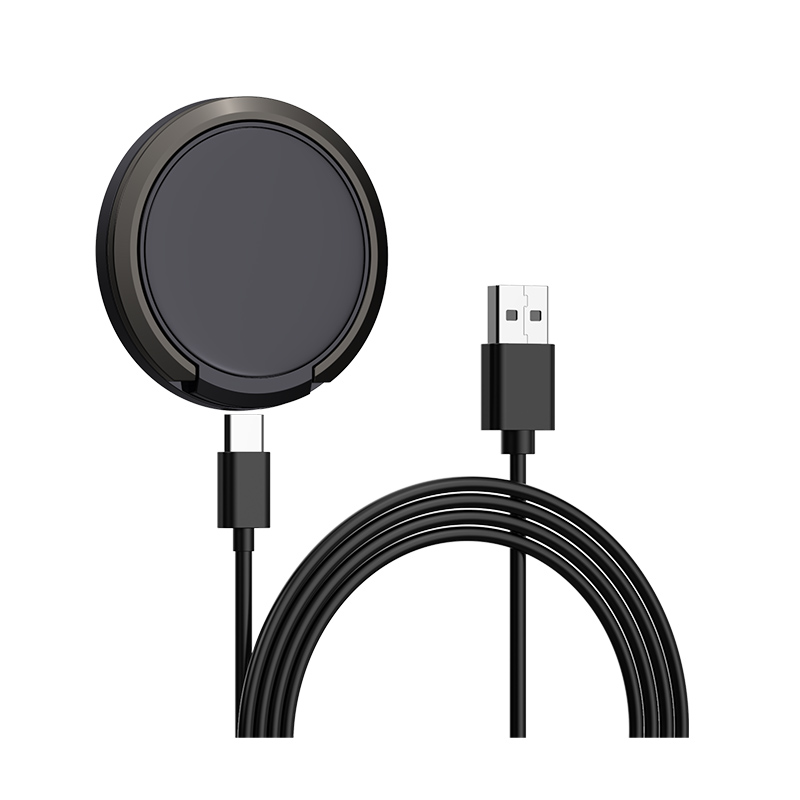
Customers say our magnetic wireless charger ‘won’t stick’ to their phone. Some say it’s weak, others say it doesn’t attach at all. What’s going on?
Short answer: Most often the phone or case has no magnet ring. iPhone 12 and later have built-in MagSafe magnets; Qi2 phones with the Magnetic Power Profile also include magnets; many Android phones don’t. A non-magnetic or thick case blocks or weakens the hold, while a magnetic case or adhesive ring adds it. Debris and misalignment also reduce hold. If a magnetic phone with no case doesn’t attach, report the unit.
Phones without magnets
Magnetic chargers attach to a ring of magnets in the phone or case. iPhones from the iPhone 12 series onward have them. Qi2 phones supporting the Magnetic Power Profile also include them, but many Android phones, including some with Qi charging, have no magnets. These phones will charge if placed correctly on some magnetic chargers but won’t be held.
Cases
- Non-magnetic cases: block or weaken the hold, even on MagSafe iPhones.
- Thick cases: distance weakens magnetic force.
- Magnetic cases: cases with a built-in magnet ring restore the hold.
- Adhesive rings: add magnets to phones without them; place carefully at the coil centre.
Debris and surface
Metal particles on the charger or case reduce contact. Clean with tape and a dry cloth after unplugging.
Weight and angle
Large phones with heavy cases on vertical stands are harder to hold. Car vents and stands with steep angles demand stronger hold than flat pads.
How to check
- Test with a MagSafe iPhone without a case.
- If it attaches firmly, the issue is the customer’s phone or case.
- If not, compare with another unit; a weak hold on a magnetic phone suggests a problem with that unit.
Telling customers
Add a line to listings: “Magnetic hold requires a phone with built-in magnets (e.g. iPhone 12 and later) or a magnetic case.” It sets expectations and reduces returns.
Car mounts
In cars, vibration and bumps test magnetic hold more than desks do. Heavy phones and cases, or rough roads, may need a mount with stronger magnets or a physical support.
Charging vs holding
A phone without magnets may still charge if placed centrally, but it can slip off-centre and stop charging. A magnetic case or ring solves both issues.
Confirm with Wecent the magnet strength and compatibility notes for each magnetic model before quoting specific phones in listings.
Where this answer says confirm with Wecent, the detail is not published on the product page and has to come from the datasheet or the factory. General facts come from the standards bodies, regulators or device makers named in the text.
Three more perspectives
Products discussed in this thread
Related articles & topics
Have a sourcing question about your own programme?
Ask our team More Wireless & magnetic faults questions