
OEM & ODM Charger Programmes
Some brands need their logo on a charger that already exists. Some need a form factor that does not exist yet. This guide covers how the three programme levels work, what each one changes, and what decides your unit cost.
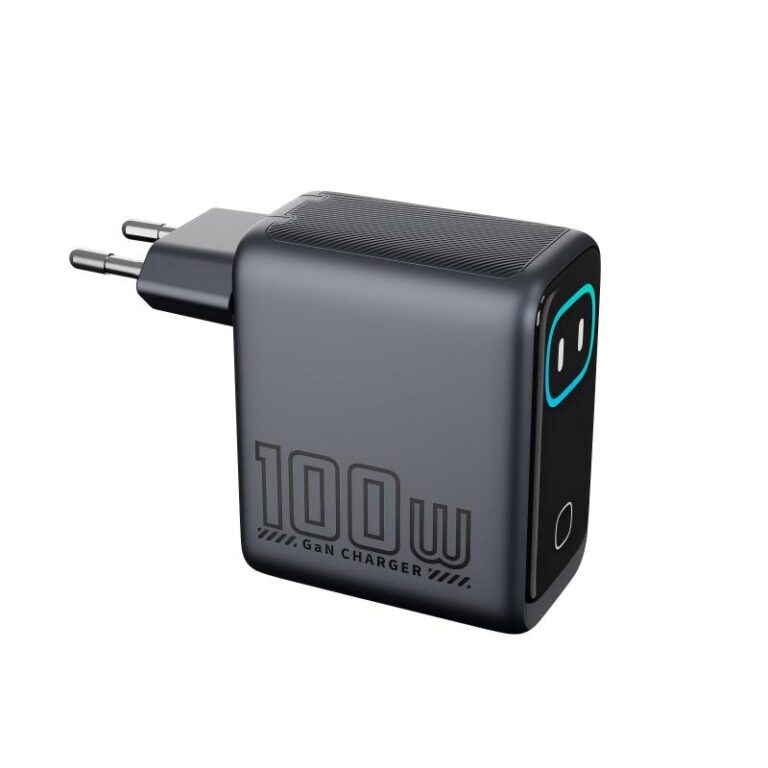
Three routes, and you only need one of them
Rebadging an existing charger, re-specifying a platform inside its tested limits, and co-developing something new are three different jobs with three different timelines. Start with the one you are actually doing.
Rebadge something that exists
Fastest route and the cheapest tooling. The working parts stay exactly as certified, so only what the customer sees changes.
Private label, but your own spec
You own the SKU, the branding and the packaging, and the product is built to your specification rather than picked off a shelf.
OEM / ODM and full custom
A new enclosure, a new port layout, or a platform built around your device list. Highest ceiling, longest timeline, most engineering.
What a programme can actually change
Almost every element is negotiable, but each one has a cost and a lead time attached to it. These are the four that come up in every kick-off call.
Power and ports
Output from 20W to 240W, single or multi-port layouts, USB-C only, USB-C plus USB-A, or a mixed hub. Moving within a platform is fast; moving to a new power stage is not.
Shell and finish
Colour, surface texture and printing method. This is where a rebadge programme starts to feel like a different product, and it is the cheapest lever you have.
Packaging and inserts
Retail box, sleeve, insert and carton layout. Packaging changes are usually the fastest way to make a private-label SKU look like yours.
What decides your unit cost and your MOQ
Unit price is rarely a single number. It is the sum of tooling amortisation, MOQ, component choice and packaging, and each one moves independently.
Tooling is a one-off, MOQ is a repeat
Tooling is paid once and amortised across the order; MOQ is what you commit to per batch. Mixing the two up is the most common budgeting error in a first charger programme.
Components decide the floor
The controller, the GaN stage and the connector set a floor under your unit price. Below it, the only way to hit a target is to change the specification — not to push the factory.
Packaging scales differently
Packaging cost barely moves with volume at low MOQ and then falls sharply. If your target price is tight, this is usually the last place to look and the first place to find room.
Protecting your brand and your design
The two questions that decide whether a custom programme is worth running: can you defend the design, and can you defend the name.
Search before you tool
A patent search before tooling costs a fraction of a redesign after tooling. It is worth running against the mechanism, the appearance and the connector geometry, not just the product name.
Register the name, then the packaging
Trademark clearance affects what can be printed on the shell and the box, and some markets will hold a shipment over a label that conflicts with an existing mark.
What actually decides which programme you end up in
Four factors settle the question before the first quotation is written.
How much of the product you own
A rebadge owns the logo. A private label owns the SKU. A full custom owns the mould. The programme level follows ownership, not budget.
Whether certification has to be redone
Changes inside a certified platform usually keep the existing approvals. A new power stage or connector layout usually does not.
Your annual volume against the MOQ
Tooling only pays back if the volume is there. Below the crossover point, re-specifying an existing platform beats tooling a new one.
How fast the first batch has to land
Samples in 2–3 days is only possible on a platform that already exists. New tooling is measured in weeks, and the schedule should be built backwards from the launch date.
Where to go from here
Four guides that pick up where this one stops.
Programme execution
RFQ to repeat order: sampling gates, tooling, spares and after-sales.
Open the guide →Factory and production
How to read capacity, platforms and manufacturing claims.
Open the guide →Quality and inspection
The gates that stop a bad batch reaching your warehouse.
Open the guide →Export and market entry
Certification, HS codes and what each market requires.
Open the guide →OEM and ODM programme questions
What is the difference between OEM and ODM for chargers?
In ODM, the factory owns the design and you brand it, so the platform already exists and tooling is minimal. In OEM, the product is built to your specification — often a new enclosure or port layout — so you carry the engineering and tooling. Many programmes sit between the two.
What is the minimum order quantity for a custom charger?
Rebadge and private-label programmes typically start around 200 pieces per SKU. Tooling a new enclosure raises the practical minimum, because the tooling cost has to amortise across the run. The MOQ is a commercial decision, not a technical limit.
How long does a custom charger programme take?
Pre-production samples on an existing platform take 2–3 days. A full custom programme runs longer, because tooling, sample approval and certification each take their own time. Plan the schedule backwards from the launch date rather than forwards from the kick-off.
Do certifications stay valid if I rebrand a charger?
Usually yes for a genuine rebadge, because the electrical design is unchanged — but the certificate and the label have to match the product and the brand actually shipped. Any change to the power stage or connector layout normally triggers re-testing for the affected markets.
Can you put our logo on an existing charger without tooling?
Yes. Printing, laser marking and UV printing all work on an existing shell, so a rebadge programme needs no new tooling at all. Tooling only becomes necessary when the enclosure itself changes shape.
Tell us the product and the market, and we will tell you which programme fits
Send your device list, target markets, target price and launch date. We will come back with the programme level that fits, the sampling timeline, and the certification work each market needs.