
Talk · Troubleshooting · Heat, noise & safety signs
Is it safe to cover a charging phone with a blanket or pillow?
It is best not to.
 Wecent Editorial Team
Updated
3 min read
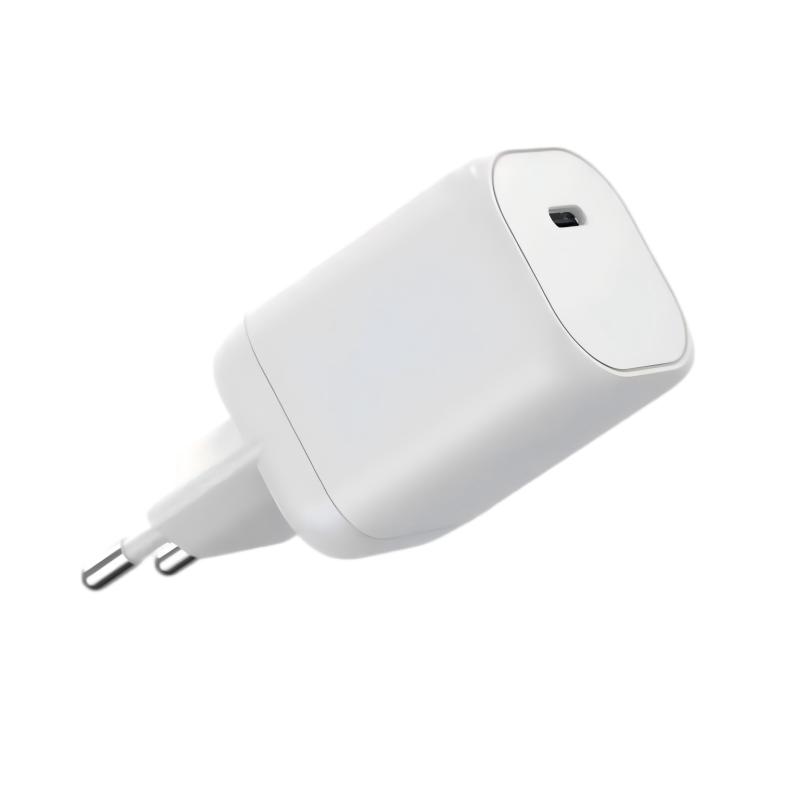
I charge my phone in bed and sometimes it ends up under the pillow or blanket. Is that dangerous, and what is a safer way to charge at night?
Short answer: It is best not to. Charging produces heat, and a pillow or blanket traps it around the phone and charger. That raises temperatures, can trigger the phone to slow or stop charging and, if a battery or charger fails, soft materials burn easily. Charge on a hard, flat surface in open air instead.
Why charging makes heat
Both the phone and the charger lose a little energy as heat while charging. The phone battery warms as it takes in charge, and fast charging produces more heat than slow charging. In open air the heat disperses without any trouble.
What bedding does
A pillow, blanket or duvet is insulation. It keeps the heat next to the phone and the charger, so temperatures climb higher and stay high for longer. Phones protect themselves by reducing the charging speed or stopping when they are too hot, which is why a covered phone may charge slowly or not reach 100 percent.
The fire risk
Lithium-ion batteries and chargers are safe when used as intended, but they can fail if they are damaged, faulty or overheated. If that happens in bed, flammable bedding makes the result much worse. State fire marshals advise charging devices on a flat, non-flammable surface, away from beds and exits, and unplugging when the device is full.
Safer overnight habits
- Charge on a hard surface such as a table or nightstand, not on the bed.
- Keep the phone and charger uncovered, with air around them.
- Use the charger and cable that came with the phone or an approved replacement.
- Replace frayed cables, bent plugs and swollen or hot batteries.
- Use the phone’s optimised charging setting if it has one, which slows the last part of the charge.
- If you wake and the phone or charger feels very hot, unplug it and stop using it.
What about wireless pads
Wireless chargers are also heat sources, and a phone on a pad under bedding has the same problem. Keep the pad on a hard surface, with the phone uncovered.
For brands
Include a short, plain warning in the quick-start guide not to cover the charger or phone during charging. It is cheap, helpful and shows care.
Sources checked on 24 Oct 2026: Oregon State Fire Marshal: Rechargeable battery safety.
Where this answer says to confirm with Wecent, the detail is not published on the product page and has to come from the datasheet or the factory. General facts come from the regulators, standards bodies or device makers named in the text.
Three more perspectives
Products discussed in this thread


Related articles & topics
Have a sourcing question about your own programme?
Ask our team More Heat, noise & safety signs questions