
Talk · Troubleshooting · Factory & QC failure analysis
Why does a retractable cable fail after a few hundred cycles?
A retractable cable flexes at the same points every time it is pulled and wound, so conductor fatigue near the reel or the connector is the most common cause.
 Wecent Editorial Team
Updated
3 min read
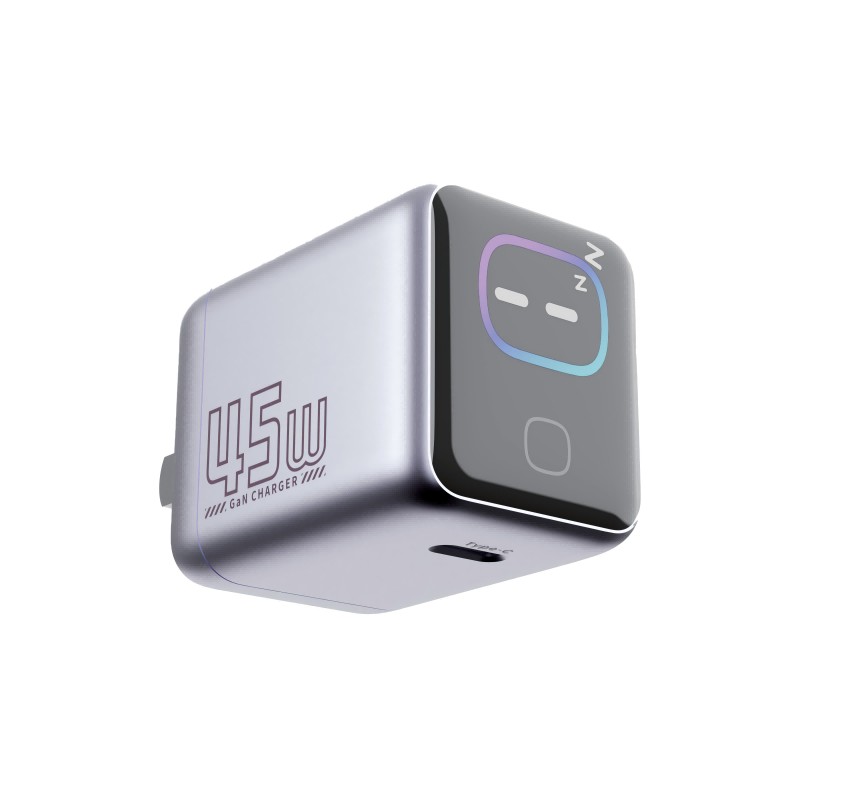
Our retractable-cable chargers are coming back with intermittent charging after a few months. The factory’s cycle test passed. Why does the cable fail, and what should we change?
Short answer: A retractable cable flexes at the same points every time it is pulled and wound, so conductor fatigue near the reel or the connector is the most common cause. A weak spring, a tight winding radius, poor strain relief or a thin conductor makes it worse. Specify the cycle test method and the pass criteria in detail, because a test that passes on paper can still miss the real failure.
Why retractable cables are harder than fixed ones
A normal cable bends in a few places and rests most of the time. A retractable cable is pulled out, locked, released and wound many times, often with a twist. Each cycle bends the conductors at the reel hub, at the exit guide and at the connector.
Common failure points
- Conductor fatigue. Fine copper strands crack after repeated bending, first causing an intermittent connection and then a break.
- Winding radius. A small hub forces a tight bend. A larger radius is gentler on the conductors.
- Connector end. The strain relief at the plug stiffens the cable, so the bending is pushed to the point just beyond it.
- Spring and latch. A weak spring winds the cable unevenly, and a strong one can snap it back with force.
- Jacket and shield. A stiff jacket resists winding and a soft one can scuff, exposing the conductor.
- Contact inside the reel. Some designs pass current through a sliding contact, which wears and adds resistance.
Why the factory test can still pass
The test may stop at a lower cycle count than real use, use a gentle pull speed or pull straight when customers twist. It may also check only that the charger still works, not whether resistance has risen. A passing result with a different method is not the same evidence.
What to specify
- Cycle count, pull length, speed and the angle or twist of the pull.
- Measurement of cable resistance before and after the test.
- Passing condition: no open circuit, no intermittent contact and a limit on resistance rise.
- Test samples taken from several production dates, not just the first.
What to ask for after a failure
Ask for cross-sections of failed cables, photographs of the break location and a comparison with a unit that passed. Corrective actions may include a larger hub radius, better conductor construction, a revised spring and a longer strain relief.
Consider the alternative
A retractable cable is convenient but adds risk. Ask whether a fixed short cable or a USB-C port would meet the customer’s need with fewer returns.
Where this answer says to confirm with Wecent, the detail is not published on the product page and has to come from the datasheet or the factory. General facts come from the regulators, standards bodies or device makers named in the text.
Three more perspectives
Products discussed in this thread
Related articles & topics
Have a sourcing question about your own programme?
Ask our team More Factory & QC failure analysis questions